
What's Happening?
Denmark is intensifying its military presence in Greenland in response to comments made by President Trump regarding a potential security framework involving the Arctic island. President Trump's remarks
at the World Economic Forum in Davos suggested discussions between the United States and NATO about Greenland's strategic role, which prompted a swift response from Danish and Greenlandic leaders. Denmark, which governs Greenland as a self-governing territory, has emphasized that any defense cooperation must adhere to its constitutional framework and existing NATO arrangements. The Danish Defense Ministry has confirmed plans to enhance military operations in Greenland and increase NATO's involvement in Arctic security. This move comes amid growing concerns over Russia's military activities in the Arctic and China's interest in the region.
Why It's Important?
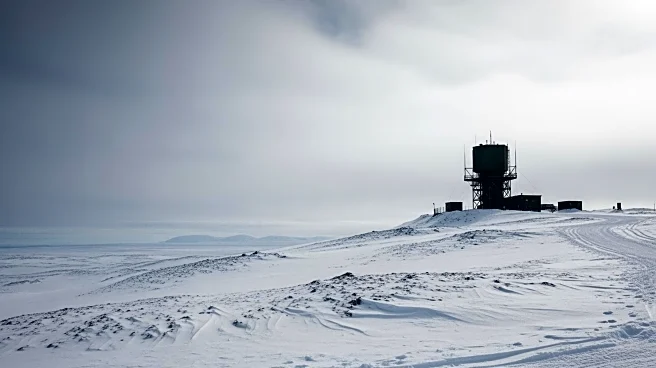
The situation underscores the strategic importance of Greenland in transatlantic defense, particularly as geopolitical tensions rise in the Arctic. Greenland's location is crucial for early-warning systems and space-tracking infrastructure that are integral to U.S. and NATO defense strategies. Denmark's decision to bolster its military presence and push for greater NATO involvement reflects a broader effort to counteract Russian and Chinese influence in the Arctic. This development could lead to increased military exercises and infrastructure investments in the region, potentially altering the balance of power and security dynamics in the High North. The emphasis on maintaining Greenland's sovereignty also highlights the delicate balance between national interests and international cooperation within NATO.
What's Next?
Denmark plans to continue strengthening its military capabilities in Greenland, with future NATO exercises and consultations expected to shape the alliance's Arctic strategy. The Danish government has committed to a $2.3 billion investment in Arctic defense, which includes enhancing surveillance and maritime patrol capabilities. As NATO deliberates on its Arctic posture, the focus will likely remain on interoperability and sustaining operations in extreme conditions. The ongoing dialogue between Denmark, Greenland, and NATO allies will be crucial in determining the future of Arctic security cooperation and ensuring that any changes respect existing sovereignty agreements.
Beyond the Headlines
The increased military focus on Greenland may have long-term implications for Arctic governance and international relations. As climate change opens new shipping routes and access to resources, the Arctic is becoming a focal point for geopolitical competition. Denmark's actions signal a commitment to safeguarding its interests while reinforcing NATO's role in the region. This could lead to a reevaluation of Arctic policies and a shift in how countries approach security and cooperation in the High North. The situation also raises questions about the balance between national sovereignty and collective defense responsibilities within NATO.