








What's Happening?
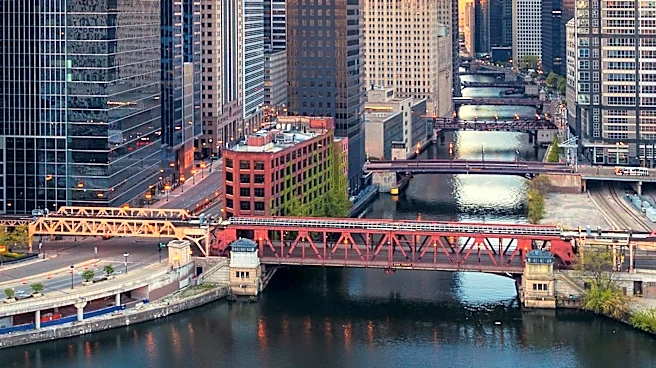
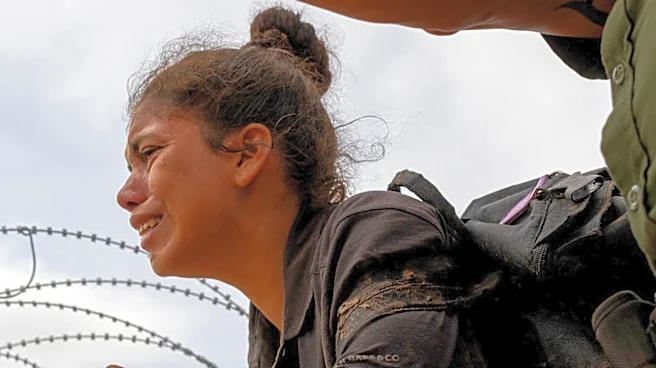
In 1982, the Wellington Avenue Church in Chicago became the second church in the United States to join the sanctuary movement, offering refuge to Central American refugees fleeing political repression and violence. This movement, rooted in the medieval
tradition of churches providing sanctuary, aimed to protect individuals denied asylum in the U.S. due to its support for the governments of El Salvador and Guatemala. The church's decision was part of a broader effort by about 20 Chicago-area churches in the 1980s to provide safe havens for refugees. The sanctuary movement highlighted the tension between U.S. immigration policies and humanitarian efforts by religious organizations.
Why It's Important?
The sanctuary movement represents a significant intersection of faith, politics, and human rights, challenging U.S. immigration policies and advocating for the protection of vulnerable populations. By providing sanctuary, churches like Wellington Avenue Church played a crucial role in raising awareness about the plight of Central American refugees and the broader issues of political repression and violence in their home countries. The movement also sparked debates about the role of religious institutions in political activism and their ability to influence public policy. The actions of these churches underscored the moral and ethical responsibilities of religious communities in addressing social justice issues.