





What's Happening?
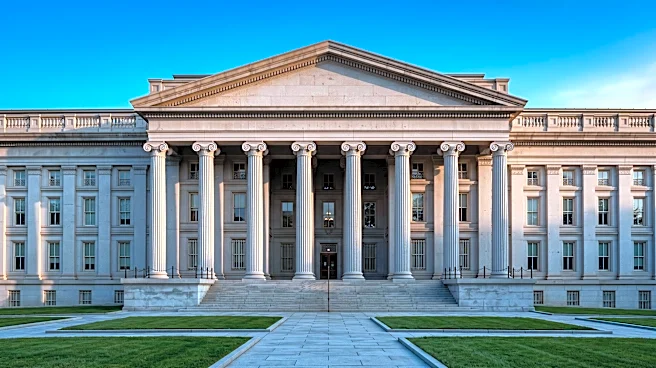
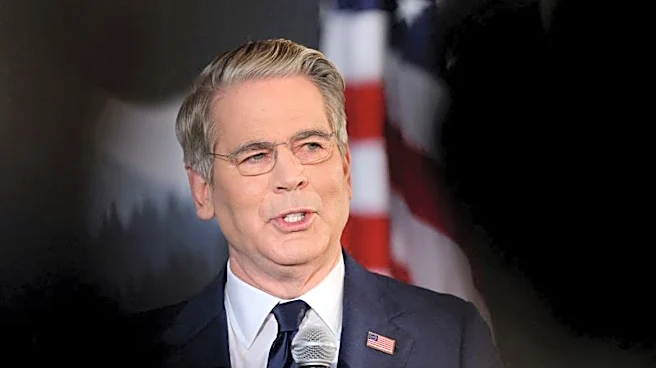
Scott Bessent, the U.S. Treasury Secretary under President Trump, has reportedly been limiting access for traditional financial media outlets while engaging with conservative media figures. According to Semafor, Bessent has ceased appearing on Bloomberg
Television, and some Bloomberg reporters claim they no longer receive certain press releases. Journalists from Bloomberg and The Wall Street Journal were also denied credentials for a G20 meeting. This comes after Bloomberg reported on Bessent's alleged 'principal residences,' an issue that had political implications given the administration's previous actions regarding Federal Reserve Governor Lisa Cook. In contrast, Bessent reportedly brought Jack Posobiec, a figure associated with the Pizzagate conspiracy theory, to Ukraine in February 2025. The Treasury Department attributed media access issues to 'plane retrofitting and assignment logistics,' while Bessent has been more accessible to streaming sites like 'Right Side Broadcasting,' Steve Bannon, and Fox News.
Why It's Important?
This development is significant as it highlights a growing trend of selective engagement with media by high-ranking government officials, potentially undermining traditional journalistic access and transparency. By favoring certain media outlets and personalities, the Treasury Secretary could be shaping public perception and controlling the narrative around critical financial and economic policies. The exclusion of major financial news organizations from key events and information access could hinder comprehensive reporting and analysis of economic matters, impacting market transparency and public understanding. Furthermore, the association with figures like Jack Posobiec, known for promoting conspiracy theories, raises concerns about the credibility and information sources influencing government officials and public discourse. This shift in media strategy could have long-term implications for the relationship between the U.S. government and the press, particularly during times of economic uncertainty.
What's Next?
The strained relationship between Treasury Secretary Bessent and traditional financial media is likely to continue, potentially leading to further restrictions on access for certain journalists. This could prompt media organizations to explore alternative methods for obtaining information and holding officials accountable. The preference for conservative and alternative media platforms by government officials may become a more entrenched practice, influencing how information is disseminated and consumed by the public. This situation could also intensify debates about media bias, journalistic ethics, and the role of government in controlling information flow. Stakeholders, including financial markets and the public, may need to diversify their news sources to gain a comprehensive understanding of economic policies and their implications, as official communications become more curated.
Beyond the Headlines
The selective media engagement by Treasury Secretary Bessent points to a deeper ideological battle over information control and narrative shaping. In an era of increasing political polarization, the deliberate choice to bypass established financial news outlets in favor of ideologically aligned platforms suggests an effort to communicate directly with a specific base, potentially bypassing critical scrutiny. This strategy can erode public trust in mainstream institutions and foster an environment where factual reporting is challenged by partisan narratives. The involvement of figures like Jack Posobiec further blurs the lines between legitimate government communication and partisan advocacy, raising questions about the integrity of information reaching the public. This trend could contribute to a more fragmented media landscape, where different segments of the population receive vastly different accounts of government actions and economic realities, making informed public discourse more challenging.