


What's Happening?
Recent research has demonstrated that psilocybin, a compound derived from magic mushrooms, may have the ability to rewire brain circuits associated with depression. The study, led by biomedical engineer Quan Jiang, utilized an engineered rabies virus
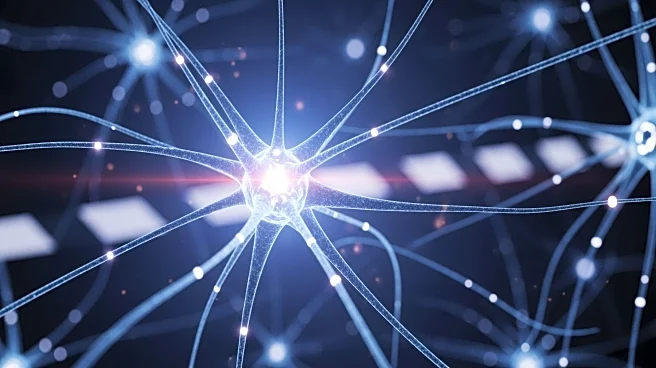
to track changes in brain connections in mice. The findings revealed that psilocybin could reduce negative thought feedback loops by altering connectivity within the cortex, a region of the brain involved in sensory processing and action. This research builds on previous studies from 2021, which showed that psilocybin could reshape brain connections, though the mechanisms were not fully understood at the time. The current study suggests that psilocybin's effects on brain connectivity could be targeted using neuromodulation techniques, such as magnetic stimulation, to enhance its therapeutic potential.
Why It's Important?
The significance of this research lies in its potential to offer new treatment avenues for depression, a condition affecting over 300 million people globally. Current antidepressant treatments often have limited efficacy and can cause challenging side effects, prompting the search for alternative therapies. Psilocybin's ability to disrupt depressive thought patterns by rewiring brain circuits presents a promising option. If these findings can be replicated in humans, psilocybin could become a valuable tool in mental health treatment, potentially reducing the burden of depression and improving quality of life for many individuals. Furthermore, the study opens up possibilities for combining psychedelics with neuromodulation to precisely target and modify specific brain circuits, enhancing therapeutic outcomes.
What's Next?
The next steps involve confirming these findings in human studies, as results from animal models do not always translate directly to humans. Researchers are likely to explore clinical trials to assess the safety and efficacy of psilocybin in treating depression in humans. Additionally, further investigation into the combination of psilocybin with neuromodulation techniques could refine treatment protocols and optimize outcomes. As the scientific community continues to explore the therapeutic potential of psychedelics, regulatory bodies may also need to consider policy changes to facilitate research and potential medical use.