







What's Happening?
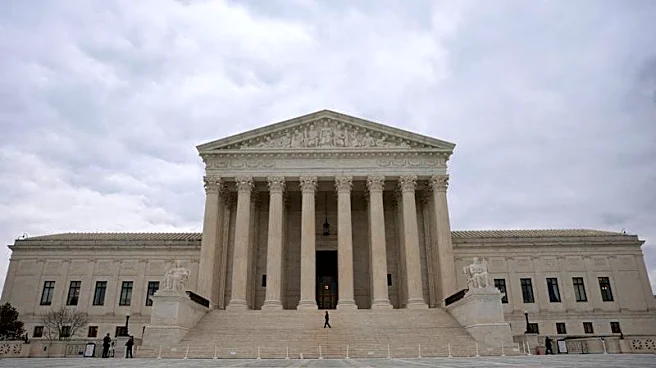
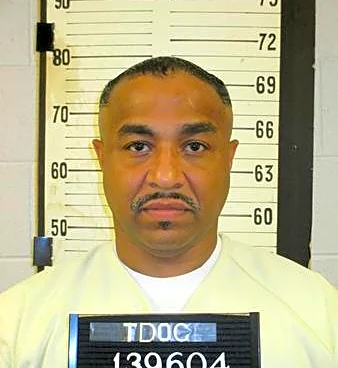
The U.S. Supreme Court has dismissed a case concerning the death penalty and mental disabilities, specifically involving Joseph Clifton Smith. The case was dismissed on procedural grounds, as reported by Justin Jouvenal of The Washington Post. Smith's
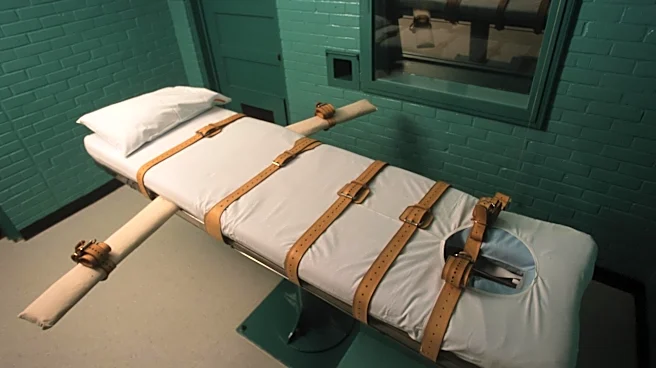
mental faculties were argued to be on the threshold of sparing him from the death penalty, but the court's decision did not address the substantive issues of mental disability in capital punishment. This dismissal highlights ongoing legal debates about the application of the death penalty to individuals with mental disabilities, a contentious issue in the U.S. legal system.
Why It's Important?
The dismissal of this case underscores the complexities and procedural hurdles in addressing the intersection of mental health and capital punishment. It raises significant concerns about the rights of individuals with mental disabilities within the justice system. The decision not to engage with the substantive issues leaves unresolved questions about how mental disabilities should influence death penalty eligibility. This has implications for future cases and the broader legal standards governing capital punishment, potentially affecting numerous individuals on death row with similar mental health claims.
What's Next?
The dismissal on procedural grounds suggests that similar cases may continue to arise, prompting further legal challenges and potential legislative action. Advocates for mental health rights and legal reform may push for clearer guidelines and protections for individuals with mental disabilities facing the death penalty. The decision could also influence public and political discourse on the fairness and ethics of capital punishment, particularly concerning vulnerable populations.