






What's Happening?
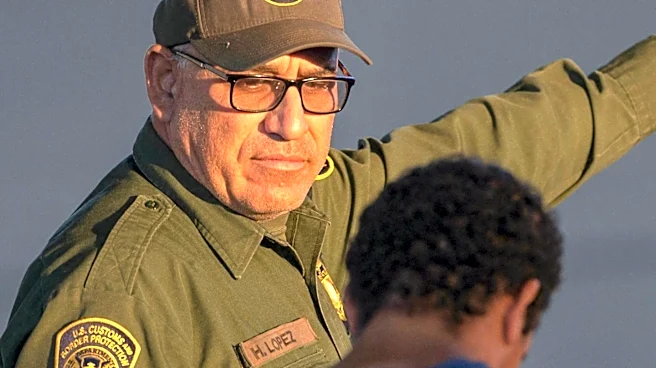
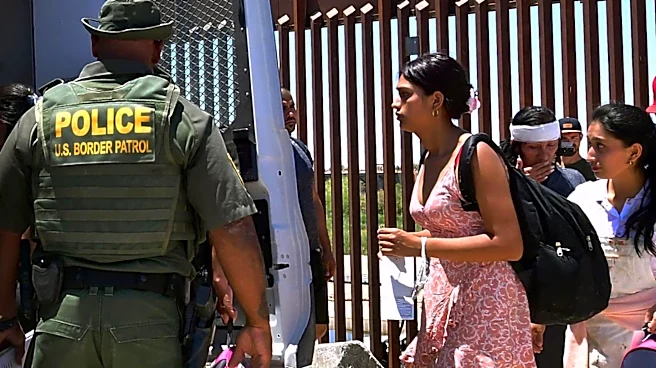
Minneapolis Mayor Jacob Frey has voiced opposition to federal immigration crackdowns, which have significantly impacted the local economy. The Department of Homeland Security's operations in Minneapolis, similar to those in Chicago, have led to substantial
economic losses. A report from the City of Minneapolis estimates nearly $700 million in lost economic activity, including $445 million in lost business revenue and $152 million in lost wages. The operations, part of a broader federal immigration enforcement strategy, have been criticized for their chaotic nature and the strain they place on local resources. The federal government has spent millions on these operations, which have also resulted in legal challenges from state and local governments.
Why It's Important?
The economic impact of these federal immigration crackdowns is significant, affecting not only immigrant communities but also the broader local economy. Businesses in sectors like hospitality and arts have suffered due to decreased consumer activity and increased absenteeism. The operations have also strained local law enforcement and legal resources, as cities like Minneapolis and Chicago have had to respond to federal actions that often outnumber local police forces. The broader implications include potential long-term economic downturns in affected areas and increased tension between federal and local governments over immigration policy.
What's Next?
As the federal government continues its immigration enforcement agenda, local governments may pursue further legal action to protect their economies and communities. The ongoing economic fallout could prompt more cities to challenge federal policies, potentially leading to changes in how immigration enforcement is conducted. Additionally, the economic data from these operations may influence future policy decisions at both the federal and local levels.