







What's Happening?
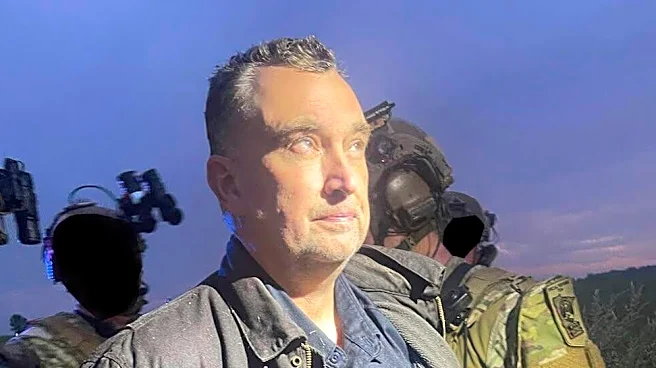
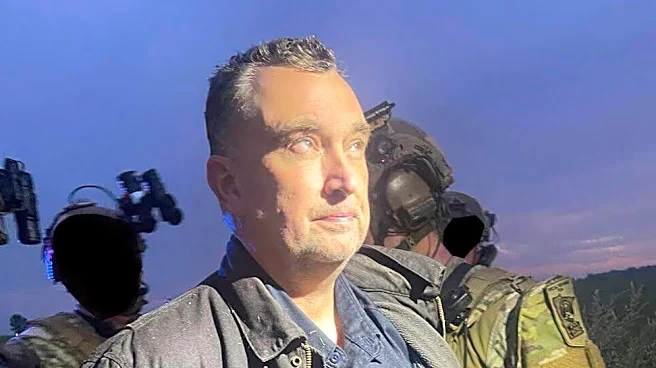
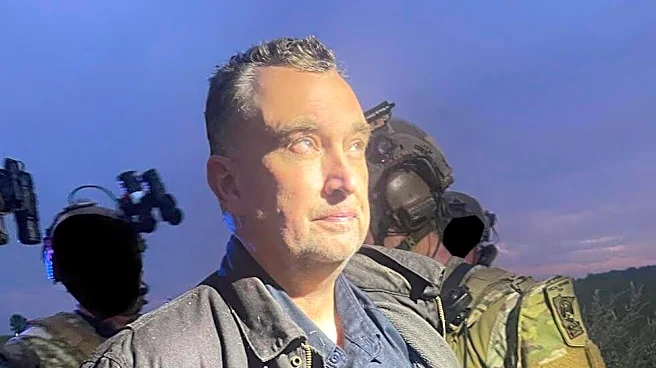
Vance Boelter has been sentenced to two life terms plus 40 years in prison for the murder of former Minnesota House Speaker Melissa Hortman and her husband, as well as the attempted murder of Senator John Hoffman and his family. The sentencing follows
Boelter's guilty plea to six federal charges, including the politically motivated shootings that occurred in June 2025. The U.S. Department of Justice decided not to pursue the death penalty, citing legal and evidentiary challenges. The attacks led to a 43-hour manhunt and have had a profound impact on the victims' families and the Minnesota political community.
Why It's Important?
This case highlights the severe consequences of politically motivated violence and its impact on public servants and their families. The sentencing serves as a reminder of the risks faced by lawmakers and the potential for such acts to disrupt political processes and personal lives. The decision not to seek the death penalty, despite the severity of the crimes, underscores the complexities involved in capital punishment cases. The incident has prompted legislative tributes and security reassessments, reflecting the broader societal implications of ensuring safety for public officials.
What's Next?
The Hennepin County Attorney's Office plans to pursue state charges against Boelter, including multiple counts of murder and attempted murder. The Hoffman family has filed a civil lawsuit against Boelter, seeking damages for the emotional and physical harm caused. The Minnesota political community continues to grapple with the aftermath, with increased security measures and ongoing tributes to the victims. The case may influence future discussions on the security of public officials and the legal considerations surrounding capital punishment.
Beyond the Headlines
The case raises questions about the role of media in shaping public perception of gun violence and the responsibilities of the justice system in addressing politically motivated crimes. The emotional testimonies from the victims' families highlight the long-term psychological impact of such violence. The incident also prompts a reevaluation of the balance between justice and legal constraints in capital punishment decisions, potentially influencing future policy and legal frameworks.