
What's Happening?
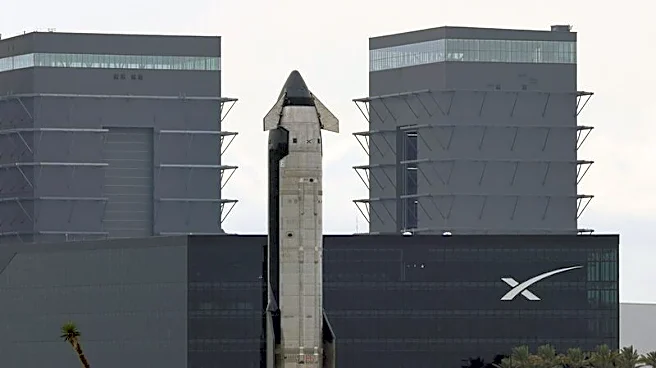
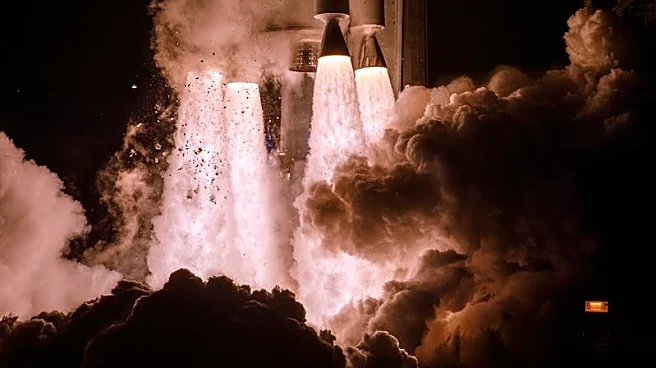
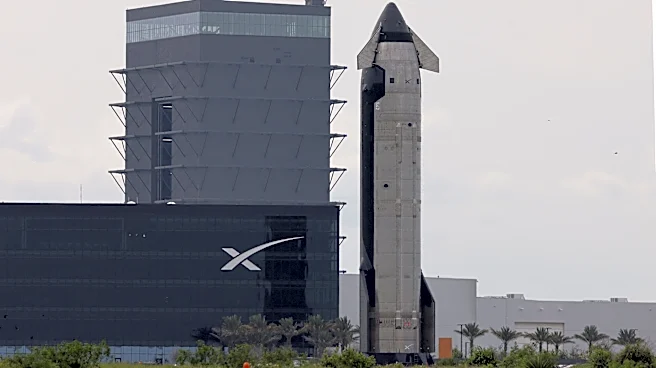
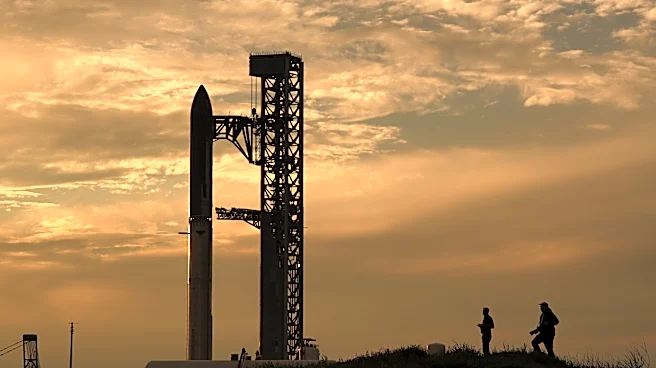
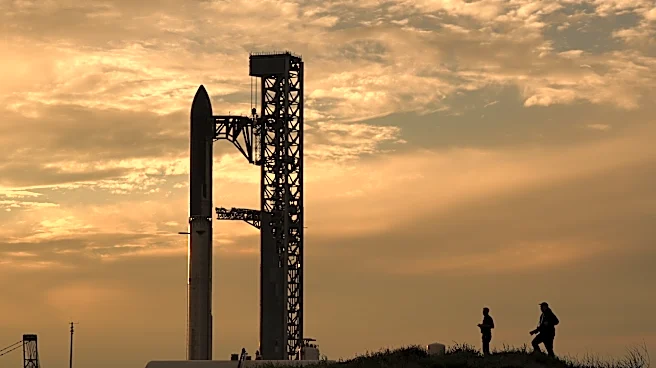
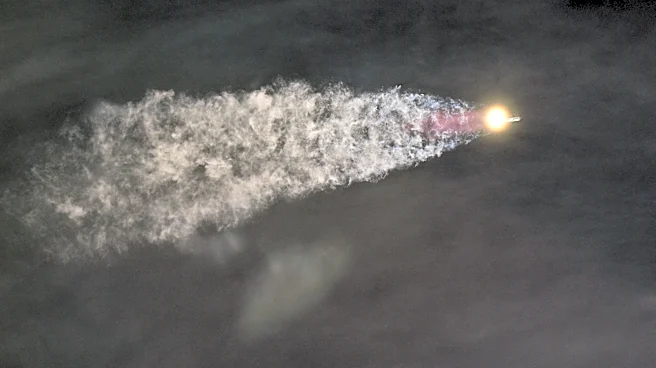
SpaceX's latest Starship test flight, Flight 15, saw its first-stage booster explode in the Gulf of Mexico after an aborted recovery attempt. The booster was intentionally diverted offshore following liftoff
from Starbase, Texas, instead of returning to the launch pad for a planned 'catch' by mechanical arms. Despite this setback, the Starship spacecraft successfully continued its trajectory into orbit, marking its boldest test yet. Shortly after reaching orbit, the Starship deployed 26 of SpaceX's advanced Starlink satellites. The spacecraft is scheduled to complete 15 laps around the world at an altitude of approximately 170 miles (275 kilometers) before attempting to return to the launch site for a mid-air capture on Saturday. This mission aimed for the first-ever 'double catch' of both the booster and the spacecraft, a critical step towards fully reusable rocket systems. SpaceX launch commentator Kate Tice acknowledged the unexpected outcome for the booster, stating it was not the hoped-for news, but emphasized adherence to safety checks.
Why It's Important?
This Starship test flight is crucial for SpaceX's long-term ambitions, particularly its goal of developing fully reusable rocket systems. The ability to recover and reuse both stages of the Starship is considered the 'Holy Grail' of the space industry, as it promises to drastically reduce launch costs and enable frequent missions. Such reusability is essential for Elon Musk's vision of building moon bases and sending people to Mars. The successful orbital insertion and satellite deployment, despite the booster's loss, demonstrate significant progress in the Starship's operational capabilities. The deployment of 26 Starlink V3 satellites further expands SpaceX's Starlink internet service, a major revenue stream for the company. The Starship's success is also vital for NASA's Artemis program, which relies on Starship to land astronauts on the Moon. The challenges encountered, such as the booster explosion, highlight the complexities of advanced rocket recovery and the 'fail fast' strategy employed by SpaceX to learn and iterate on its designs.
What's Next?
The Starship spacecraft, currently in orbit, is scheduled to attempt a return to the launch pad on Saturday for its first-ever mid-air capture by mechanical arms. This maneuver, if successful, would be a significant milestone for SpaceX, demonstrating the spacecraft's reusability. SpaceX plans to start launching Starships from Florida within a few months and from Louisiana in a few years, indicating a rapid expansion of its launch infrastructure. The company aims for Starships to eventually replace its smaller Falcon rockets, which are currently used for carrying astronauts to the International Space Station and deploying Starlink satellites. NASA is closely watching Starship's development, as it is paying SpaceX billions of dollars to use Starships for landing Artemis astronauts on the Moon. A decision on whether to use Starship or Jeff Bezos' Blue Moon for the Artemis IV lunar landing is expected a year before the mission, which is slated for no sooner than 2028.
Beyond the Headlines
The pursuit of fully reusable rocket systems, exemplified by Starship, represents a paradigm shift in space exploration and commercial spaceflight. The 'double catch' attempt, even with the booster's failure, underscores the engineering challenges and innovative approaches SpaceX is undertaking. The long-term implications extend beyond cost reduction, potentially enabling unprecedented rates of launch and access to space. This could accelerate the establishment of off-world infrastructure, such as moon bases, and facilitate human missions to Mars. The integration of Starship into NASA's Artemis program highlights the growing reliance of national space agencies on private sector innovation. The 'fail fast' philosophy, while leading to visible setbacks like the booster explosion, is a core tenet of rapid technological development, allowing for quick learning and iteration in complex engineering projects. This approach could redefine the pace of progress in space technology and its applications.