









What's Happening?
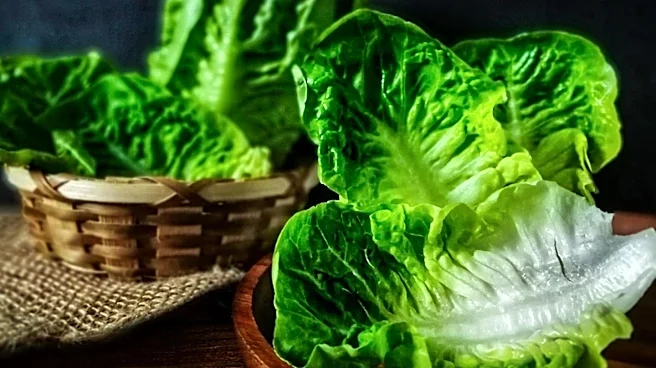
The Centers for Disease Control and Prevention (CDC) has identified a significant outbreak of cyclosporiasis, a parasitic illness causing severe diarrhea, linked to contaminated iceberg lettuce. This outbreak, the largest in recent years, has affected
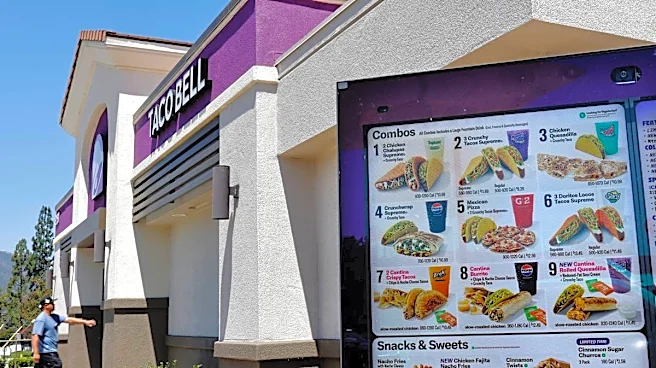
several states, including Michigan, Indiana, Ohio, West Virginia, and Kentucky. The U.S. Food and Drug Administration (FDA) traced the contamination to a single supplier in Mexico, with the lettuce being used by Taco Bell in these states. In response, Taco Bell has voluntarily removed certain ingredients from select restaurants as a precaution. Cyclosporiasis is caused by the cyclospora parasite, which spreads through contact with human feces and contaminates produce and water. Symptoms can persist for weeks if untreated, and the illness is treated with antibiotics. Public health officials recommend avoiding potentially contaminated foods and thoroughly washing produce.
Why It's Important?
This outbreak highlights the vulnerabilities in the food supply chain, particularly concerning imported produce. The impact is significant for public health, as cyclosporiasis can lead to prolonged illness, especially in vulnerable populations such as young children, older adults, pregnant women, and immunocompromised individuals. The economic implications are also notable, as food recalls and restaurant ingredient removals can affect businesses financially. Additionally, the outbreak underscores the importance of stringent food safety measures and monitoring to prevent such occurrences. The situation calls for increased vigilance among consumers and food industry stakeholders to ensure food safety and protect public health.
What's Next?
The CDC and FDA are likely to continue their investigation to prevent further spread and identify any additional sources of contamination. Taco Bell and other affected businesses may face increased scrutiny and potential financial losses due to ingredient removals and decreased consumer confidence. Public health officials will likely issue further guidance on safe food handling practices and may recommend additional recalls if necessary. Consumers are advised to stay informed about food recalls and practice safe food handling to minimize the risk of infection.