


What's Happening?
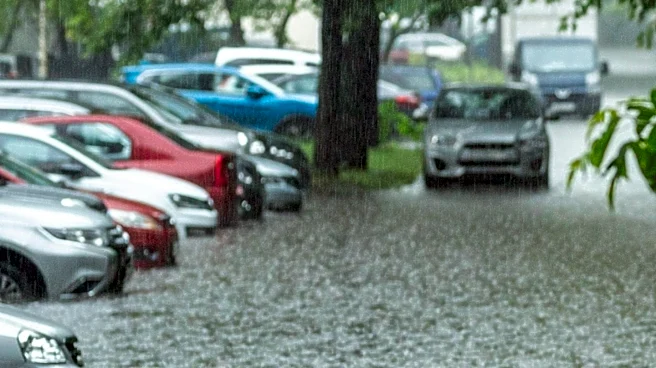
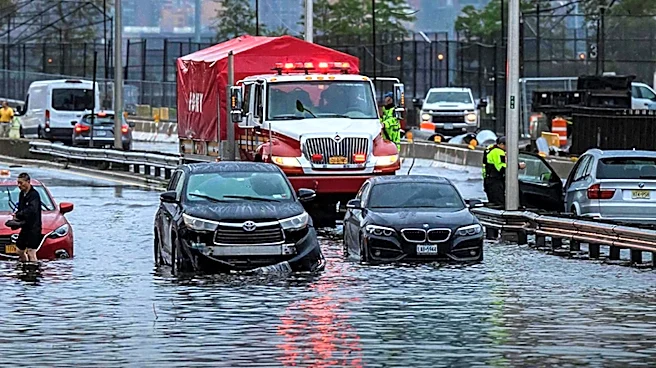
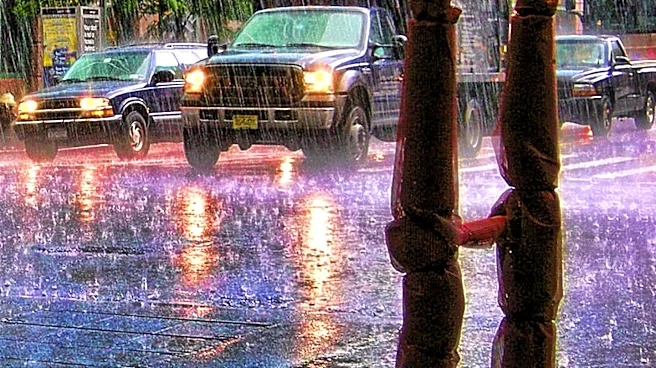
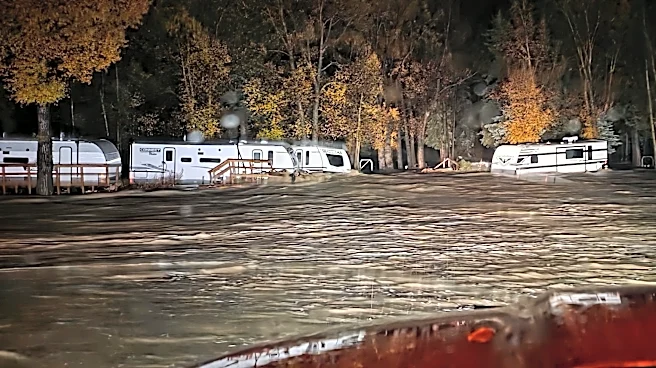
Pima County, Arizona, is grappling with the aftermath of historic rainfall that occurred over the weekend, continuing into Monday, November 2. Roads remain closed, and washes are still running due to runoff from the Catalina Mountains. According to 13
First Alert Chief Meteorologist Erin Christiansen, the rainfall totals are highly unusual for the region, with November experiencing nearly triple the typical monthly rainfall in just a day and a half. This unprecedented weather event, occurring months after the monsoon season ended, is primarily attributed to El Niño, which brings more troughs, storms, and tropical moisture to the southern tier states. The City of Tucson Department of Transportation and Mobility, represented by Rachel Hutchinson, has indicated that cleanup efforts will continue for at least two weeks, focusing on clearing debris from washes and ensuring roadways are safe for travel. Residents are urged to avoid flooded areas due to unknown water levels and road conditions.
Why It's Important?
The historic rainfall in Pima County carries significant implications for local infrastructure, public safety, and daily life. The extensive road closures disrupt transportation and commerce, impacting residents' ability to commute and businesses' operations. The prolonged cleanup efforts, expected to last at least two weeks, will require substantial resources from both the City of Tucson and Pima County, diverting funds and personnel. The warning against driving through flooded areas highlights a critical public safety concern, as such conditions can lead to dangerous situations and potential fatalities, as evidenced by past incidents. Furthermore, the attribution of this unusual weather pattern to El Niño underscores the broader impact of climate phenomena on regional weather, suggesting a potential for more frequent and intense rainfall events in the future, which could necessitate long-term adjustments to urban planning and infrastructure resilience in the area.
What's Next?
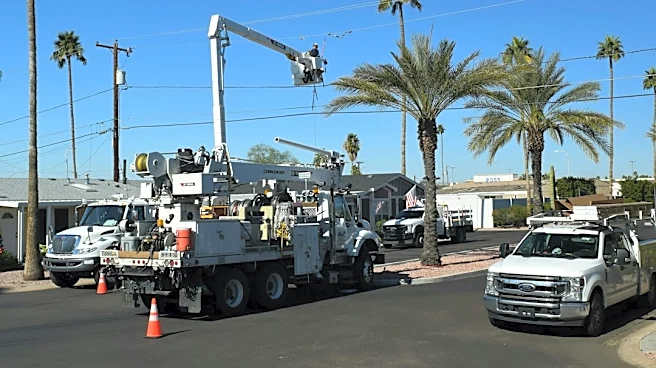
Cleanup operations in Pima County are expected to continue for at least the next two weeks, with crews from the City of Tucson Department of Transportation and Mobility focusing on clearing debris from washes and roadways. Residents are advised to remain vigilant regarding road closures, potential potholes, and packed sand left by the storms. Authorities are urging the public to prioritize safety by not attempting to drive through flooded areas, emphasizing the 'turn around and don’t drown' message. Pima County is also actively involved in cleanup efforts, and residents can report problem areas through the See Click Fix portal or by calling 520-724-6410. For issues within Tucson city limits, reports can be made by calling 311 or online. The ongoing impact of El Niño suggests that the region may continue to experience more opportunities for rain and tropical systems, potentially leading to further weather-related challenges.
Beyond the Headlines
The historic rainfall in Pima County, while immediately impacting infrastructure and public safety, also highlights deeper environmental and societal considerations. The unusual timing and intensity of the rainfall, occurring outside the typical monsoon season and attributed to El Niño, underscore the increasing unpredictability of weather patterns. This could prompt a reevaluation of existing flood control measures and urban drainage systems, potentially leading to significant investments in climate-resilient infrastructure. The repeated warnings about driving through flooded areas also point to a persistent challenge in public awareness and adherence to safety guidelines during extreme weather events. This situation may encourage local authorities to enhance public education campaigns on flood safety and emergency preparedness. Furthermore, the event could spark broader discussions about the long-term effects of climate change on arid regions like Southern Arizona, potentially influencing future land use planning and water management strategies to adapt to more frequent and intense precipitation events.