




What's Happening?
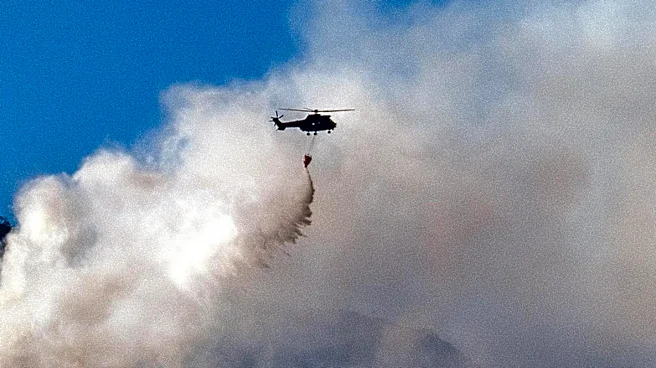
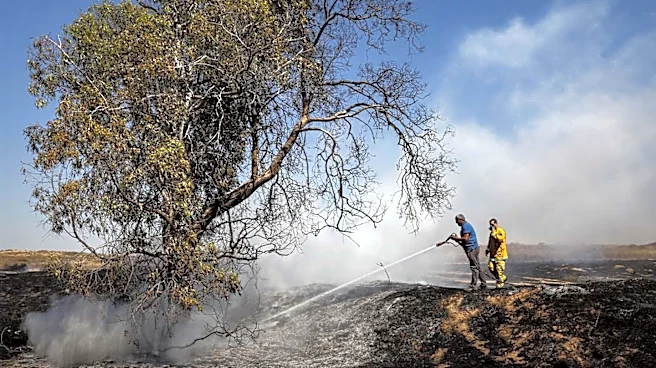
Idaho Governor Brad Little, alongside U.S. Forest Service Chief Tom Schultz, has raised concerns about the severe strain on firefighting resources due to the ongoing wildfire crisis in the Western United States. The region is experiencing hazardous conditions
characterized by hot weather, dry winds, low humidity, and tinder-dry brush, which have significantly increased the demand on firefighters and equipment. The situation is exacerbated by the fact that Western wildfires have become more widespread in recent decades, with many major and destructive blazes occurring, particularly in California. The August Complex fire in 2020, which consumed over 1 million acres, is a notable example of the increasing severity of these wildfires. As of the recent weekend, the National Interagency Fire Center reported nearly 46,000 fires in the U.S. since the beginning of the year, marking the highest number in the last decade.
Why It's Important?
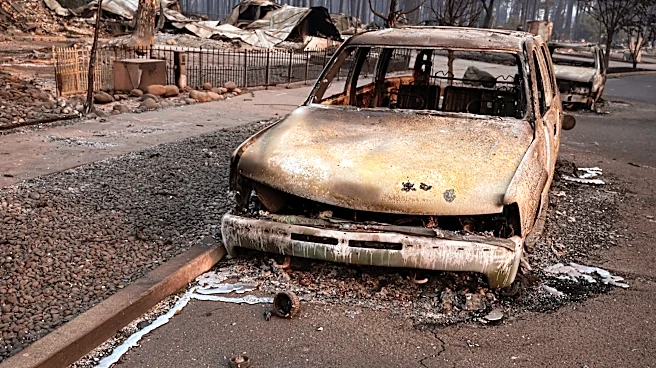
The ongoing wildfire crisis poses significant challenges to public safety, environmental health, and economic stability in the affected regions. The strain on firefighting resources highlights the urgent need for effective management and allocation of these resources to prevent further devastation. The widespread nature of these fires threatens homes, infrastructure, and natural habitats, leading to potential long-term ecological damage. Additionally, the economic impact is substantial, with costs associated with firefighting efforts, property damage, and potential disruptions to local economies. The situation underscores the importance of addressing climate-related factors contributing to the increased frequency and intensity of wildfires, as well as the need for comprehensive fire prevention and management strategies.
What's Next?
Looking ahead, the continuation of dry conditions and the presence of a strong high-pressure system suggest that the wildfire threat will persist in the coming weeks. The strengthening El Niño phenomenon could further influence weather patterns, potentially leading to more extreme conditions. This situation calls for coordinated efforts among state and federal agencies to enhance firefighting capabilities and implement preventive measures. Public awareness and adherence to fire restrictions are crucial in mitigating human-caused fires. The development of long-term strategies to address climate change and its impact on wildfire frequency and intensity will be essential in reducing future risks.