




What's Happening?
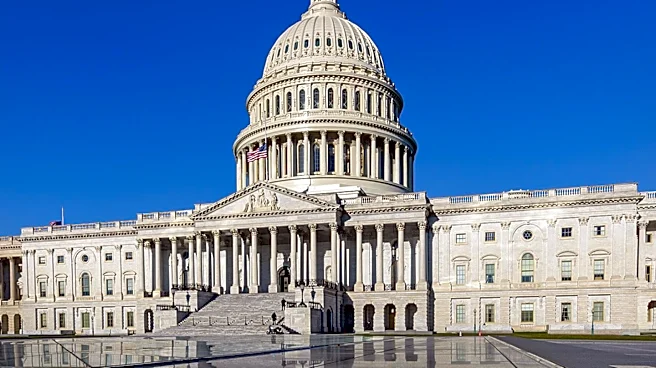
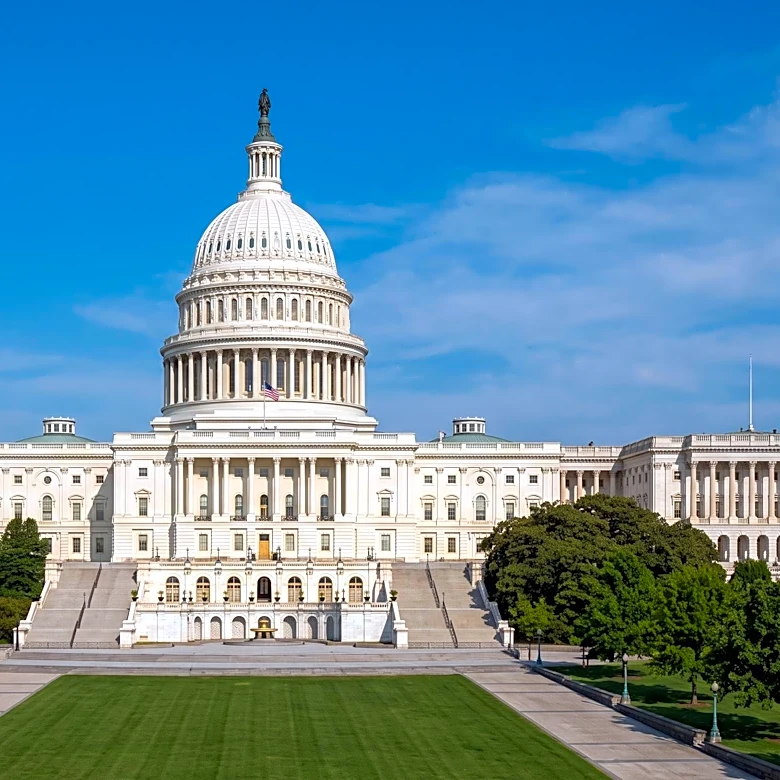
Congress has approved a continuing resolution that extends federal funding levels and, for now, halts the implementation of proposed changes by the White House Office of Management and Budget (OMB) to federal grant rules. These proposed changes would
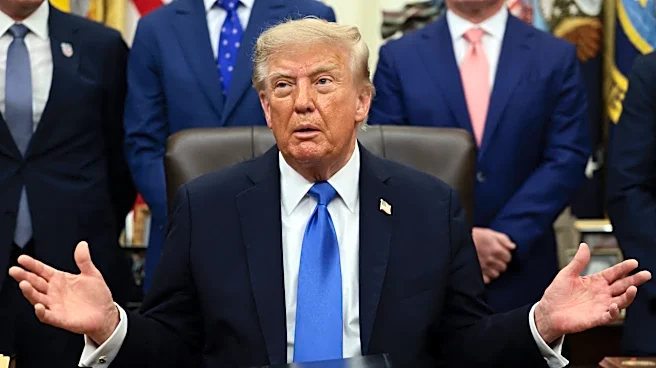
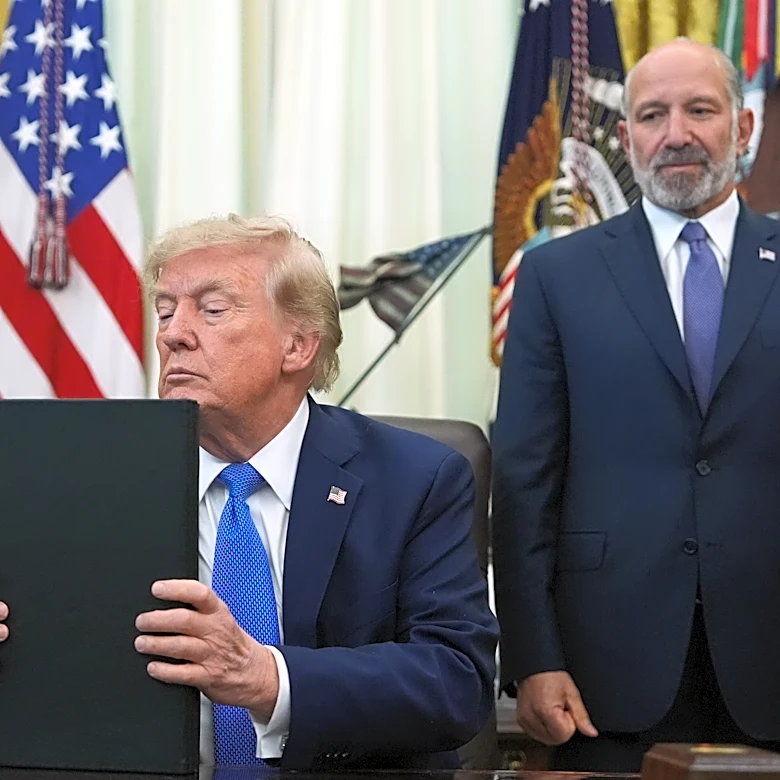
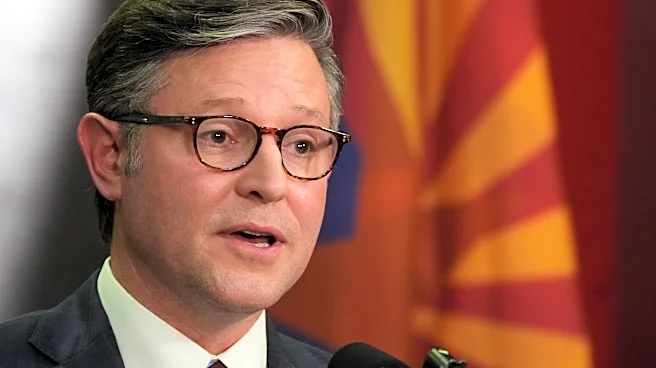
grant executive branch political appointees significant power over the awarding and cancellation of billions of dollars in federal funds, including competitive education grants. The resolution, passed by the House with a 370-48 vote and previously approved by the Senate, carries over fiscal year 2026 funding into the first two months of fiscal year 2027. President Trump has indicated his support for the measure. The delay means that the OMB is barred from finalizing the controversial rule until at least December 11. Education advocates, elected Democrats, and some Republicans, including Senator Susan Collins, R-Maine, have fiercely opposed these changes. Nearly half a million public comments were submitted regarding OMB’s proposed regulations, which the Trump administration is legally required to address before the rule can take effect. This congressional action averts a potential government shutdown and provides a temporary reprieve from the proposed grant reforms.
Why It's Important?
This congressional action is significant for several reasons. Firstly, it temporarily prevents a major shift in how federal grants are allocated, which could have profound implications for various sectors, particularly education. The proposed changes by the OMB would centralize power within the executive branch, potentially politicizing the distribution of federal funds. This could lead to a less equitable and more ideologically driven allocation of resources, impacting school districts, research institutions, and other entities reliant on federal grants. The opposition from a broad coalition, including education advocates and bipartisan lawmakers, underscores the widespread concern about the potential for abuse of power and the disruption of established grantmaking processes. The delay also highlights ongoing tensions between the executive and legislative branches regarding fiscal policy and the oversight of federal spending. Furthermore, the resolution averts a government shutdown, which would have had immediate and detrimental effects on federal employees, services, and the broader economy, as seen in previous shutdowns where thousands of federal employees were furloughed and critical services were disrupted.
What's Next?
With the continuing resolution in effect, education advocates and other stakeholders will need to wait until at least mid-December to understand the future of federal funding for the 2027-28 school year and the fate of the OMB's proposed grant rule changes. The Trump administration is legally obligated to respond to the nearly half a million public comments received on the proposed regulations before any final rule can be implemented. While the OMB's changes are on hold, the Education Department and other agencies are continuing to advance their own proposals for grantmaking reform, which are not affected by this resolution. Congress will resume full-year budget negotiations in December, a process that has historically extended into February or March. The outcome of these negotiations will determine not only the final funding levels but also whether the controversial OMB grant rule changes will be revisited or permanently shelved. The political landscape leading up to December, including potential shifts in congressional priorities, will heavily influence these decisions.
Beyond the Headlines
The debate over the OMB's proposed grant rule changes touches upon deeper issues concerning the balance of power within the federal government and the integrity of federal funding mechanisms. Granting unprecedented power to political appointees in awarding and canceling federal funds raises questions about transparency, accountability, and the potential for partisan influence in decisions that should ideally be merit-based. This move could set a precedent for future administrations to exert greater political control over various federal programs, potentially undermining the expertise of career civil servants and the established processes designed to ensure fair and effective allocation of resources. The strong bipartisan opposition to these changes suggests a broader concern about executive overreach and the erosion of checks and balances. The long-term implications could include a more politicized federal bureaucracy, reduced trust in government institutions, and a chilling effect on organizations that rely on federal funding but fear political repercussions. This situation also highlights the ongoing struggle between administrative efficiency and democratic accountability in federal governance.