




What's Happening?
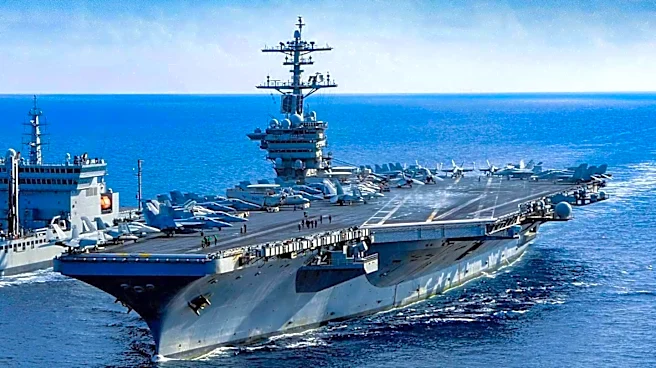
Iran's military has issued a new threat of retaliation against American military bases located in the Middle East. This development comes as President Trump has warned of the possibility of new U.S. strikes. The situation indicates an escalation of tensions
between the two nations, with both sides signaling potential military action. The specific nature of Iran's threatened retaliation was not detailed, but it targets American military installations in the region. This follows a period of heightened rhetoric and actions, suggesting a volatile geopolitical climate in the Middle East. The report from NBC News' Matt Bradley in Jerusalem highlights the ongoing concerns and the potential for further conflict.
Why It's Important?
This new retaliation threat from Iran carries significant implications for U.S. national security and its military presence in the Middle East. Any attack on American military bases could lead to direct military engagement, potentially drawing the U.S. into a larger conflict in the region. Such an escalation would endanger U.S. personnel and assets, disrupt global oil supplies, and destabilize an already fragile area. Economically, increased tensions could lead to spikes in oil prices and uncertainty in international markets. Politically, it could force the U.S. to re-evaluate its strategic alliances and military deployments, impacting its foreign policy objectives and relationships with regional partners. The safety of American service members stationed abroad is a primary concern, and any Iranian action would necessitate a robust U.S. response, with far-reaching consequences.
What's Next?
The immediate future will likely involve close monitoring of Iranian military movements and rhetoric by U.S. intelligence and defense agencies. President Trump's administration will need to decide on the nature and timing of any potential U.S. strikes, weighing the risks of escalation against the need to deter Iranian aggression. International diplomacy may also intensify, with allies and other global powers potentially attempting to de-escalate the situation through negotiations or sanctions. Iran, in turn, will likely continue to assess U.S. actions and statements, determining its next steps based on perceived threats and opportunities. The region remains on high alert, and any miscalculation from either side could trigger a rapid and severe response.
Beyond the Headlines
Beyond the immediate military and political ramifications, this ongoing tension between the U.S. and Iran has deeper implications for regional stability and international law. The cycle of threats and counter-threats risks normalizing military confrontation as a primary tool of foreign policy, potentially undermining diplomatic efforts and international norms. The presence of U.S. military bases in the Middle East is a complex issue, often viewed differently by various regional actors, and any attack could reignite debates about foreign military presence and sovereignty. Furthermore, the potential for cyber warfare or proxy conflicts, which are less direct but equally destabilizing, remains a significant concern. The long-term impact could reshape alliances, influence regional power dynamics, and set precedents for how international disputes are managed in the future.