




What's Happening?
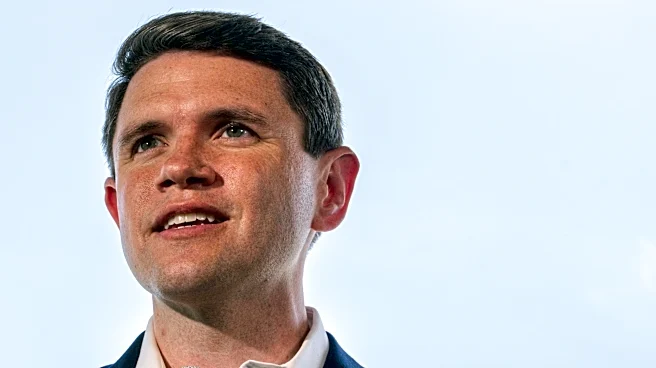
False rumors circulated online claiming that James Talarico, the Democratic candidate for U.S. Senate in Texas, was hospitalized at the Lindner Center of Hope, a mental health facility in Mason, Ohio. These claims emerged after Talarico was absent from
the campaign trail in early October. Conservative influencers Nick Sortor and Rhein Amacher posted on X, stating they had called the center and were told Talarico had been a patient. Amacher even shared audio he claimed was from these calls. However, the Lindner Center of Hope publicly denied these allegations in an X post on October 11, stating, 'Representative James Talarico has never received treatment from Lindner Center of Hope.' Talarico himself responded to the rumors, posting on X with a laughing emoji and clarifying, 'I’ve never even been to Ohio.' His campaign spokesperson, JT Ennis, called the claims a 'lie designed to promote a pathetic conspiracy theory.' Talarico's campaign stated he was recovering from the flu at his Austin, Texas, home during his absence, a claim supported by time-stamped camera images from his home security system reviewed by The New York Times.
Why It's Important?
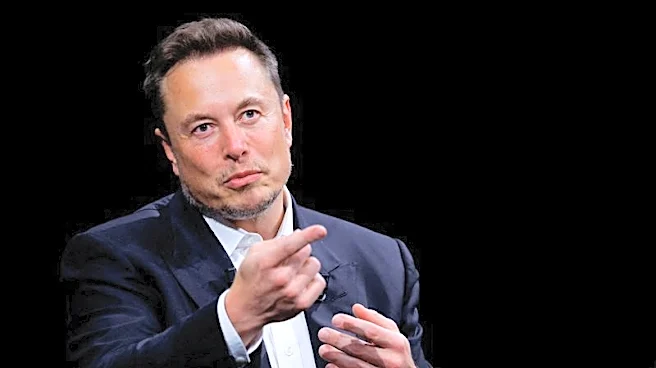
This incident highlights the significant impact of misinformation and conspiracy theories, particularly in the context of U.S. political campaigns. The rapid spread of unverified claims on social media platforms like X can quickly damage a candidate's reputation and distract from substantive policy discussions. The amplification of these rumors by prominent figures, including X owner Elon Musk, who has financially supported Talarico's Republican opponent, further underscores the challenges of maintaining factual integrity in the digital age. This situation demonstrates how easily false narratives can be constructed and disseminated, forcing candidates and institutions to expend resources on debunking them rather than focusing on their campaigns or core missions. It also raises concerns about the ethical responsibilities of social media platforms and influencers in verifying information before sharing it, especially when it pertains to the personal health and public image of political figures.
What's Next?
The immediate aftermath will likely involve continued efforts by Talarico's campaign to counter the false narrative and refocus public attention on his political platform. The incident may prompt further discussions regarding the role of social media companies in moderating content and combating misinformation during election cycles. It could also lead to increased scrutiny of the sources and motivations behind such rumors. For the Lindner Center of Hope, the public denial serves to protect its reputation and maintain trust, but it may also face ongoing inquiries related to the false claims. The broader implication is a potential increase in similar tactics as the election approaches, where personal attacks and unverified information are used to influence public opinion, necessitating a more vigilant approach from voters and media outlets in discerning truth from falsehood.
Beyond the Headlines
The incident delves into the deeper implications of 'information warfare' in modern politics, where the personal lives and health of candidates become targets for smear campaigns. It exposes the vulnerability of public figures to online attacks and the difficulty of fully eradicating false information once it gains traction. This event also touches upon the erosion of trust in traditional information sources and the rise of alternative, often unverified, narratives. The use of a mental health facility in the false rumor adds a layer of stigma, potentially discouraging individuals from seeking mental health care due to fear of public scrutiny or political weaponization. This trend could have long-term societal consequences, impacting not only political discourse but also public health perceptions and the overall integrity of democratic processes.