








What's Happening?
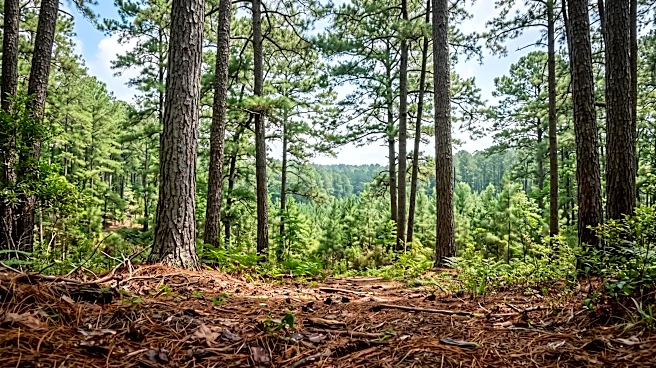
The Pocotaligo Station State Forest, spanning 2,821 acres across Jasper, Beaufort, and Hampton counties in South Carolina, has officially opened to the public. Acquired in June 2026 and dedicated on October 23, this new state forest was secured through
the collaborative efforts of six conservation partners: Open Space Institute, SC Forestry Commission, SC Office of Resilience, SC Conservation Bank, Beaufort County Green Space Program, and the Open Land Trust. The land, which shares over two miles of frontage with Interstate 95 and more than four miles along a major commercial freight train line, was previously at high risk of industrial development. All state forests managed by the South Carolina Forestry Commission are self-sustaining, receiving no state appropriations, with operating funds and salaries generated from timber sales, land leases, and recreational permits. Additionally, 25% of the gross income from each state forest is paid to local school districts in the counties where they are located. Currently, no recreational permit is required for hiking and bicycling, while hunting and fishing necessitate a WMA permit through the SC Department of Natural Resources, with hunting expected to be available starting in the 2027-2028 season.
Why It's Important?
The establishment of Pocotaligo Station State Forest is significant for several reasons. Firstly, it safeguards a critical ecological corridor, linking the Ashepoo-Combahee-Edisto (ACE) Basin and Port Royal Sound watersheds, thereby protecting vital natural resources from industrial development. This preservation ensures the land continues to filter and recharge water, absorb floodwaters, and protect downstream communities from extreme weather impacts. Secondly, the forest serves as a living archive of indigenous and Revolutionary War history, containing historic structures, ruins from the 1700s, and earthworks near Fort Balfour. This offers educational and cultural benefits, preserving important historical narratives. Thirdly, the self-sustaining financial model of South Carolina's state forests, which includes contributing 25% of their gross income to local school districts, demonstrates a unique and impactful approach to public land management that directly benefits local communities and education without relying on state appropriations. This model could serve as a blueprint for other states seeking sustainable funding mechanisms for their natural resources.
What's Next?
The South Carolina Forestry Commission is in the process of enrolling Pocotaligo Station State Forest into the Wildlife Management Area (WMA) program, with hunting anticipated to commence in the 2027-2028 hunting season, starting in August 2027. Signage will be posted with the SCDNR to establish specific hunting rules and regulations. While hiking and bicycling currently do not require a permit, future recreational activities and their associated regulations will likely be further defined as the forest integrates into the state's public land management system. The ongoing commitment to sustainable forestry practices, as evidenced by the certification of all South Carolina state forests to Sustainable Forestry Initiative™ and American Tree Farm System (ATFM) standards, indicates a continued focus on responsible resource management and environmental protection for the long term.
Beyond the Headlines
The opening of Pocotaligo Station State Forest highlights a broader trend in U.S. land conservation, where partnerships between government agencies and private conservation groups are crucial for protecting ecologically sensitive and historically significant areas. The forest's dual role as an environmental protector and a historical site underscores the multifaceted value of natural landscapes beyond mere resource extraction. The financial self-sufficiency model, where timber sales and recreational permits fund operations and contribute to local education, presents an innovative approach to public land management that could influence policy discussions on sustainable funding for conservation efforts nationwide. This model challenges traditional reliance on taxpayer funds and promotes a more direct economic benefit to local communities from their natural assets, fostering a stronger connection between environmental stewardship and local prosperity.