








What's Happening?
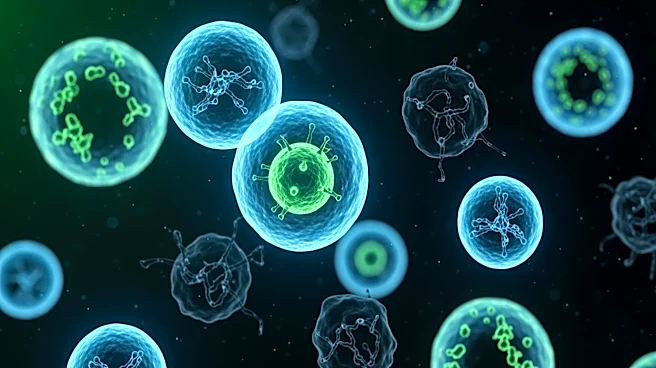
Researchers at the MRC Laboratory of Medical Sciences and Imperial College London have identified a new strategy to eliminate senescent 'zombie' cells, which are linked to cancer and aging. These cells, which survive in a fragile state, produce a protective
protein that prevents their death. By targeting this protein, researchers can induce self-destruction in these cells, potentially improving cancer treatments and therapies for age-related diseases. The study, published in Nature Cell Biology, highlights the potential of this approach to work alongside existing cancer therapies like chemotherapy.
Why It's Important?
The discovery of a method to target senescent cells could revolutionize cancer treatment by addressing a previously overlooked aspect of tumor biology. Senescent cells contribute to cancer progression and aging-related conditions, making them a significant target for new therapies. By eliminating these cells, the new drugs could enhance the effectiveness of chemotherapy and reduce tumor size, improving patient outcomes. This approach also holds promise for treating age-related diseases, potentially extending healthy lifespan and reducing the burden of age-associated conditions.
What's Next?
The next steps involve understanding how these new drugs affect the immune system and identifying which cancer types or patients might benefit most from this treatment. Researchers will likely conduct further studies to explore the drugs' efficacy in combination with existing therapies. If successful, this strategy could become a standard component of cancer treatment regimens, offering a new tool in the fight against cancer and aging.