


What's Happening?
Southeast Asia is experiencing an economic slowdown as the ongoing conflict in Iran disrupts global LNG supplies, leading to increased reliance on coal. Countries like Vietnam, Thailand, and the Philippines are boosting coal-fired power to compensate
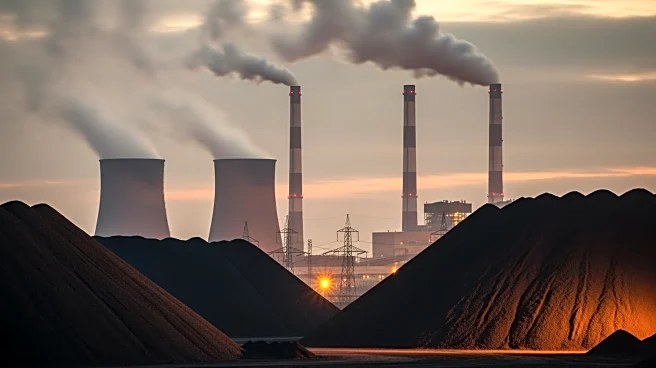
for the shortfall in LNG, which has been exacerbated by rising energy prices. The shift to coal is seen as a short-term solution to meet immediate energy demands, but it poses a risk to long-term renewable energy goals. The main price for coal in Asia, known as Newcastle coal from Australia, has risen by 13% since the conflict began, further impacting the region's economy. This reliance on coal could undermine efforts to transition to cleaner energy sources, as highlighted by energy experts.
Why It's Important?
The increased use of coal in Southeast Asia has significant implications for the region's environmental and economic landscape. While coal provides a temporary solution to energy shortages, it contributes to higher emissions and air pollution, which can have adverse health effects on the population. The reliance on coal also threatens to derail progress towards renewable energy targets, potentially setting a precedent for future energy policies. Economically, the rising cost of coal could strain national budgets and increase electricity prices, affecting both consumers and businesses. The situation underscores the vulnerability of energy-dependent countries to geopolitical conflicts and highlights the need for diversified energy sources.
What's Next?
As Southeast Asia continues to grapple with energy shortages, countries may seek to diversify their energy sources to reduce reliance on coal and mitigate environmental impacts. This could involve increased investment in renewable energy infrastructure and technology. Additionally, regional cooperation may be necessary to secure more stable energy supplies and manage price volatility. Policymakers will need to balance short-term energy needs with long-term sustainability goals, potentially leading to new regulations and incentives for clean energy adoption. The ongoing situation may also prompt a reevaluation of energy security strategies across the region.
Beyond the Headlines
The shift back to coal in Southeast Asia highlights broader challenges in the global energy transition. It raises ethical and environmental concerns about the continued use of fossil fuels and the impact on climate change. The situation also reflects the complex interplay between energy security, economic stability, and environmental sustainability. As countries navigate these challenges, there may be increased pressure on international organizations and governments to support clean energy initiatives and address the root causes of energy insecurity. The crisis serves as a reminder of the interconnectedness of global energy markets and the need for coordinated efforts to achieve a sustainable energy future.