
What's Happening?
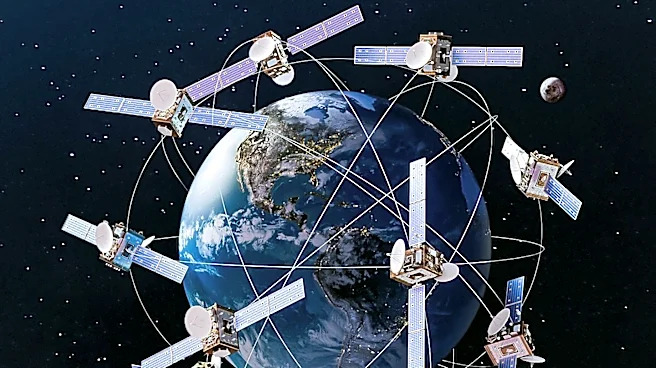
The Taiwan Space Agency (TASA) is in preliminary discussions with international partners to establish a constellation of over 300 communications satellites. This initiative is a direct response to concerns
raised by the throttling of SpaceX's Starlink satellite internet service in Ukraine, as stated by TASA Director Wu Jong-shinn. Wu highlighted that reliance on a single provider like Starlink, especially given SpaceX CEO Elon Musk's past statements sympathetic to Beijing's claims over Taiwan, poses a significant risk. The proposed low-Earth-orbit (LEO) network would involve private companies and three to four partner countries that lack their own sovereign communications constellations but are friendly to Taiwan. The goal is to create a more resilient and secure communication infrastructure, particularly in the face of potential threats such as invasion or blockade from China. TASA aims to build consensus among stakeholders by the end of 2026 and further develop the concept in 2027.
Why It's Important?
This development underscores a growing global concern regarding the geopolitical implications of private satellite communication services and the need for sovereign or allied-controlled alternatives. For the U.S., Taiwan's push for a multinational satellite network presents both opportunities and challenges. The U.S. is seen as a crucial partner, particularly for its advanced LEO communication payload technology, with TASA explicitly stating a desire for American financial or technological involvement. This collaboration could strengthen U.S.-Taiwan ties and enhance regional stability by providing a secure communication backbone. However, it also highlights the strategic vulnerabilities associated with commercial satellite services in conflict zones and the potential for private entities to influence international security dynamics. The initiative could spur further investment and innovation in the U.S. space industry, particularly in secure and resilient satellite technologies, while also prompting a re-evaluation of policies concerning the use of commercial space assets in national security contexts.
What's Next?
TASA plans to continue engaging with potential partner countries and private companies to build consensus for the multinational satellite constellation by the end of 2026. The concept is expected to be further consolidated in 2027, with a demonstration satellite, developed in collaboration with U.S. company CesiumAstro, scheduled for launch as early as 2028. This timeline suggests a phased approach to development, focusing initially on securing partnerships and technological contributions. The success of this initiative will likely depend on the willingness of other nations to commit resources and expertise, as well as the ability to navigate the complex geopolitical landscape. The U.S. government and private sector will likely monitor these developments closely, potentially offering support or seeking to integrate their own capabilities into the emerging network. The project could also influence other nations to pursue similar independent or allied satellite communication systems.
Beyond the Headlines
The push for a multinational satellite network by Taiwan reflects a broader trend towards diversifying critical infrastructure away from single points of failure, especially those with potential geopolitical entanglements. The ethical and strategic implications of private companies, like SpaceX, holding significant sway over global communication in times of conflict are brought to the forefront. This initiative could lead to a re-evaluation of international norms and regulations surrounding commercial space operations, particularly concerning their use in national security scenarios. It also highlights the increasing importance of space as a domain for national security and economic competition. The concept of 'co-ownership' among allied nations for critical space assets could become a model for future international collaborations, aiming to deter potential adversaries by distributing control and increasing the complexity of any attempted disruption. This move could also accelerate the development of more robust and secure satellite communication technologies globally.