









What's Happening?
Canada's public broadcaster, CBC/Radio-Canada, has secured full membership in the European Broadcasting Union (EBU), allowing the country to participate in the Eurovision Song Contest for the first time in 2027. This development is part of a broader strategy
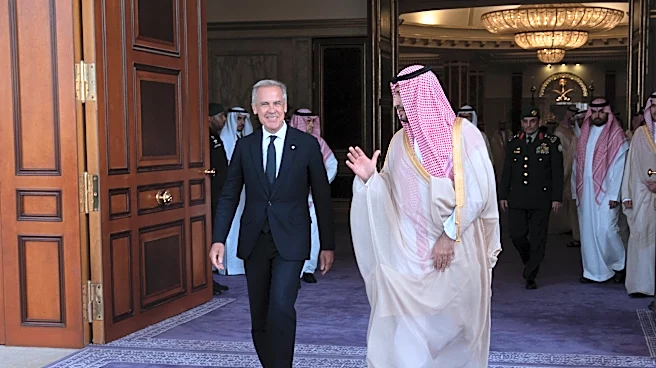
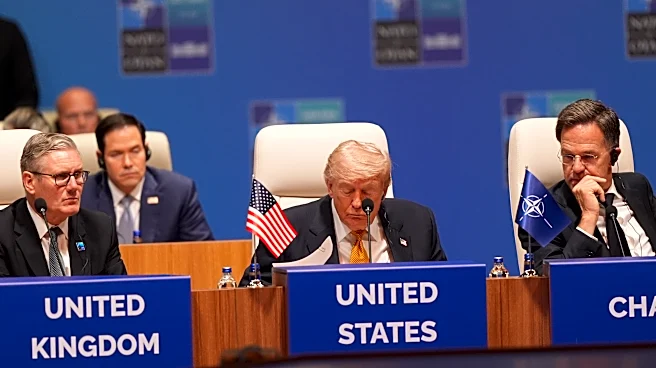
by Prime Minister Mark Carney's government to strengthen ties with Europe across cultural, defense, and trade sectors. The move comes amid trade tensions with the United States and President Trump's remarks about annexing Canada. In addition to cultural engagement, Canada has joined the European Union's Security Action for Europe (SAFE) defense financing instrument and has backed the creation of the Canada-led Defense, Security and Resilience Bank. These actions reflect Canada's efforts to diversify its international partnerships and reduce reliance on the U.S. market.
Why It's Important?
Canada's strategic pivot towards Europe signifies a significant shift in its foreign policy, driven by geopolitical changes and strained relations with the United States. By engaging more deeply with European institutions, Canada aims to secure its economic and security interests in a volatile global environment. The participation in Eurovision is not merely a cultural milestone but a symbol of Canada's broader integration into European frameworks. This shift could lead to increased economic opportunities and security collaborations, potentially reducing Canada's vulnerability to U.S. policy changes. The move also highlights the importance of soft power in international relations, as Canada seeks to project its identity and values to a European audience.
What's Next?
Canada's entry into Eurovision and its deeper ties with Europe are likely to continue evolving, with potential expansions in trade agreements and defense collaborations. The Canadian government may pursue further initiatives to strengthen its presence in European markets and institutions. Reactions from the U.S. could influence future diplomatic and economic strategies, as Canada balances its relationships with both North American and European partners. The success of these initiatives will depend on the ability to navigate complex international dynamics and maintain stable relations with key global players.
Beyond the Headlines
The cultural and economic integration with Europe could have long-term implications for Canada's national identity and global positioning. As Canada aligns more closely with European standards and practices, there may be shifts in domestic policies to accommodate these changes. The emphasis on soft power through cultural exchanges like Eurovision could enhance Canada's global influence and attract international interest in its cultural and economic offerings. This strategic realignment may also prompt discussions on national sovereignty and the balance of power in North America.