







What's Happening?
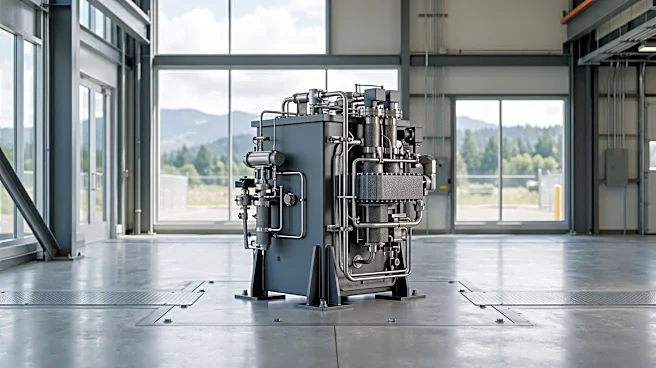
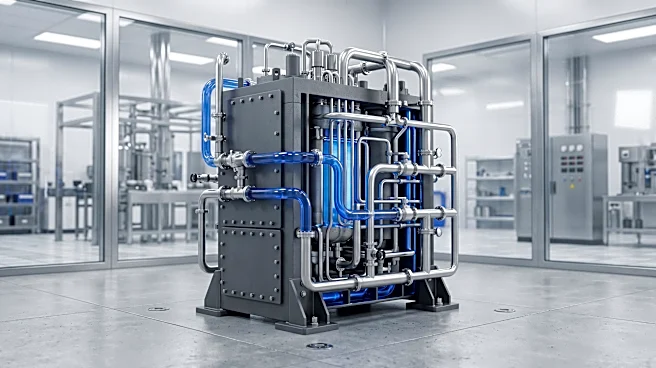
Antares Nuclear’s Mark-0 reactor achieved zero-power criticality in June 2026, marking the first privately developed non-light-water reactor in the United States to reach criticality in over four decades. Shortly after, Valar Atomics’ Ward 250 reactor also
reached criticality in June 2026. This achievement is significant as it represents the first advanced reactor authorized by the Department of Energy (DOE) to achieve criticality outside of a national laboratory. These developments signal a resurgence in private sector innovation within the U.S. nuclear energy landscape, focusing on advanced reactor designs that differ from traditional light-water reactors. The criticality events demonstrate the successful culmination of years of research, development, and regulatory navigation by these private entities, pushing the boundaries of nuclear technology in the country.
Why It's Important?
These milestones are crucial for the future of U.S. energy independence and climate goals. The successful criticality of these advanced reactors indicates a viable path toward diversifying the nation's energy portfolio with cleaner, more efficient nuclear power. Unlike conventional reactors, advanced designs often promise enhanced safety features, reduced waste, and greater operational flexibility, potentially making nuclear energy more appealing and deployable. For the U.S. industry, these achievements could spur further investment and innovation in the advanced nuclear sector, creating jobs and fostering technological leadership. The ability to develop and operate these reactors outside of national laboratories also suggests a more streamlined and accessible pathway for commercialization, which could accelerate the deployment of new nuclear technologies across the country.
What's Next?
Following criticality, the next steps for Antares Nuclear and Valar Atomics will likely involve extensive testing and validation of their reactor designs to demonstrate their performance and safety characteristics. This will be crucial for moving towards commercial operation and securing further regulatory approvals. The success of these initial reactors could pave the way for broader adoption of advanced nuclear technologies, potentially leading to the construction of more such facilities. The Department of Energy's authorization of Valar Atomics' reactor outside a national laboratory sets a precedent for future private sector involvement, suggesting a more collaborative and supportive regulatory environment for advanced nuclear projects. This could attract more private capital and talent to the sector, accelerating the development and deployment of these innovative energy solutions.
Beyond the Headlines
The successful criticality of these advanced reactors carries deeper implications for U.S. energy policy and national security. By fostering domestic innovation in nuclear technology, the U.S. can reduce its reliance on foreign energy sources and enhance its strategic energy independence. Furthermore, the development of advanced reactors with improved safety and waste management characteristics could address long-standing public concerns about nuclear power, potentially shifting public perception and increasing acceptance. These reactors could also play a vital role in decarbonizing heavy industries and providing reliable, baseload power for critical infrastructure, including data centers and military bases. The emphasis on non-light-water reactors also signifies a departure from traditional designs, opening up new avenues for research and development in nuclear physics and engineering.