
What's Happening?
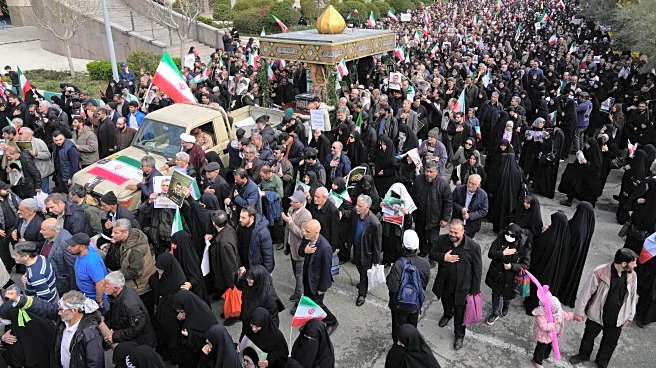
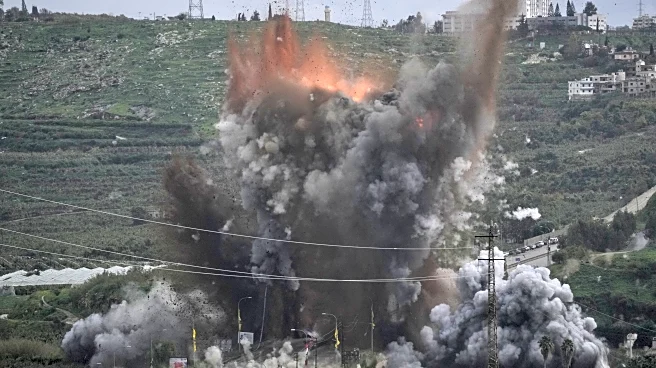
U.S. officials have announced an escalation in military operations targeting Iranian military assets near the Strait of Hormuz. This strategic waterway is crucial as it handles approximately 20% of global oil and LNG flows. The campaign, supported by
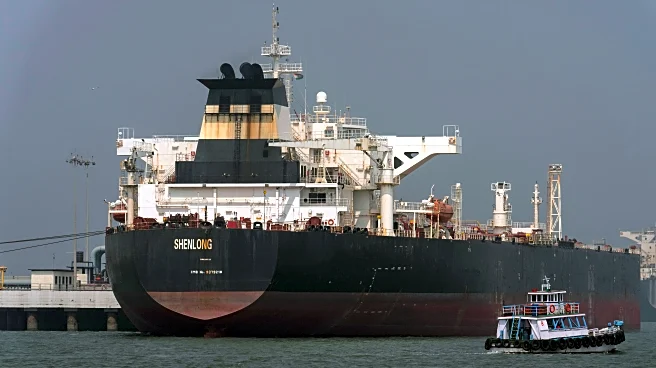
Israeli forces, aims to weaken Iran's capacity to disrupt shipping through the strait, which has been severely constrained due to ongoing hostilities. The U.S. is pressing Iran to reopen the waterway, with President Trump warning of further actions if transit is not restored. The conflict, now in its fourth week, has already led to limited tanker movements and heightened security risks, contributing to rising global oil prices and increased market volatility.
Why It's Important?
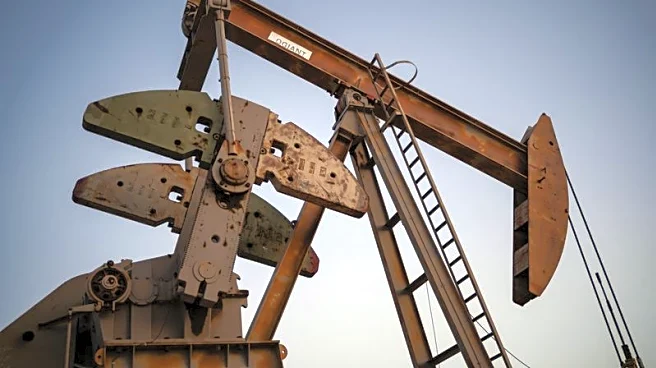
The Strait of Hormuz is a critical chokepoint for global energy supplies, and any disruption can have significant implications for the global economy. The U.S. military campaign is framed as a necessary measure to ensure long-term stability in energy markets by eliminating threats to key infrastructure and shipping routes. The ongoing conflict has already caused U.S. gasoline prices to surge by over 30% in the past month, with crude benchmarks remaining elevated. The situation underscores the vulnerability of global oil supply chains to geopolitical tensions, and the potential for prolonged disruptions could lead to tighter global balances and further price increases.
What's Next?
As military operations continue, short-term price pressures are expected to persist. The timing of any reopening of the Strait of Hormuz will be crucial in determining the trajectory of oil prices and global supply. Market participants are closely monitoring the situation, as sustained disruption could force production adjustments and draw down inventories, amplifying price impacts. The U.S. administration's actions are aimed at securing the strait to prevent further disruptions, but the evolving conflict will require careful management to avoid exacerbating market volatility.