







What's Happening?
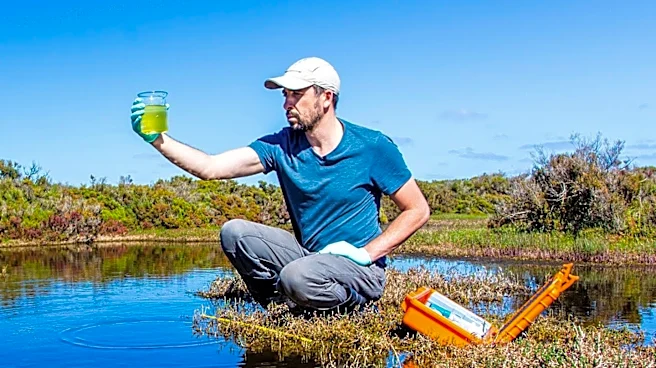
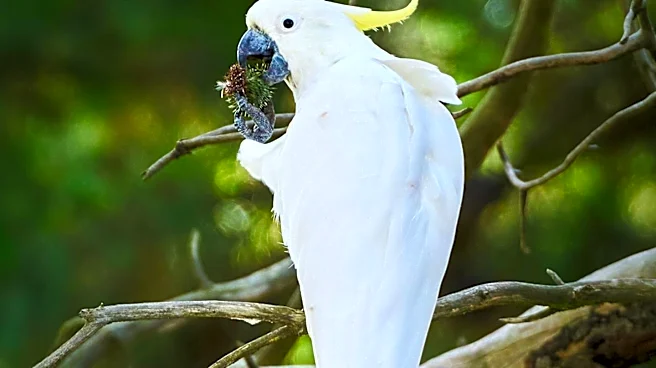
Researchers from Murdoch University have conducted a study tracking endangered Carnaby’s black cockatoos in Western Australia’s Wheatbelt region over three breeding seasons. The study found that 80% of seed samples collected from the birds' feeding areas
contained pesticides, with some levels exceeding legal limits by hundreds of times. The research, led by PhD candidate Zoe Kissane, involved fitting wild cockatoos with GPS and ARGOS satellite tags to track their feeding locations. The study identified 26 different pesticides, including 10 neurotoxic chemicals, in the birds' food sources. This contamination is suspected to be linked to Carnaby’s Hindlimb Paralysis Syndrome (CHiPS), a condition affecting the cockatoos since 2012. The findings have prompted calls for a review of Australian pesticide regulations, as many of the chemicals found are banned or restricted in other countries.
Why It's Important?
The study highlights significant environmental and health concerns related to pesticide use in agriculture. The contamination of food sources for endangered species like the Carnaby’s black cockatoo underscores the potential risks these chemicals pose to wildlife and possibly humans. The findings could influence public policy and regulatory frameworks regarding pesticide use in Australia, aligning them more closely with international standards. The research also emphasizes the need for improved agricultural practices to prevent wildlife exposure to harmful chemicals, which could have broader implications for biodiversity conservation and ecosystem health.
What's Next?
The study's results are likely to lead to increased scrutiny of pesticide regulations in Australia. Environmental groups and policymakers may push for stricter controls and alternative agricultural practices to reduce reliance on harmful chemicals. The farming industry might be encouraged to adopt better grain handling practices to minimize seed spills and wildlife exposure. Continued research could further explore the link between pesticides and CHiPS, potentially leading to targeted conservation efforts for the Carnaby’s black cockatoo and other affected species.