



What's Happening?
Twenty U.S. allies, including the United Kingdom and France, have committed to ensuring safe passage through the Strait of Hormuz following Iran's decision to block ships from the vital waterway. This blockade has disrupted energy supplies and global
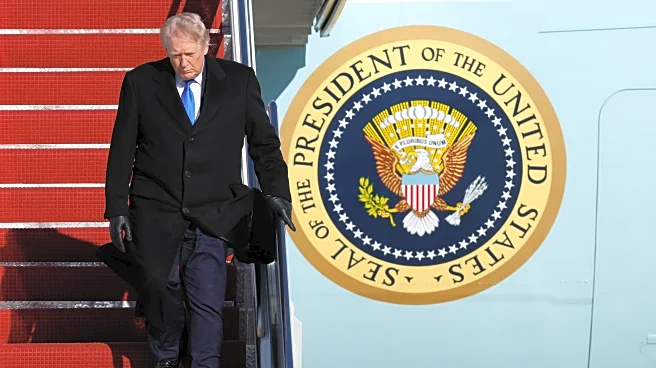
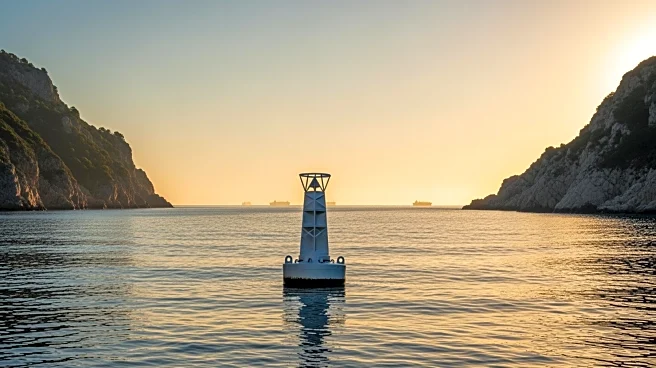
trade, prompting U.S. President Donald Trump to call on allied nations to secure the strait. The Strait of Hormuz is a critical chokepoint for global oil shipments, and its closure has raised concerns about potential economic fallout and increased tensions in the Middle East.
Why It's Important?
The Strait of Hormuz is a strategic maritime passage through which a significant portion of the world's oil supply is transported. Iran's blockade threatens global energy markets and could lead to increased oil prices, affecting economies worldwide. The commitment by U.S. allies to secure the strait underscores the importance of international cooperation in maintaining global trade routes and energy security. This situation highlights the geopolitical tensions in the Middle East and the potential for conflict escalation, which could have far-reaching implications for global stability and economic growth.
What's Next?
The international coalition's efforts to secure the Strait of Hormuz will likely involve increased naval patrols and diplomatic negotiations with Iran. The situation may lead to further diplomatic engagements between the U.S., its allies, and Iran to de-escalate tensions and ensure the free flow of trade. The outcome of these efforts will be critical in determining the stability of global energy markets and the broader geopolitical landscape in the region. Continued monitoring of the situation is essential as it develops.