




What's Happening?
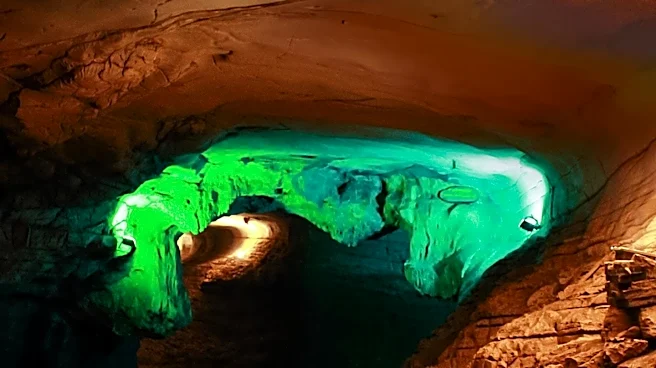
Movile Cave in Romania, sealed off from the outside world for 5.5 million years, hosts a unique ecosystem with 48 species that thrive without sunlight. Discovered in 1986, the cave's ecosystem relies on chemosynthetic bacteria that oxidize hydrogen sulphide,
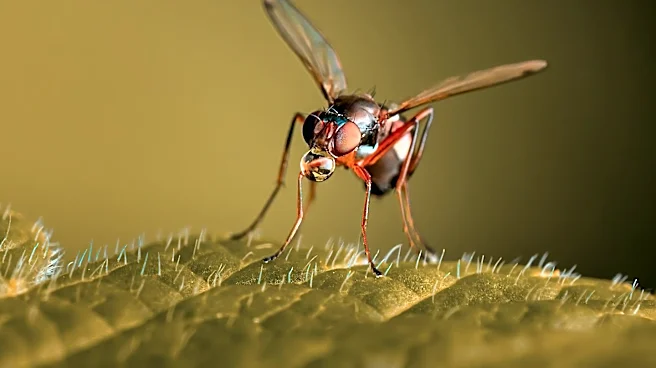
methane, and ammonia for energy. This environment supports a variety of species, including eyeless spiders and centipedes, which have adapted to the dark, toxic conditions. The cave's isolation has allowed these species to evolve independently, providing a natural experiment in evolutionary biology.
Why It's Important?
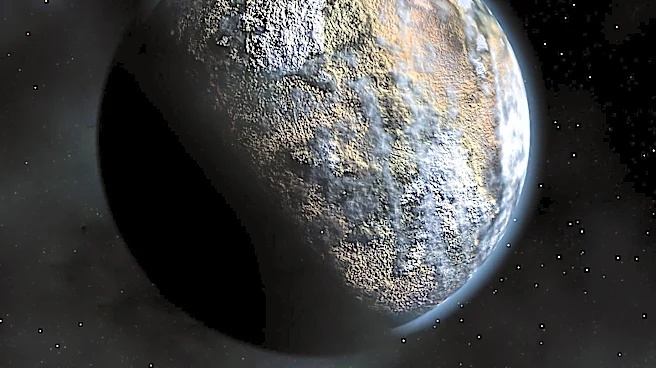
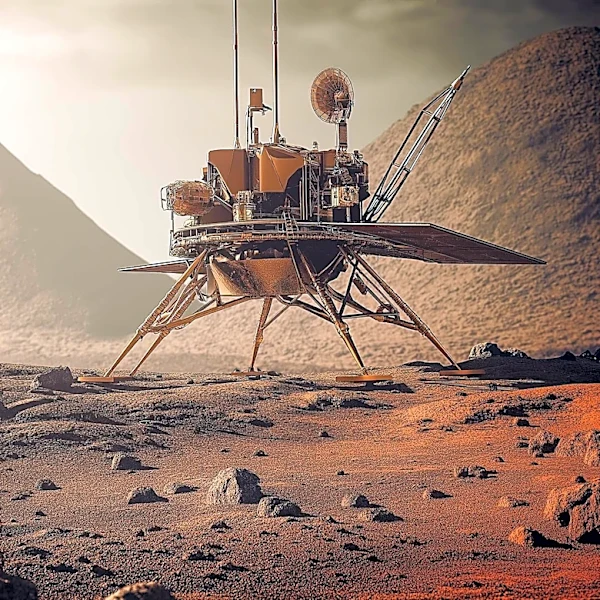
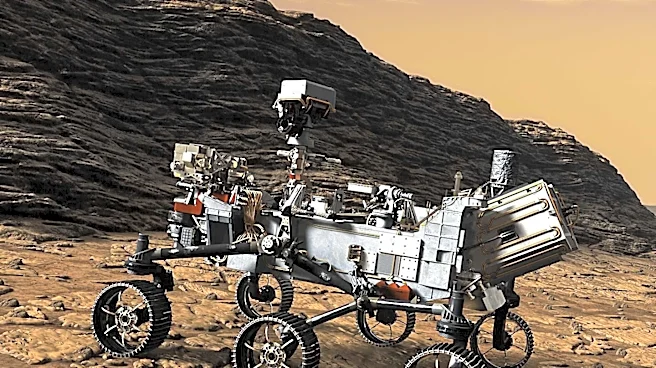
The discovery of Movile Cave's ecosystem is significant for understanding evolutionary biology and the potential for life in extreme environments. The cave serves as a model for studying how life can adapt to isolated, harsh conditions, offering insights into evolutionary processes. This research has implications for astrobiology, as it suggests that life could exist in similar environments on other planets, such as Europa or Enceladus. The cave's unique conditions also provide a valuable opportunity to study the limits of life on Earth.
Beyond the Headlines
Movile Cave's ecosystem challenges traditional views of life on Earth, demonstrating that ecosystems can thrive without sunlight. This discovery expands the understanding of life's adaptability and resilience, potentially influencing future research in both terrestrial and extraterrestrial environments. The cave's isolation and unique conditions make it a critical site for studying evolutionary biology and the potential for life beyond Earth.