




What's Happening?
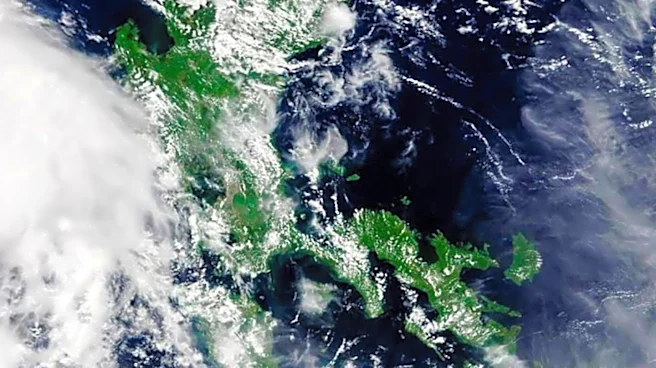
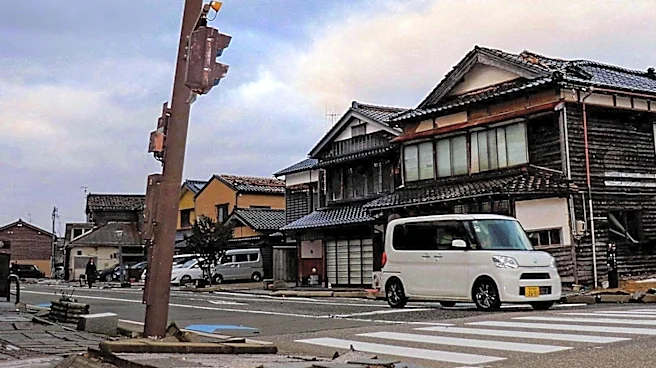
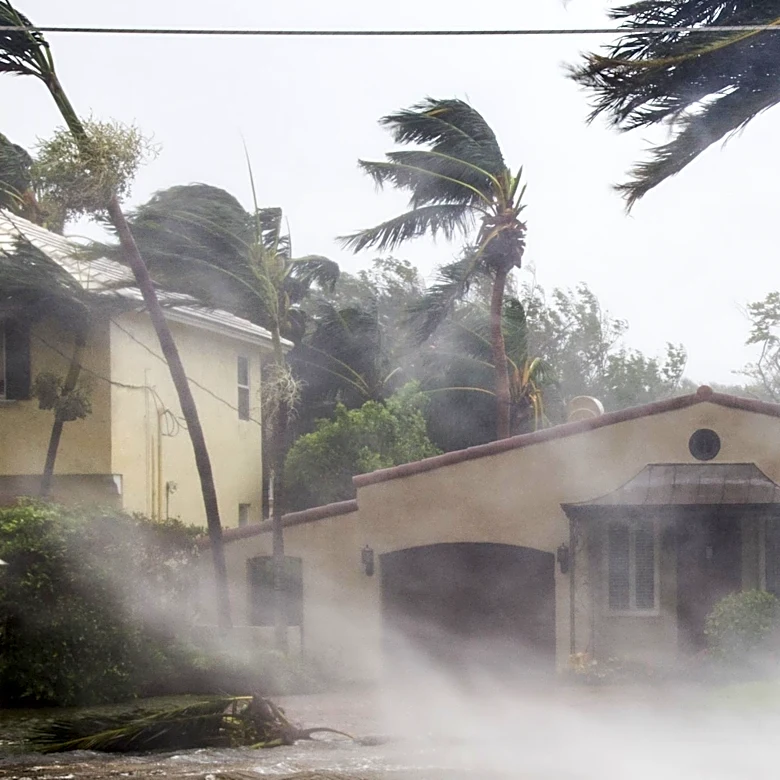
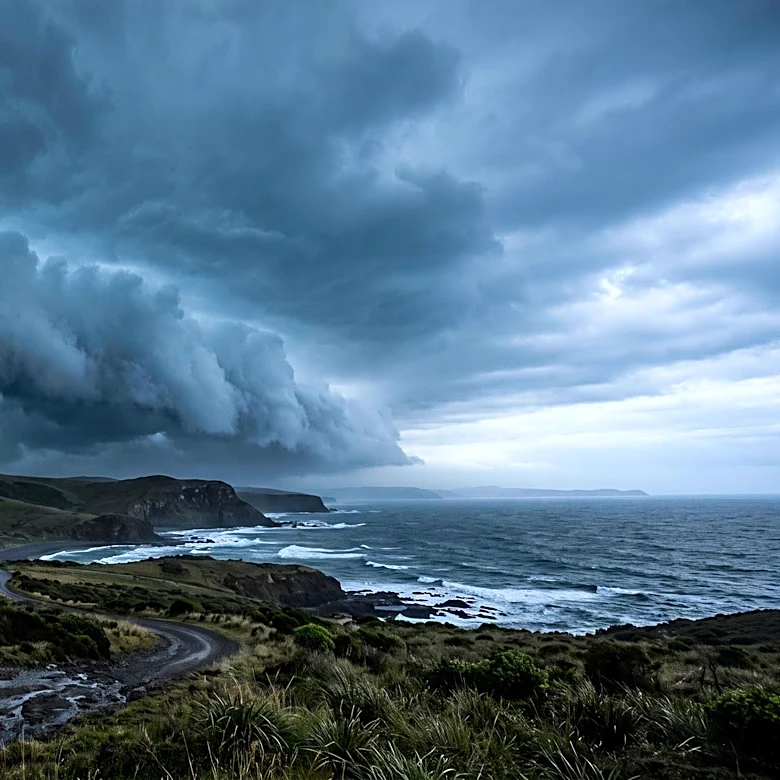
Typhoon Champi recently swept past Taiwan, resulting in one death and more than 500 injuries. The storm, which was once a super typhoon and one of the strongest in the Pacific this year, caused widespread damage, including downed trees and power outages
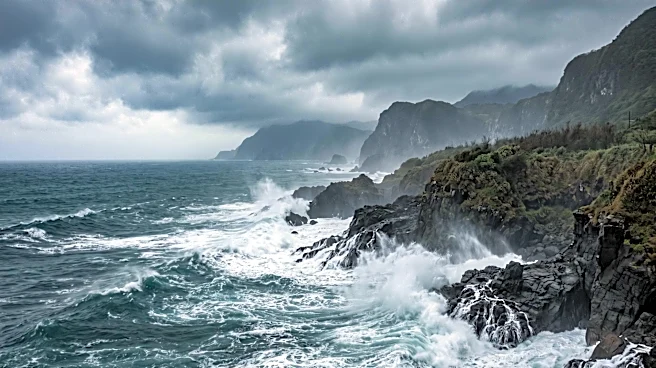
affecting over 288,000 homes, though most have since been reconnected. The Central Weather Administration reported that Champi glanced off Taiwan's northeastern coast in Yilan County, with wind gusts reaching 227 kph (141 mph) in some coastal areas. The storm's center made a rare loop offshore before moving northward. In response to the typhoon, 259 flights were canceled, and governments in northern and central Taiwan, including Taipei, declared a second day of office and school closures. The storm is now weakening and heading north towards the Chinese coast, though it is not expected to make landfall there. China's emergency management ministry has sent a team to Zhejiang province and prepared rescue workers and equipment as Champi approaches.
Why It's Important?
The impact of Typhoon Champi highlights the significant vulnerability of coastal regions to severe weather events, even when a direct landfall is avoided. The extensive power outages and flight cancellations underscore the immediate disruption such typhoons can cause to infrastructure and daily life. The high number of injuries and the single fatality serve as a stark reminder of the human cost associated with these natural disasters. For the U.S., this event provides a case study in disaster preparedness and response, particularly for its own coastal areas prone to hurricanes and tropical storms. The coordinated efforts between Taiwan and China in monitoring and preparing for the typhoon's trajectory also demonstrate the importance of regional cooperation in managing cross-border environmental threats. The economic repercussions, though not fully detailed, would include costs for repairs, emergency services, and potential losses in tourism and commerce due to closures and travel disruptions.
What's Next?
As Typhoon Champi continues to weaken and move northward, its immediate impact on Taiwan is expected to subside, with recovery efforts focusing on restoring full power and clearing debris. The storm's trajectory suggests it will track up the Chinese coast and eventually move into southern Japan, prompting authorities in those regions to remain on high alert. China's emergency management ministry has already deployed resources to Zhejiang province, anticipating strong winds and heavy rain. Further flight cancellations or disruptions could occur in these areas. Long-term, the event may prompt a review of existing infrastructure resilience and emergency protocols in Taiwan and neighboring countries, especially given the increasing frequency and intensity of such weather phenomena. The focus will shift to assessing the full extent of the damage and implementing measures to mitigate future risks.
Beyond the Headlines
The occurrence of a powerful typhoon like Champi in autumn, though less common than in summer, points to potential shifts in global weather patterns, which could have broader implications for climate change studies and disaster planning. The personal accounts from residents, describing the storm as 'terrifying' and akin to a 'horror film,' underscore the psychological toll such events can take on affected communities. Beyond the immediate physical damage, there's a deeper societal impact related to trauma and displacement. The rapid response and coordination between different government agencies and utilities in Taiwan, as well as the preparatory actions taken by China, highlight the critical role of effective governance and inter-agency collaboration in mitigating disaster impacts. This event also subtly reinforces the ongoing debate about urban planning in coastal zones and the need for resilient infrastructure in the face of escalating climate-related challenges.