




What's Happening?
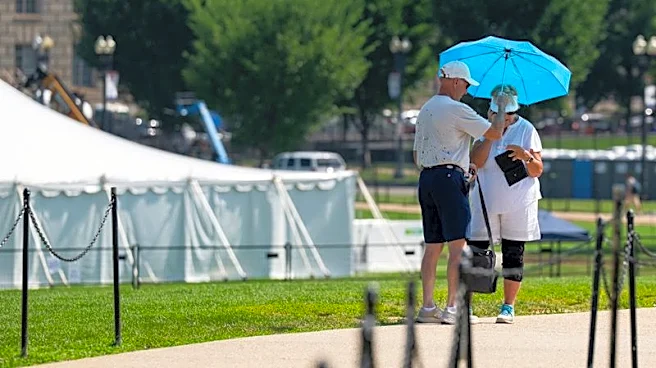
Washington D.C. is experiencing a record-breaking heat wave with temperatures reaching 102 degrees Fahrenheit and a heat index of 117. This extreme weather coincides with the United States' 250th Independence Day celebrations, causing significant disruptions.
The oppressive heat has led to the postponement of events on the National Mall and has strained the city's infrastructure. Historical comparisons show that D.C. has faced similar heat levels in the past, notably in August 1918 and July 1930. The current conditions have forced city officials to take measures such as closing public cooling sites and canceling events to ensure public safety.
Why It's Important?
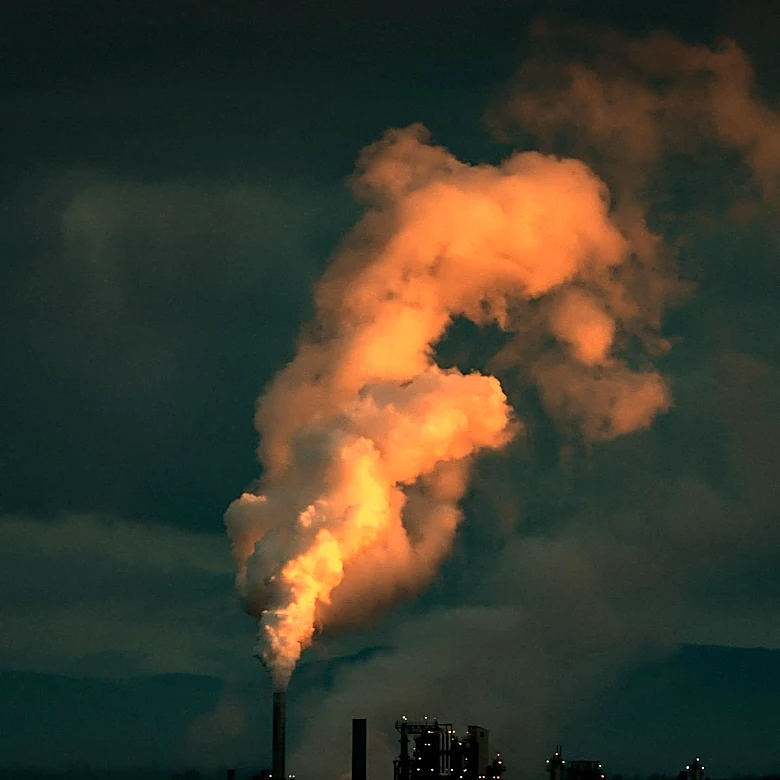
The heat wave in Washington D.C. highlights the growing challenges posed by extreme weather events, which are becoming more frequent due to climate change. The impact on public health is significant, with increased risks of heat-related illnesses, particularly among vulnerable populations such as the elderly and children. The strain on infrastructure, including energy grids and public services, underscores the need for cities to adapt to changing climate conditions. This event serves as a reminder of the urgent need for comprehensive climate policies and preparedness strategies to mitigate the effects of such extreme weather.
What's Next?
As the heat wave continues, city officials are likely to implement additional measures to protect residents and visitors. This may include opening more cooling centers, providing public health advisories, and adjusting event schedules. The situation also calls for long-term planning to enhance urban resilience against climate change. Policymakers and city planners may need to consider infrastructure improvements and community education programs to better prepare for future heat waves.