










What's Happening?
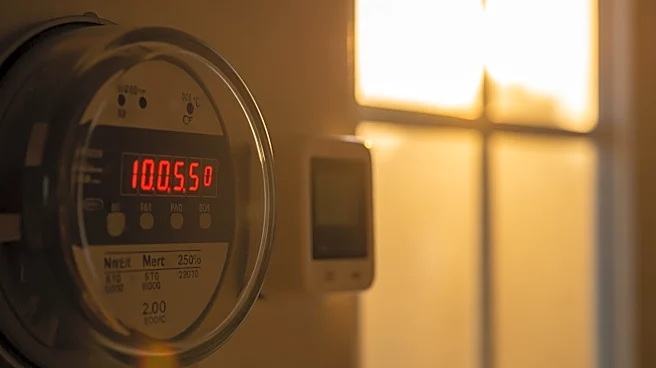
Americans are expected to encounter record-high electricity bills this summer as both electricity prices and temperatures rise. According to the National Energy Assistance Directors Association, the average U.S. household will spend approximately $792
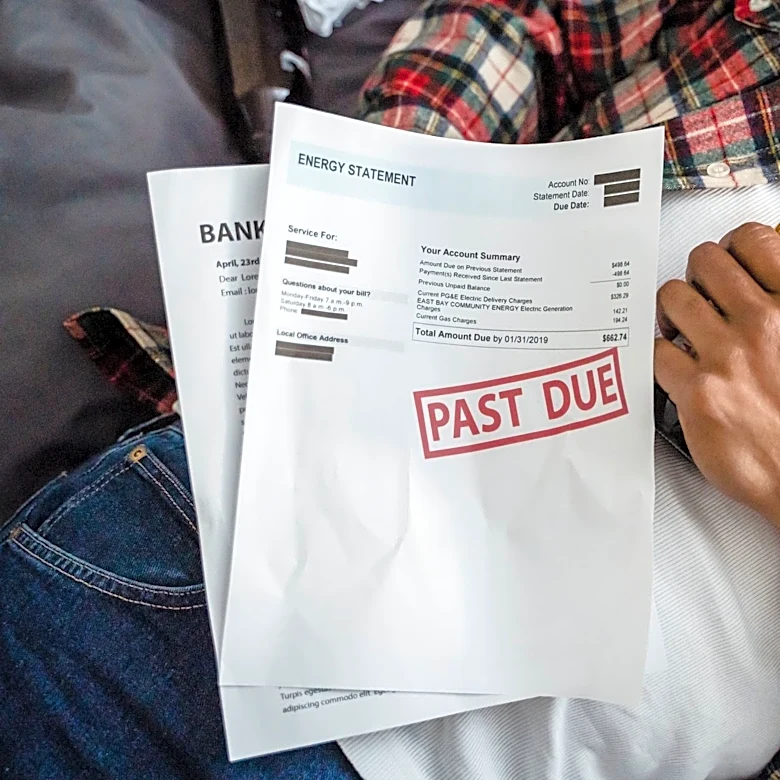
on electricity from June to September, marking a 10.5 percent increase from the previous year. Since 2020, cooling costs have surged nearly 40 percent due to escalating electricity prices and hotter summers. The report highlights that one in six American households is behind on utility payments, with nearly 40 percent of households earning less than $50,000 struggling to keep up. The West South Central region, including Texas, Oklahoma, Arkansas, and Louisiana, is expected to see some of the highest bills. The Weather Channel forecasts extreme heat across the West, Plains, and Southeast, with temperatures reaching the 90s and above 100 degrees in some areas.
Why It's Important?
The rising electricity costs pose significant challenges for American households, particularly those with lower incomes. As cooling becomes more expensive, families may face difficult choices between paying utility bills and affording other essentials like food, rent, or medicine. The increased financial burden could exacerbate economic disparities and strain public assistance programs. The National Energy Assistance Directors Association is urging Congress to boost funding for the Low-Income Home Energy Assistance Program to $7 billion for fiscal year 2027 to help mitigate these impacts. The situation underscores the broader issue of energy affordability and the need for sustainable solutions to manage rising temperatures and energy costs.
What's Next?
As temperatures continue to rise, the demand for electricity is expected to increase, potentially leading to further price hikes. Policymakers may face pressure to address energy affordability and enhance support for low-income households. The call for increased funding for energy assistance programs could gain traction, prompting legislative action. Additionally, there may be a push for investments in renewable energy and energy efficiency measures to reduce reliance on traditional power sources and mitigate future cost increases. Stakeholders, including utility companies and consumer advocates, will likely engage in discussions to find balanced solutions that address both immediate and long-term energy challenges.