





What's Happening?
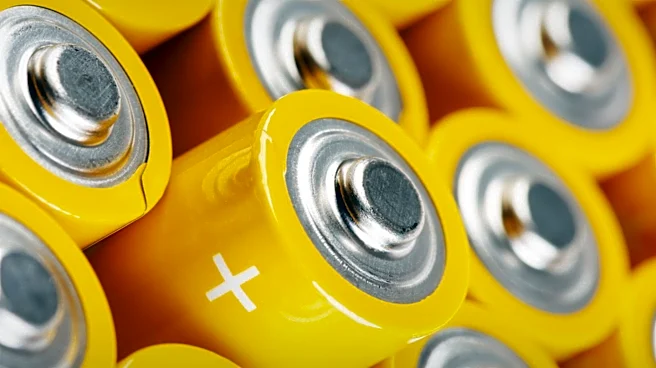
The battery market in the U.S. is characterized by a diverse range of technologies, from traditional alkaline and lead-acid batteries to advanced lithium-ion variants. Consumers encounter various battery types daily, including alkaline packs for household
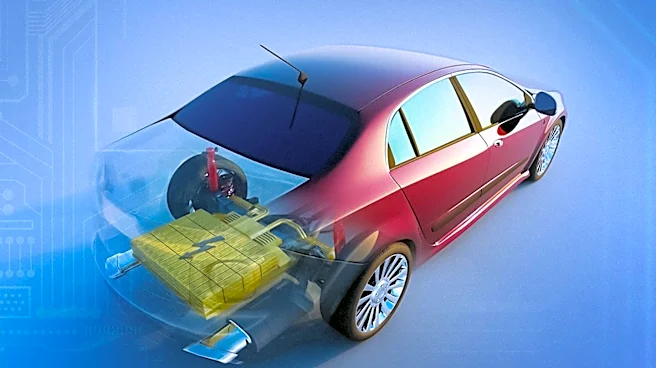
devices, nickel-metal hydride for game controllers, and lead-acid batteries for automotive use. Lithium-ion batteries power modern electronics like phones and home backup systems. A key distinction exists between primary cells, which are disposable after a single use, and secondary cells, which are rechargeable. While physical dimensions like AA or AAA are standardized, they do not dictate the internal chemistry, voltage, or energy capacity. The choice of battery is critical, as matching the wrong type to a device can lead to electronic damage, reduced hardware lifespan, or even fire hazards. For applications prioritizing safety, durability, and frequent cycling, Lithium Iron Phosphate (LiFePO₄) batteries are emerging as a leading choice due to their higher thermal stability and longer cycle life, often configured in dedicated modules for stationary power walls and RV conversions.
Why It's Important?
The evolution of battery technology has significant implications for U.S. industries and consumers. The increasing demand for reliable and safe power sources impacts sectors ranging from automotive and consumer electronics to renewable energy storage. The shift towards more durable and thermally stable options like LiFePO₄ batteries addresses critical safety concerns associated with some lithium-ion chemistries, which have a higher propensity for thermal runaway. This enhanced safety profile is particularly important for large-scale energy storage solutions, such as those used in homes and recreational vehicles, where reliability and longevity are paramount. For consumers, understanding the different battery chemistries and their applications can prevent equipment damage and ensure optimal performance. For businesses, the availability of advanced battery solutions supports the development of more efficient and safer products, contributing to technological innovation and market competitiveness within the U.S.
What's Next?
The U.S. battery market is expected to continue its trajectory towards more specialized and safer chemistries. Further research and development will likely focus on improving energy density, reducing costs, and enhancing the environmental sustainability of battery production and recycling. The increasing adoption of electric vehicles and renewable energy systems will drive demand for high-performance, long-lasting, and safe battery solutions. Manufacturers will likely continue to innovate in areas such as thermal management and cycle life to meet these growing demands. Additionally, regulatory bodies may introduce new standards for battery safety and disposal, influencing design and manufacturing processes. The emphasis on LiFePO₄ and similar chemistries suggests a future where battery technology prioritizes both performance and user safety, impacting product design across various U.S. industries.
Beyond the Headlines
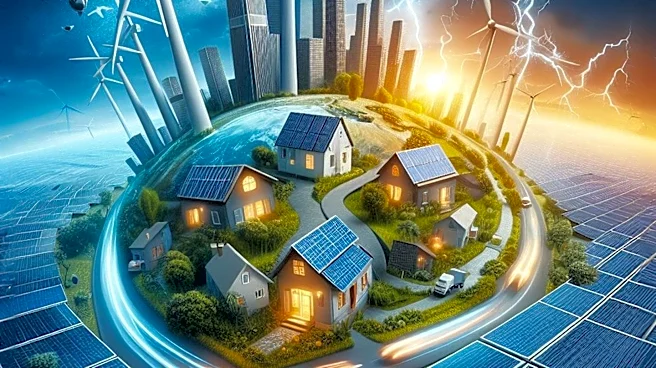
Beyond the immediate applications, the advancements in battery technology, particularly the focus on safety and durability, have broader societal and environmental implications in the U.S. The reduced risk of thermal events with chemistries like LiFePO₄ can lead to greater public trust in battery-powered devices and energy storage systems, accelerating their adoption. This is crucial for the transition to a more sustainable energy infrastructure, as reliable and safe energy storage is a cornerstone of renewable energy integration. Furthermore, the emphasis on longer cycle life contributes to reduced waste and a more circular economy, aligning with growing environmental consciousness. The responsible disposal and recycling of various battery types also present an ongoing challenge and opportunity for innovation in waste management and resource recovery, impacting environmental policy and industrial practices across the nation.