




What's Happening?
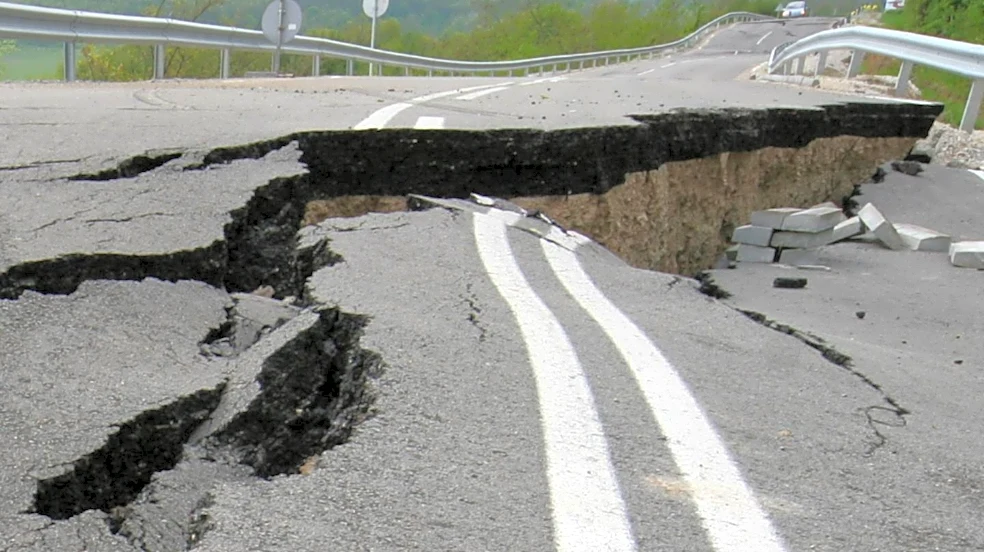
Intense rainfall in Quito, Ecuador, has led to the collapse of a retaining wall and significant road damage in the La Argelia Baja sector. The heavy precipitation, which began on the night of October 19, caused the structure to give way, destroying a section
of Macuchi Street and disrupting essential services. Water and electricity networks were affected, leaving several residents without these basic utilities. Additionally, one mixed-construction home was directly impacted by the falling debris. Emergency services, including the Metropolitan COE, responded to the scene to assess the damage and coordinate relief efforts. Fortunately, authorities confirmed that there were no fatalities or injuries resulting from the incident. The Metropolitan Transit Agency has implemented a full closure of Macuchi Street in both directions due to the damage.
Why It's Important?
This event highlights the vulnerability of urban infrastructure to extreme weather conditions, a growing concern in many regions. The collapse of the retaining wall not only caused immediate disruption to daily life for residents, including loss of essential services and road closures, but also underscores potential risks to public safety. Such incidents can lead to significant economic costs for repair and reconstruction, placing a burden on municipal budgets. Furthermore, the disruption of utilities and transportation routes can have broader impacts on local commerce and community well-being. The event also serves as a reminder of the importance of robust urban planning and infrastructure maintenance, especially in areas prone to heavy rainfall and geological instability, to mitigate the risks associated with natural phenomena.
What's Next?
Specialized personnel from Epmmop, Epmaps, and the Zonal Operative are on-site to evaluate the terrain's stability and determine immediate mitigation measures. Municipal brigades are inspecting adjacent homes to rule out further risks, and continuous monitoring of the affected ravine and road will be maintained. Heavy machinery has begun clearing debris from Taura and Macuchi streets, with repair work expected to continue in the coming hours to restore urban mobility. The National Institute of Meteorology and Hydrology has warned that rainfall will persist across Ecuador until October 22, with intense storms expected in provinces like Pichincha, Esmeraldas, Santo Domingo de los Tsáchilas, and Guayas. Local municipalities are keeping their Emergency Operations Committees active, and residents are urged to report any structural threats promptly, especially as these rains coincide with the maturation period of the El Niño phenomenon.
Beyond the Headlines
The incident in La Argelia Baja points to a broader challenge faced by urban centers in regions susceptible to climate change impacts, such as increased frequency and intensity of rainfall. The collapse of infrastructure like retaining walls can be a symptom of aging urban systems, inadequate drainage, or construction not designed to withstand current climatic pressures. This event could prompt a re-evaluation of building codes, urban development strategies, and investment in resilient infrastructure across Quito and similar cities. It also highlights the socio-economic disparities, as communities in less affluent areas often bear a disproportionate burden of such disasters due to less robust infrastructure. The long-term implications could include a push for more sustainable urban planning, early warning systems for extreme weather, and community-based disaster preparedness programs to enhance resilience against future climate-related events.