




What's Happening?
Republican lawmakers have introduced resolutions in Congress to overturn federal waivers that allow California to enforce its shipping emissions regulations. These measures, filed under the Congressional Review Act, target waivers for California's Ocean-Going
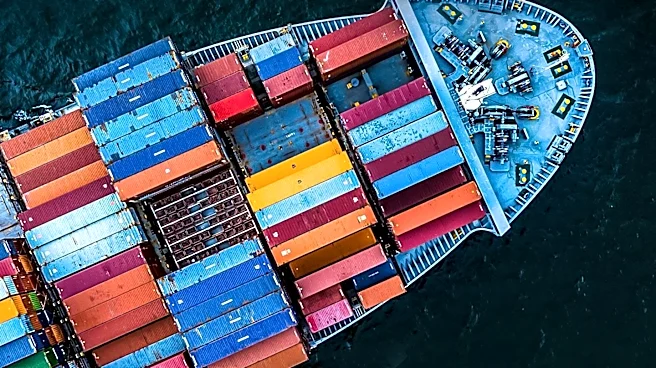
Vessels At-Berth and Commercial Harbor Craft rules. The challenge questions the Environmental Protection Agency's handling of Clean Air Act waivers, potentially affecting California's authority to enforce emissions standards on ships and harbor craft. The At-Berth regulation, in place since 2007 and updated in 2020, aims to reduce air pollution and protect public health. It has phased compliance requirements over a decade, with final provisions set for 2027. Significant investments have been made by ports, terminal operators, and vessel owners to meet these standards. Reversing the waivers could create regulatory uncertainty and undermine these investments.
Why It's Important?
The potential overturning of California's emissions waivers could have significant implications for the shipping industry and environmental policy. California's regulations are designed to reduce air pollution and protect public health, with the At-Berth regulation alone expected to reduce cancer risk by 60% for portside communities. The Commercial Harbor Craft Rule could prevent 530 deaths and reduce pollution exposure for millions. Overturning these waivers could disrupt the progress made in transitioning to zero-emission technologies, affecting public health and California's leadership in clean maritime practices. It also poses a risk to businesses that have invested in compliance, potentially leading to financial losses and regulatory instability.
What's Next?
If the resolutions succeed, California may face challenges in maintaining its emissions standards, potentially leading to increased pollution and health risks. Stakeholders, including environmental groups and businesses, may push back against the resolutions, advocating for the continuation of the waivers. The outcome could influence future state and federal environmental policies, particularly in how states can enforce stricter standards than federal regulations. The situation may also prompt discussions on balancing economic interests with environmental and public health priorities.