

What's Happening?
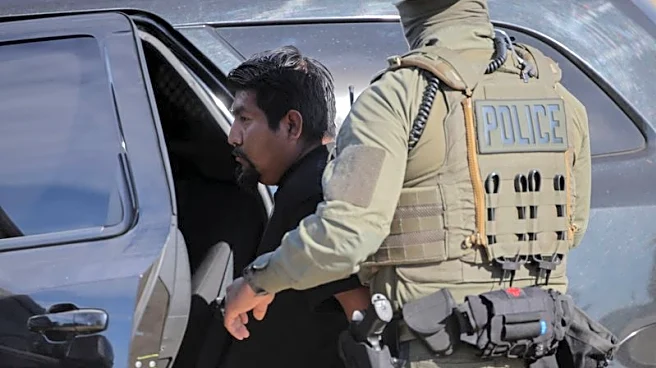
The death of Nurul Amin Shah Alam, a nearly blind refugee from Myanmar, has been ruled a homicide by authorities in Buffalo, New York. Shah Alam was found dead on a street in February, five days after being left at a doughnut shop by Border Patrol agents.
The Erie County Medical Examiner's Office determined that his death was caused by complications from a perforated duodenal ulcer, exacerbated by hypothermia and dehydration. The ruling of homicide indicates that his death resulted from another person's actions or inaction, though it does not necessarily imply a crime was committed. Shah Alam, a member of the Rohingya ethnic minority, had sought refuge in the U.S. after facing persecution in Myanmar. His death has sparked calls for a criminal investigation into the conduct of the Border Patrol agents involved.
Why It's Important?
This case highlights significant concerns about the treatment of vulnerable individuals by U.S. immigration authorities. The ruling of homicide raises questions about the responsibilities and actions of the Border Patrol agents who left Shah Alam at a location where he was unable to care for himself. The incident underscores the challenges faced by refugees and immigrants in the U.S., particularly those with disabilities or language barriers. It also brings attention to the broader issue of how immigration policies and enforcement practices can impact human rights and safety. The case has prompted calls for accountability and may influence future policy discussions regarding the treatment of immigrants and refugees by law enforcement agencies.
What's Next?
State Attorney General Letitia James and Erie County District Attorney Mike Keane are reviewing the case, and further investigations may be conducted to determine any legal responsibilities. Advocacy groups are likely to continue pushing for accountability and changes in policy to prevent similar incidents in the future. The outcome of this case could have implications for how immigration enforcement is conducted and may lead to increased scrutiny of the practices of agencies like the Border Patrol.