






What's Happening?
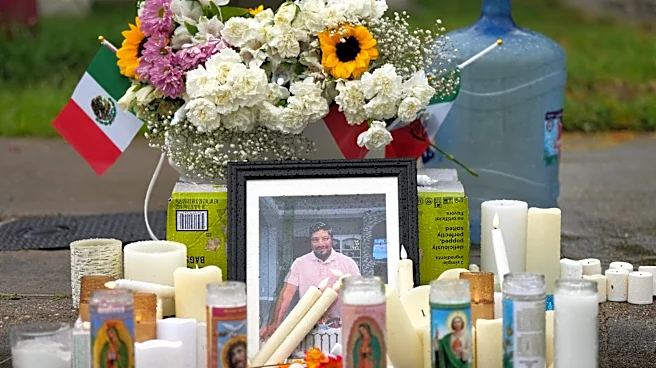
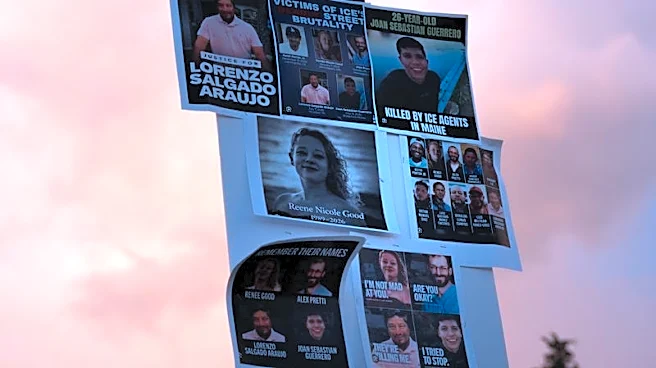
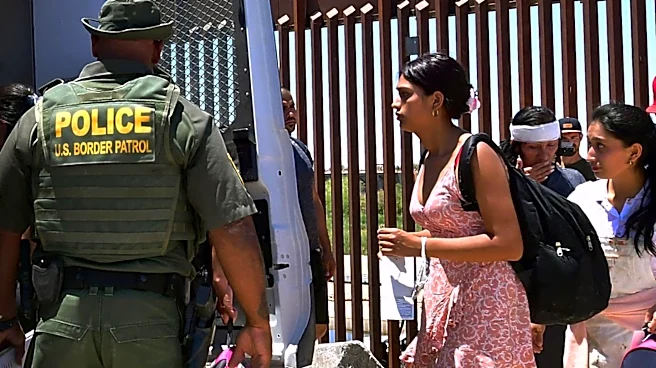
Tom Homan, the White House border czar, has emphasized the importance of body cameras for Immigration and Customs Enforcement (ICE) officers following two fatal shootings in Texas and Maine. On July 7, an ICE officer shot and killed a Mexican national
in Houston, and days later, another officer shot a Colombian man in Biddeford, Maine. In both incidents, the officers were not equipped with body cameras. Homan stated that body cameras are crucial for transparency, allowing the public to see the perspective of officers during critical moments. The Department of Homeland Security (DHS) has announced plans to equip every ICE arrest team with at least one officer wearing a body camera. This initiative follows negotiations between Senate Democrats and Republicans, which included discussions on immigration enforcement reforms. Despite previous funding challenges, DHS has begun deploying body cameras to ICE field offices, with full implementation expected within 60 days.
Why It's Important?
The push for body cameras is significant as it addresses concerns about accountability and transparency in law enforcement, particularly in immigration operations. The recent shootings have intensified scrutiny on ICE's practices, highlighting the need for reforms to ensure public trust. Body cameras could provide critical evidence in contentious situations, potentially reducing incidents of excessive force and improving community relations. The initiative also reflects broader national debates on law enforcement practices and the balance between security and civil liberties. The deployment of body cameras may influence future policy decisions and funding allocations for law enforcement agencies across the U.S.
What's Next?
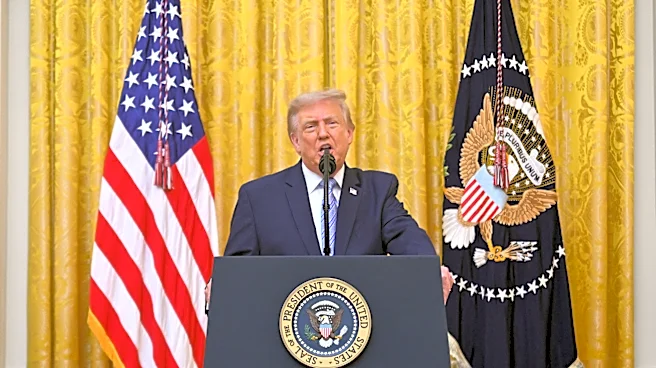
As DHS continues to roll out body cameras, the focus will be on training officers and ensuring the technology is effectively integrated into ICE operations. The department aims to complete the deployment within the next two months. Meanwhile, investigations into the recent shootings are ongoing, and their outcomes could impact future policy decisions. The Trump administration's stance on immigration enforcement and body cameras will likely remain a point of contention in political discussions, especially as lawmakers debate funding and oversight of federal agencies. Public and political reactions to these developments will shape the discourse on law enforcement transparency and accountability.