




What's Happening?
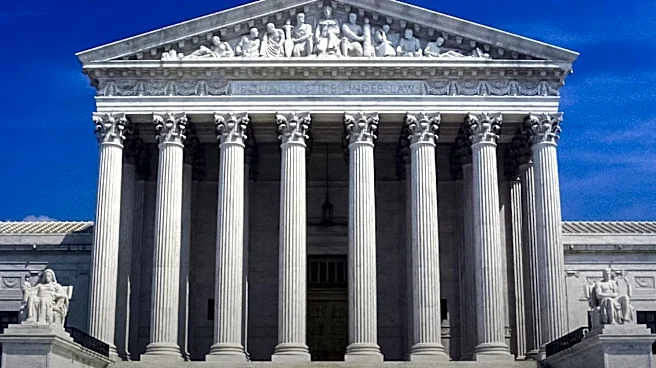
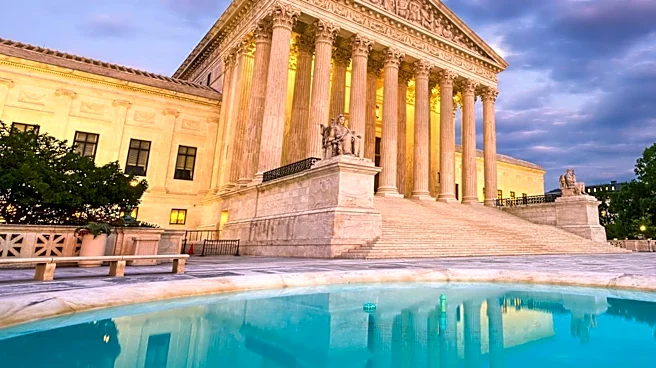
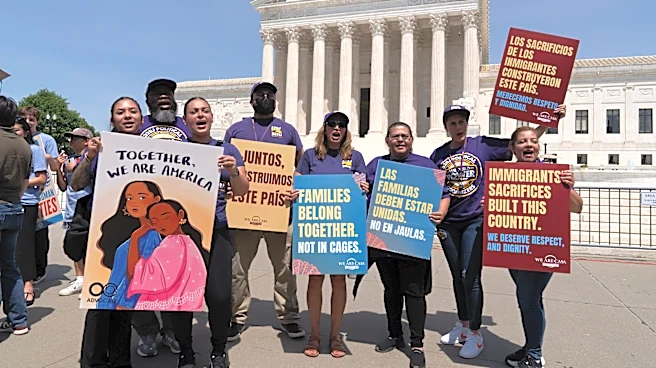
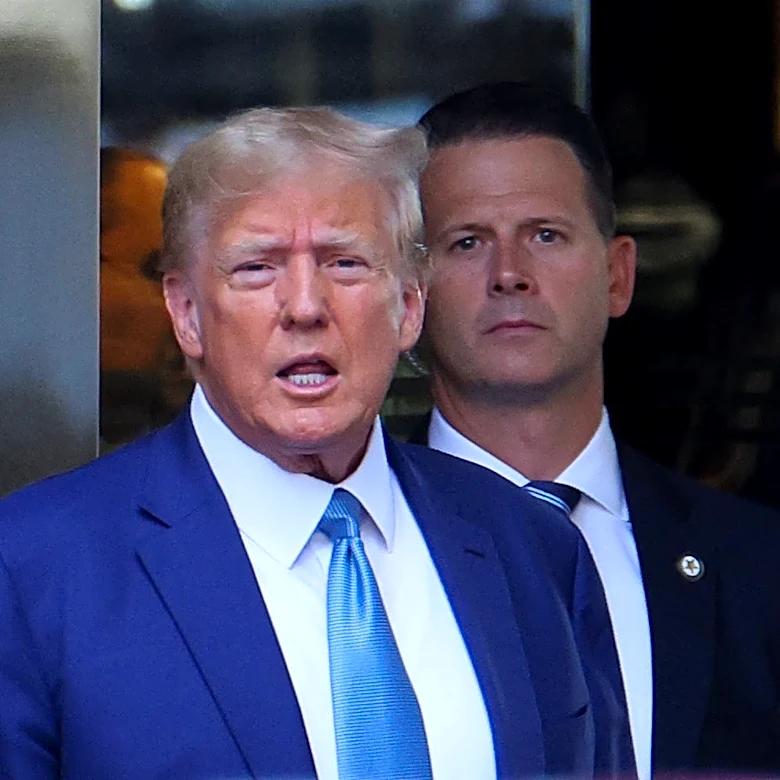
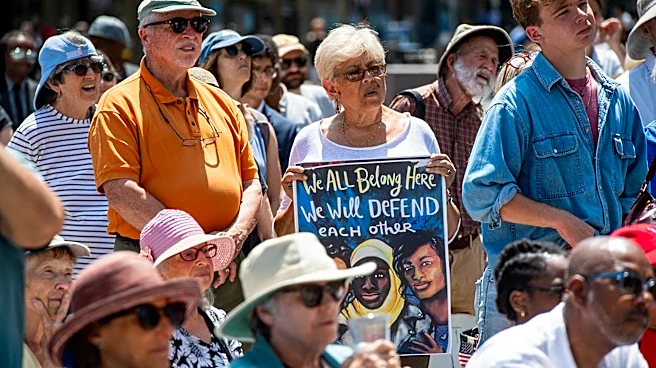
The Supreme Court concluded its term with significant rulings impacting President Trump's policies. In Trump v. Barbara, the court blocked an attempt to limit birthright citizenship, rejecting the administration's effort to narrow the definition of U.S.
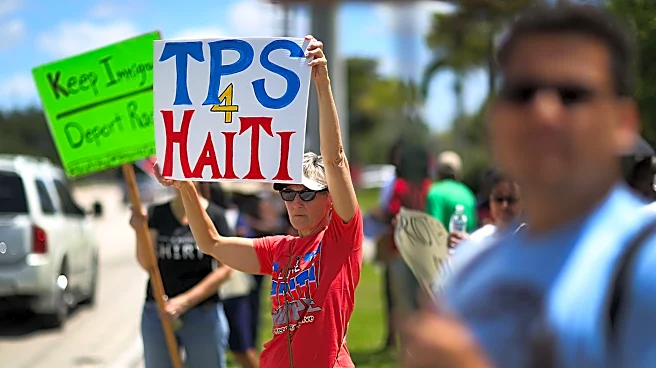
citizenship. Additionally, in Learning Resources v. Trump, the court found that President Trump exceeded his executive power by imposing tariffs, despite his argument that he was protected under the International Emergency Economic Powers Act. However, the court sided with Trump in Trump v. Slaughter, expanding his authority to fire independent commissioners without cause, and in Trump v. Miot, affecting over 350,000 Haitians with Temporary Protected Status. These decisions have raised questions about the Supreme Court's role in relation to the administration.
Why It's Important?
These rulings have significant implications for U.S. policy and governance. The decision to block the limitation on birthright citizenship upholds the 14th Amendment's Citizenship Clause, maintaining the status quo for children born in the U.S. The ruling against the tariffs underscores the limits of executive power, potentially affecting future presidential actions on trade. Conversely, the decisions in Trump v. Slaughter and Trump v. Miot expand presidential authority, which could lead to increased executive influence over independent agencies and immigration policy. These outcomes highlight the ongoing tension between the judiciary and the executive branch, with potential long-term impacts on the balance of power in the U.S. government.
What's Next?
The Supreme Court will return in October with over 20 cases already on the docket, indicating a busy term ahead. The rulings from this term may prompt legislative responses or further legal challenges, particularly concerning immigration and executive authority. Stakeholders, including political leaders and advocacy groups, are likely to continue debating these issues, potentially influencing upcoming elections and policy decisions. The court's future decisions will be closely watched for their impact on the administration's agenda and the broader legal landscape.