



What's Happening?
Drought conditions across the Potomac watershed have significantly improved due to recent weeks of rainfall in the Washington, D.C. region. According to Renee Bourassa with the Interstate Commission on the Potomac River Basin, the area had been under
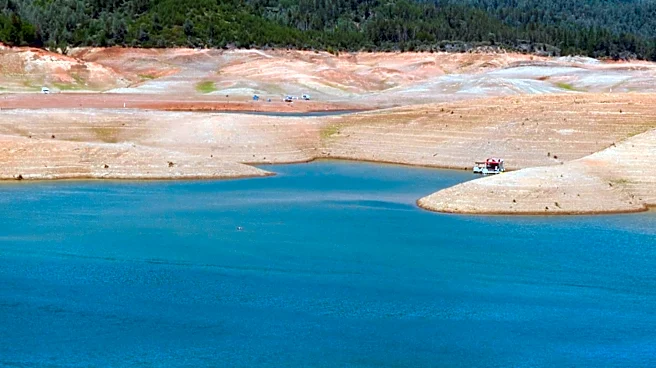
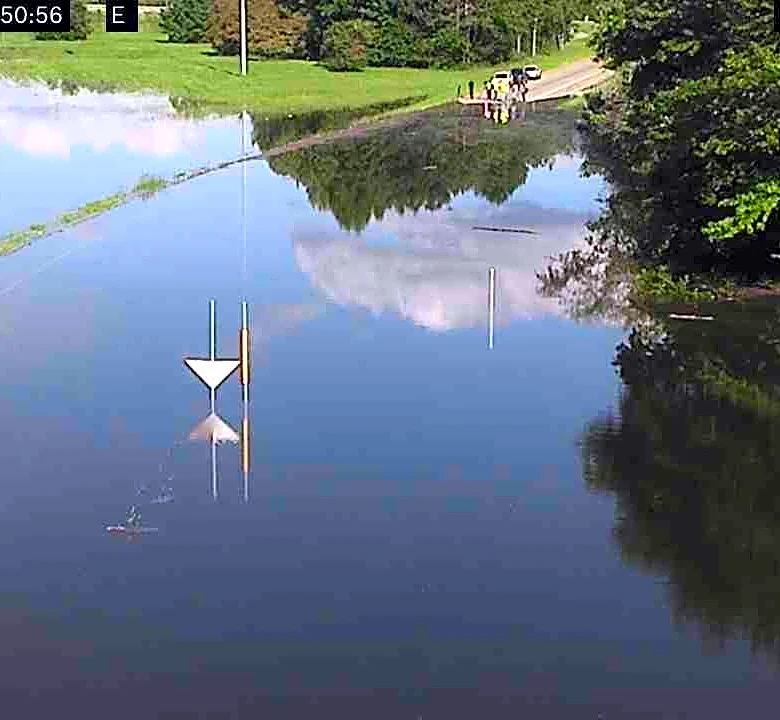
a drought watch after two years of drought. Just a week prior, 12% of the watershed was experiencing severe drought, but this has now been eliminated. River flows are currently above average for this time of year, and reservoir levels have remained full throughout the year, ensuring adequate water supplies for the D.C. area. Despite these improvements, the region remains under a drought watch, and more than 8 inches of rainfall are still needed to reach the average for the past year, with much of the watershed still in moderate drought.
Why It's Important?
The improvement in drought conditions in the Potomac watershed is crucial for the environmental health and economic stability of the Washington, D.C. metropolitan area. The Potomac River serves as a primary source of drinking water for millions of residents, and sustained drought conditions can lead to water restrictions, increased water utility costs, and potential ecological damage to the river system. The full reservoir levels are a positive indicator for public health and daily life, ensuring that the region's water supply remains robust. However, the continued drought watch and the deficit in annual rainfall highlight the ongoing vulnerability to climate variability. This situation underscores the importance of water conservation efforts and sustainable water management practices to safeguard this vital resource for the long term, especially given the 'flashy' nature of the Potomac River, where water levels can change rapidly.
What's Next?
Despite the recent improvements, the region will continue to monitor rainfall and water levels closely, as the drought watch remains in effect. Renee Bourassa emphasized the need for more steady rain to fully recharge groundwater levels and urged residents to continue practicing water conservation. Future actions will likely include ongoing public awareness campaigns about responsible water usage and continued collaboration among water management agencies to ensure the long-term sustainability of the Potomac watershed. The Interstate Commission on the Potomac River Basin will likely continue to issue regular reports on water conditions, guiding policy decisions and public behavior. The long-term outlook will depend on seasonal weather patterns and the effectiveness of regional water management strategies in adapting to changing climate conditions.
Beyond the Headlines
Beyond the immediate relief from drought, this situation highlights the broader challenges of water resource management in the face of climate change. The Potomac watershed's experience with two years of drought followed by recent heavy rains exemplifies the increasing unpredictability of weather patterns. This variability necessitates more resilient infrastructure and adaptive management strategies to cope with both water scarcity and potential flooding. The 'flashy' nature of the river, as described by Bourassa, underscores the need for sophisticated forecasting and rapid response mechanisms. This also brings to light the interconnectedness of urban development, environmental protection, and regional planning, as population growth in the D.C. area places increasing demands on water resources. The ongoing need for water conservation, even during periods of improvement, reflects a shift towards a more conscious and sustainable approach to natural resource utilization.