




What's Happening?
Federal labor law has historically excluded agricultural laborers from the definition of 'employee' under the National Labor Relations Act (NLRA), meaning the National Labor Relations Board (NLRB) generally does not cover them in the same way as workers
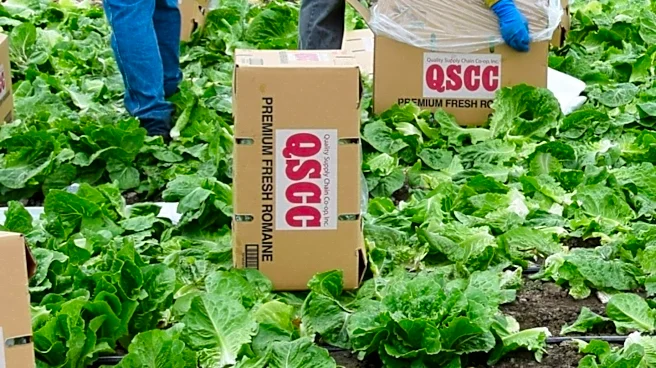
in other industries. This exclusion means that agricultural workers do not have the same federal protections for organizing and collective bargaining as most other private-sector employees. The applicability of this exclusion to a particular dairy worker depends on the specific nature of their work, such as whether it is primarily agricultural or involves more processing or delivery tasks. While the NLRA does not apply, other workplace laws concerning pay, safety, and anti-discrimination may still cover farm workers, though these also often have their own exceptions. Some states have enacted their own laws regarding farm labor and organizing, providing varying levels of protection.
Why It's Important?
The historical exclusion of agricultural workers from federal labor law has significant implications for their rights and working conditions. Without the protections of the NLRA, farm laborers often face challenges in organizing unions to advocate for better wages, benefits, and safer workplaces. This disparity in legal treatment compared to other industries can lead to limited bargaining power for agricultural workers, potentially contributing to long hours, physical risks, and lower pay. The debate surrounding this exclusion highlights fundamental questions about equity and fairness in labor law. Supporters of organizing argue that unions are essential for giving farm workers a voice, while critics, often employers, contend that the unique nature of farm operations, such as seasonal demands and thin margins, makes formal bargaining impractical or costly. The varying state laws further complicate the landscape, creating a patchwork of protections that can differ significantly from one region to another.
What's Next?
The current status of farm labor exclusions under federal law remains a point of contention, with ongoing discussions about whether these exclusions should be modified or eliminated. Any potential changes would likely require legislative action or significant legal challenges to the interpretation of existing laws. In the absence of federal NLRA coverage, workers and advocates will continue to rely on state-level initiatives and other applicable workplace laws to improve conditions. Employers, on the other hand, will need to stay informed about both federal and state regulations, as well as consider best practices for workforce management, including clear communication channels for addressing worker concerns. The debate will likely continue to focus on how to balance the unique operational demands of agriculture with the fundamental rights of workers to organize and collectively bargain.
Beyond the Headlines
The exclusion of agricultural workers from federal labor protections raises profound ethical and social justice questions. It reflects a historical legacy that has often marginalized this essential workforce, many of whom are immigrants or vulnerable populations. The lack of federal union rights can perpetuate cycles of poverty and exploitation, impacting not only the workers themselves but also the broader communities they inhabit. This issue also touches upon the economic viability of farms, with arguments about the potential impact of unionization on food production costs and consumer prices. Addressing this complex issue requires a nuanced approach that considers the economic realities of agriculture while upholding the human and labor rights of farm workers. The ongoing dialogue about this exclusion is part of a larger national conversation about labor reform and the future of work in the U.S., particularly for those in physically demanding and often undercompensated sectors.