





What's Happening?
A new study published in npj Sustainable Agriculture highlights a significant oversight in assessing the environmental impact of animal agriculture: the exclusion of mineral supplements from life cycle assessments (LCAs). Researchers analyzed 109 peer-reviewed
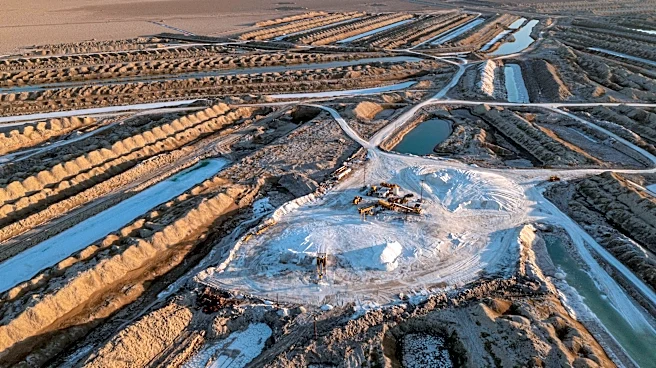
LCAs for farm animals, including cattle, pigs, chickens, fish, and crustaceans, and found that 64% entirely omitted minerals. This omission is even more pronounced in studies concerning fish and crustaceans, with 84% of these studies overlooking mineral supplements, compared to 73% for cattle, 50% for chicken, and 48% for pigs. These minerals, though small in proportion (less than 5% for salmon and 3% for cattle), accumulate to millions of tons annually across billions of farm animals globally. The study emphasizes that the environmental costs associated with mining these minerals, including emissions, harm to wildlife, and biodiversity, significantly increase the overall environmental footprint of meat, fish, dairy, and other animal-sourced foods. Many feed companies lack transparency regarding the origin and mining methods of these minerals, making it difficult to accurately assess their impact.
Why It's Important?
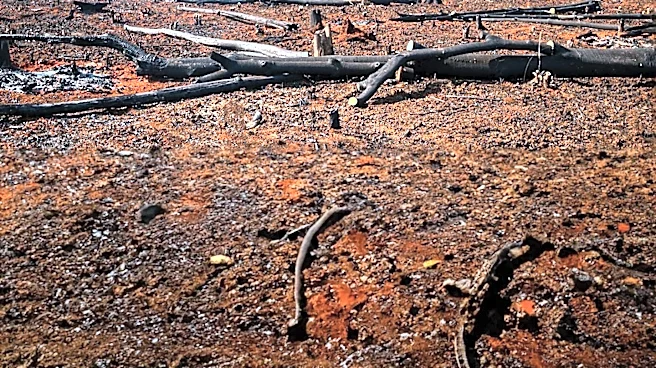
This research is crucial because it uncovers a substantial 'blind spot' in current environmental assessments of the animal agriculture industry, which is a major contributor to global environmental issues. By underestimating the true environmental cost, policymakers, consumers, and industry stakeholders may be making decisions based on incomplete data. The mining industry, which supplies these overlooked minerals, is linked to severe environmental degradation, including air pollution, deforestation, water contamination, and threats to endangered species. The lack of transparency in the mineral supply chain further complicates efforts to promote sustainable practices. This study suggests that the environmental burden of animal products is even greater than previously understood, reinforcing calls for more sustainable diets and comprehensive environmental accounting. It also highlights the need for greater accountability and transparency from feed and mining companies to provide geographically specific information about mineral sourcing.
What's Next?
The findings of this study are likely to prompt increased scrutiny of the animal agriculture supply chain and its environmental reporting. Researchers like Beth Penrose, an associate professor at Charles Darwin University, suggest that the feed industry has a significant 'lever' to demand better information from mineral suppliers. This could lead to pressure on feed companies to improve transparency regarding their mineral sourcing and to incorporate these costs into their environmental assessments. Regulatory bodies and environmental organizations may also push for updated methodologies in life cycle assessments to include mineral extraction impacts. Consumers, armed with this new information, might further shift towards more plant-based diets, aligning with recommendations from organizations like the UN’s Food and Agriculture Organization for reduced consumption of animal products. The agricultural sector may also explore alternative feed formulations or more sustainable mineral sourcing practices to mitigate these newly highlighted environmental costs.
Beyond the Headlines
The study's revelations extend beyond mere environmental accounting, touching upon ethical and systemic issues within the global food system. The '1% rule,' often used in LCAs to exclude materials making up less than 1% of a product, is identified as a potential loophole that allows significant cumulative impacts to be overlooked. This raises questions about the adequacy of current assessment methodologies and the need for a more holistic approach to sustainability. The long and opaque supply chains for minerals, involving multiple intermediaries, highlight a systemic lack of traceability and accountability. This complexity makes it challenging to implement effective environmental safeguards and ensure responsible sourcing. Ultimately, this research underscores the interconnectedness of various industries—agriculture, mining, and feed production—and the necessity for integrated solutions to achieve true sustainability. It also calls into question the true 'cost' of cheap food and the hidden environmental subsidies embedded within current production models.