


What's Happening?
The current strong El Niño phenomenon is causing a significant drop in sea levels around Australia and the Coral Triangle, while simultaneously raising them in the eastern Pacific. This sea-saw effect is leading to mass die-offs of mangrove forests, with
corals and seagrass meadows also being impacted. During previous super El Niños in 1982/83 and 2015/16, mass diebacks of mangroves occurred in northern Australia, including a 76-square-kilometer loss in the Gulf of Carpentaria in 2015 due to a prolonged 40 to 50-centimeter sea-level drop. Experts like Norman Duke from James Cook University note that these events coincided with periods of low rainfall, causing mangroves to die from lack of moisture. The current El Niño is producing a greater swing in sea levels, with some areas in the western Pacific experiencing lower levels than in 2015.
Why It's Important?
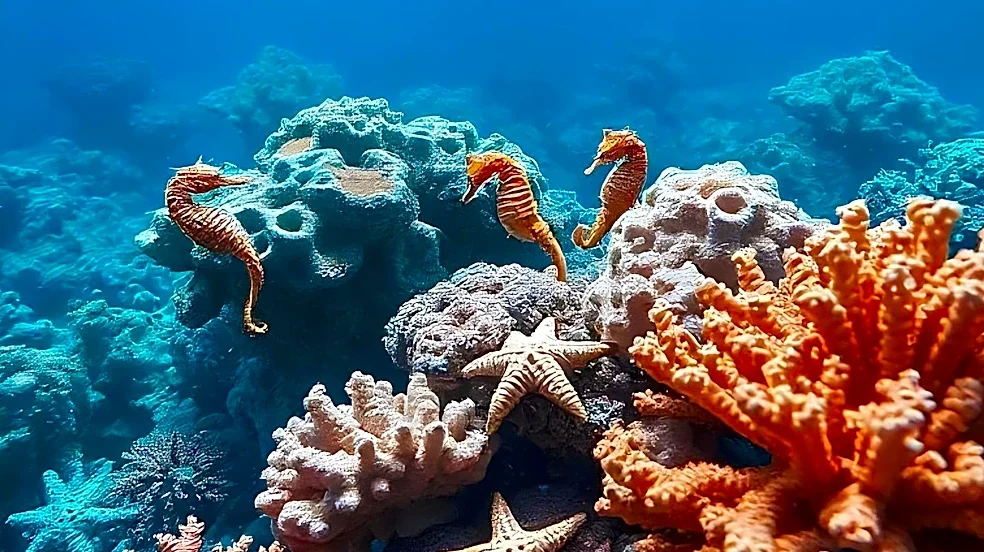
The falling sea levels in the western Pacific pose a severe threat to critical marine ecosystems, including mangrove forests, coral reefs, and seagrass meadows. These ecosystems are vital for coastal protection, biodiversity, and supporting local economies through fisheries and tourism. Mass die-offs can lead to increased coastal erosion, loss of habitat for numerous species, and reduced carbon sequestration capacity. The impact extends beyond environmental concerns, potentially affecting the livelihoods of communities dependent on these ecosystems. The phenomenon highlights the far-reaching and complex consequences of El Niño events, underscoring the interconnectedness of global climate patterns and local ecological health.
What's Next?
Scientists will continue to monitor sea levels and the health of mangrove, coral, and seagrass ecosystems in the affected regions. The extent of dieback during this El Niño will depend on factors such as rainfall levels and tidal cycles. Research efforts are ongoing to quantify the relative contributions of sea-level fall and marine heatwaves to coral bleaching and die-offs. Understanding these dynamics is crucial for developing effective conservation and management strategies. The long-term implications could include increased vulnerability of coastlines to storms and further declines in marine biodiversity, necessitating international cooperation for ecosystem restoration and climate adaptation.
Beyond the Headlines
This situation underscores the delicate balance of marine ecosystems and their susceptibility to climate variability. The less obvious implication is the potential for cascading effects throughout the marine food web, as the loss of foundational species like mangroves and corals can disrupt entire ecosystems. Ethically, it raises questions about global responsibility for climate-driven events and the disproportionate impact on vulnerable ecosystems and communities. Legally, it could influence international climate agreements and conservation policies, pushing for more robust measures to protect marine environments. Culturally, the loss of these natural resources can impact indigenous communities that have deep historical and spiritual connections to these coastal habitats.