





What's Happening?
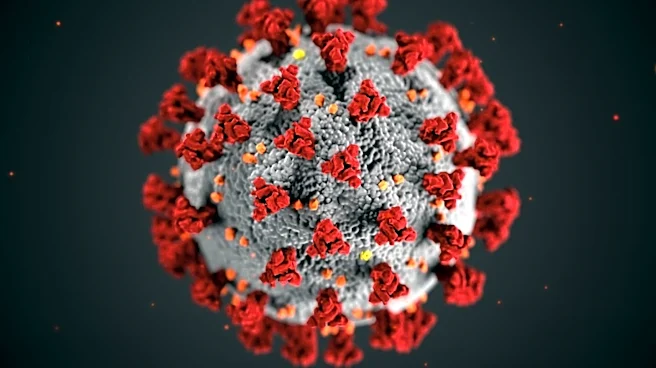
Researchers from Celloram Inc., University Hospitals, and Case Western Reserve University have developed a novel cancer vaccine platform called PROTEXI, which utilizes the immune memory generated by SARS-CoV-2 infection and vaccination to fight cancer.
This innovative approach aims to redirect pre-existing antiviral immune memory to enhance the body's ability to recognize and destroy tumors. The vaccine has shown promising results in preclinical models of melanoma and breast cancer, slowing tumor growth and improving survival. PROTEXI is advancing toward first-in-human clinical trials in sarcoma patients, with the potential to transform cancer immunotherapy.
Why It's Important?
The development of PROTEXI represents a significant advancement in cancer immunotherapy, offering a new strategy to harness the immune system's existing memories to combat cancer. This approach could overcome the limitations of traditional cancer vaccines, which often struggle to generate robust immune responses. By leveraging the widespread immune memory from COVID-19, PROTEXI has the potential to provide a more effective and durable antitumor response. This innovation could lead to new treatment options for patients with immune-cold and therapy-resistant tumors, addressing a critical unmet need in oncology.
What's Next?
The next steps for PROTEXI involve advancing to first-in-human clinical trials in sarcoma patients, which will evaluate the safety and efficacy of this novel vaccine platform. If successful, PROTEXI could pave the way for broader applications across various cancer types, potentially in combination with other immunotherapies. The collaboration between Celloram, University Hospitals, and Case Western Reserve University will be crucial in translating these promising preclinical findings into clinical success. The outcome of these trials will determine the future of PROTEXI as a transformative cancer treatment.