





What's Happening?
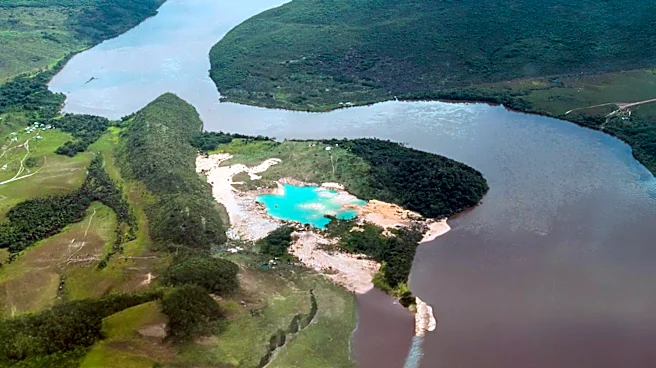
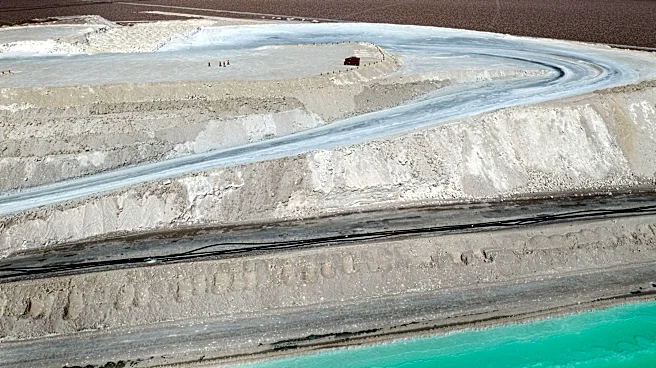
Representatives from six Latin American countries—Ecuador, Mexico, Panama, Dominican Republic, Colombia, and Argentina—testified before the Inter-American Commission on Human Rights. They allege that mining operations controlled by Canadian companies
are contaminating local water sources, impacting millions of people. The testimonies highlighted threats to biodiverse habitats, human health, and freshwater systems due to policies that permit polluting foreign industries. Witnesses also pointed out the severe risks faced by environmental defenders in the region, which is historically the most dangerous globally for such activists. Last year, Colombia recorded 39 activist murders, followed by Brazil with 26 and Honduras with 12. These allegations come shortly after Canada eliminated its Office of the Canadian Ombudsperson for Responsible Enterprise (CORE), an entity designed to oversee and investigate Canadian companies operating abroad. This decision has drawn widespread criticism from human rights and environmental organizations, who argue it undermines Canada's commitments to human dignity and environmental protection.
Why It's Important?
This situation underscores significant concerns regarding corporate accountability and environmental justice in Latin America, particularly concerning the operations of foreign-owned mining companies. The alleged pollution of water supplies directly impacts public health, local ecosystems, and the livelihoods of communities dependent on these resources. The testimony before a human rights commission elevates these issues to an international legal and ethical platform, potentially pressuring Canada to re-evaluate its oversight mechanisms for companies operating abroad. The elimination of CORE is particularly critical, as it removes a key avenue for investigating and addressing grievances against Canadian firms, leaving affected communities with fewer recourse options. This could set a precedent that weakens corporate social responsibility standards globally, especially for industries with high environmental impacts.
What's Next?
The representatives hope their testimonies will compel Canada to adopt more stringent human rights and environmental standards for its mining companies operating internationally. The Inter-American Commission on Human Rights may issue recommendations or rulings that could influence Canadian policy or corporate practices. International human rights and environmental organizations are likely to continue advocating for the reinstatement or strengthening of oversight bodies like CORE. The ongoing pressure from affected communities and international bodies could lead to increased scrutiny of Canadian mining operations in Latin America, potentially resulting in new regulations, corporate policy changes, or legal actions against companies found to be in violation of environmental and human rights standards.
Beyond the Headlines
The broader implications of these allegations extend to the complex interplay between economic development, environmental protection, and human rights. The case highlights the vulnerability of indigenous communities and environmental defenders who often bear the brunt of industrial pollution and face severe risks when opposing powerful corporate interests. It also raises questions about the responsibility of home countries, like Canada, to regulate the overseas activities of their corporations to prevent harm. The situation could spark a wider debate on international legal frameworks for corporate accountability, the role of human rights commissions in addressing environmental injustices, and the need for more robust protections for environmental activists globally. This could lead to long-term shifts in how multinational corporations are expected to operate in developing nations, emphasizing sustainable practices and respect for local communities.