








What's Happening?
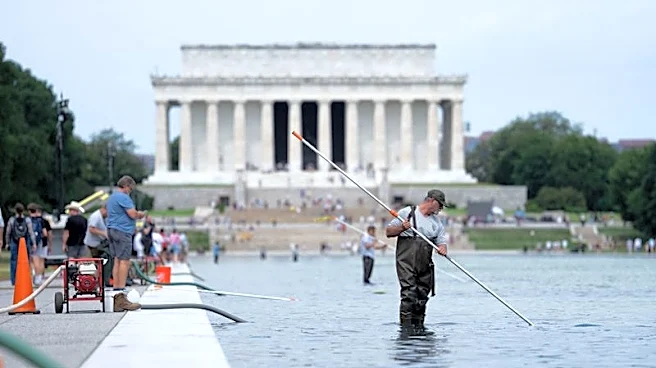
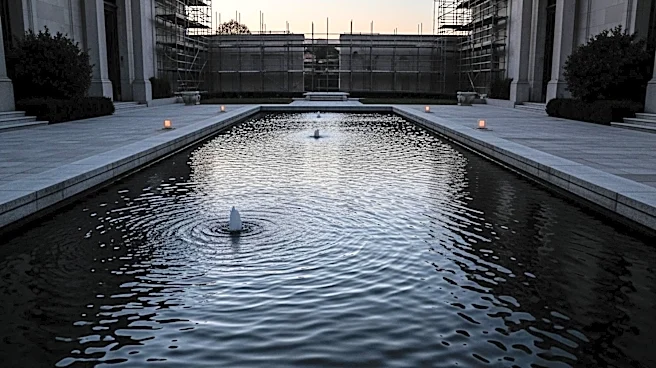
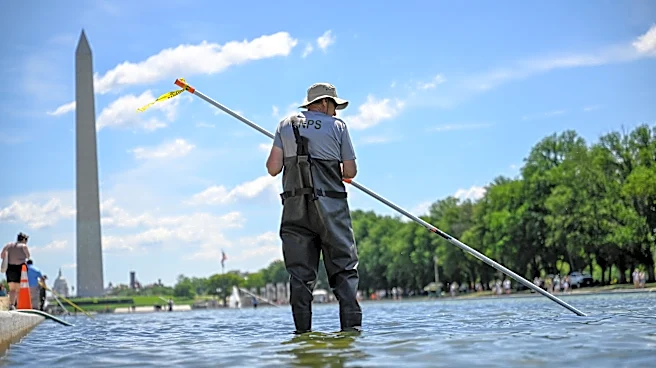
David Hearn, a former Olympic canoe racer, was arrested for allegedly vandalizing the Reflecting Pool in Washington, D.C. The incident occurred during a $14-million rehabilitation project initiated by President Trump for the nation's 250th anniversary.
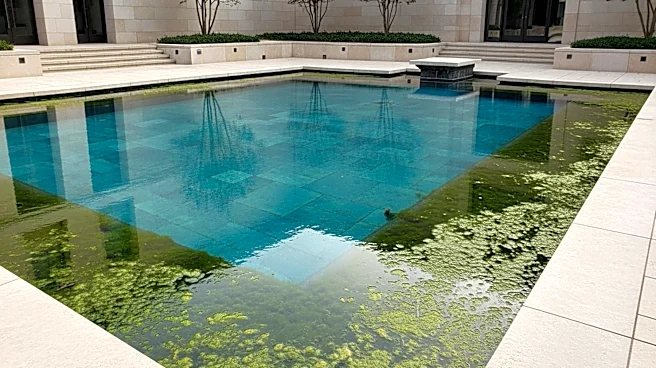
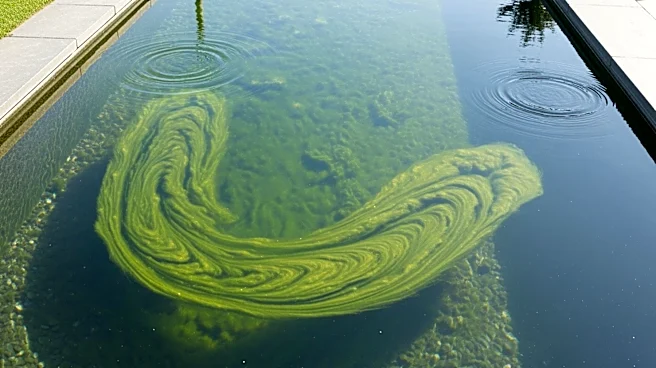
Hearn, who owns a company that manufactures composite materials for watercraft, was reportedly detained by National Guard troops and Park Police for five hours after he touched the pool's peeling new coating. President Trump announced multiple arrests related to vandalism at the site, although specific details were not provided. The Reflecting Pool's renovation aimed to replace its algae-stained green appearance with an 'American flag blue' lining, but the new coating quickly reverted to green, prompting further treatment and maintenance issues.
Why It's Important?
The arrest of David Hearn highlights ongoing challenges in maintaining national landmarks and the complexities involved in large-scale renovation projects. The Reflecting Pool, a significant historical site, is undergoing a costly rehabilitation to enhance its appearance and functionality. The incident underscores the importance of preserving public spaces and the potential legal consequences of interfering with such projects. It also reflects broader issues of vandalism and security at national monuments, which can impact public perception and government spending. The situation may influence future policies on monument preservation and security measures.
What's Next?
David Hearn is scheduled to appear in court next month, where he will likely face charges related to the alleged vandalism. The outcome of his case could set a precedent for similar incidents involving national landmarks. Meanwhile, federal authorities may increase security measures around the Reflecting Pool to prevent further vandalism. The rehabilitation project will continue, with efforts to address the peeling coating and algae issues. Stakeholders, including the National Park Service and Interior Department, may review and adjust their strategies for maintaining and protecting public spaces.