


What's Happening?
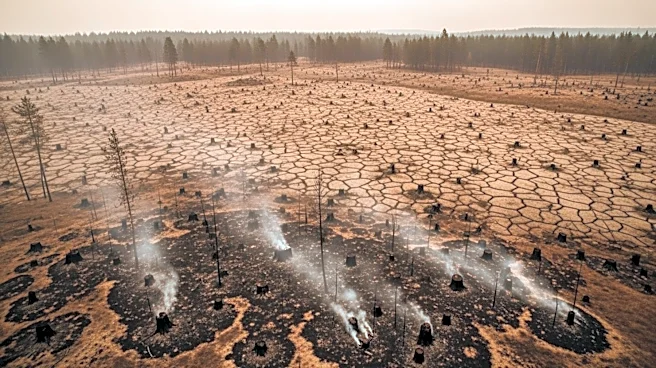
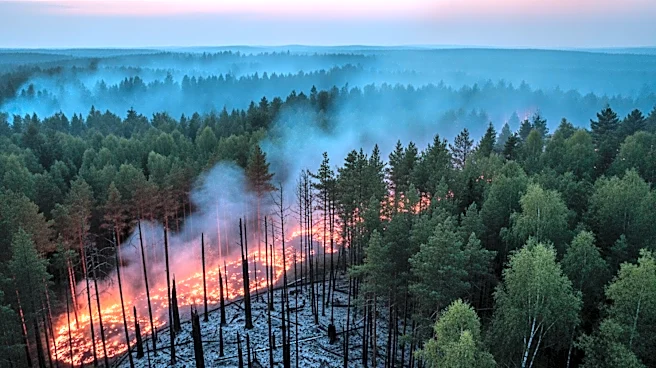
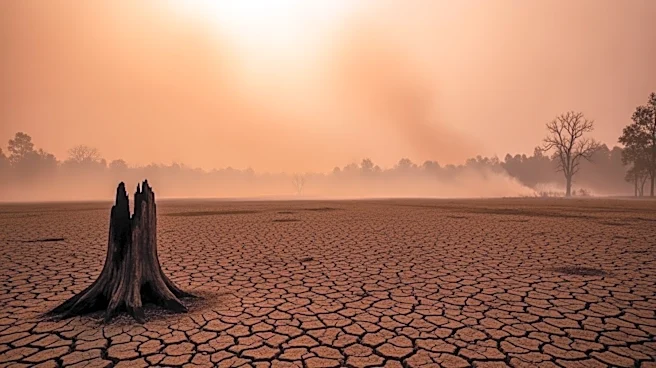
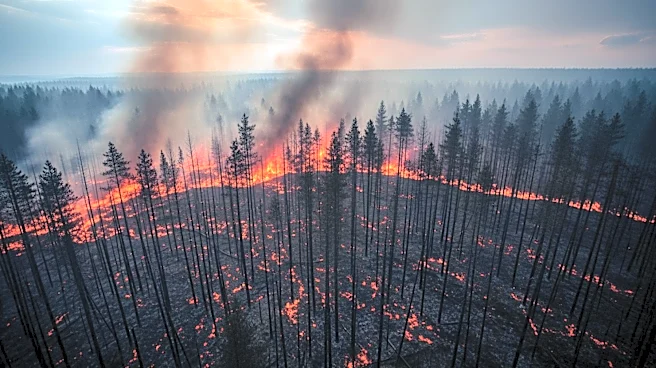
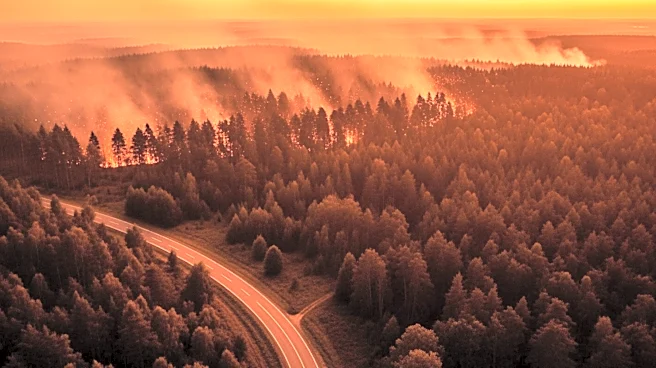
A series of wildfires in Georgia and Florida have resulted in the death of a volunteer firefighter and the destruction of over 120 homes. In Georgia, the fires have been exacerbated by extreme drought conditions, gusty winds, and residual debris from
past hurricanes. The Brantley County fire, suspected to have been ignited by a foil balloon touching power lines, has destroyed 87 homes, marking a historic level of destruction in the state. In Florida, volunteer firefighter James 'Kevin' Crews died from a medical emergency while combating a brush fire. The fires have prompted evacuation orders for thousands of residents as firefighters work to contain the blazes.
Why It's Important?
These wildfires highlight the increasing vulnerability of regions to natural disasters, exacerbated by climate change and environmental conditions. The loss of homes and lives underscores the urgent need for effective disaster management and mitigation strategies. The economic and social impacts are significant, with displaced families facing uncertainty and communities grappling with the aftermath. The situation also raises questions about infrastructure resilience and the role of human activities in triggering such disasters.
What's Next?
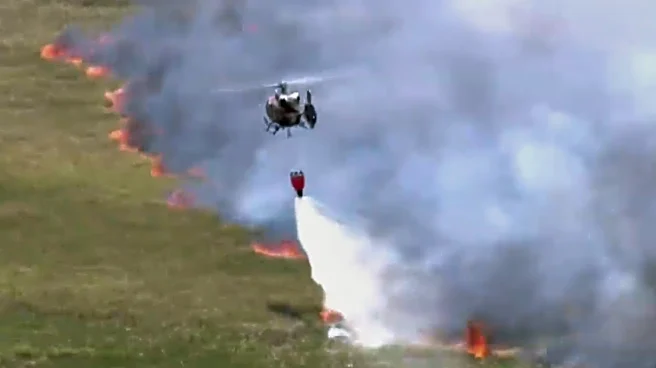
Efforts to contain the fires continue, with firefighters focusing on protecting homes and creating fire breaks. However, the need for substantial rainfall to fully extinguish the fires remains critical. The forecasted weather conditions, including potential thunderstorms, could either aid in firefighting efforts or exacerbate the situation with new fire risks. Long-term, there is a need for improved fire prevention strategies and community preparedness to mitigate future risks.