






What's Happening?
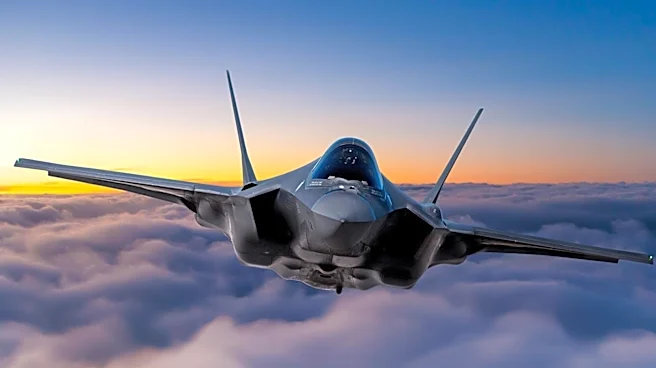
BAE Systems has been awarded a contract by Lockheed Martin to supply high-performance electronic warfare (EW) systems for the F-35 Lightning II fighter jets. These systems are designed to enhance the F-35's situational awareness and self-protection capabilities
on the battlefield. The AN/ASQ-239 EW system, developed by BAE Systems, provides the F-35 with electromagnetic spectrum superiority, enabling it to operate effectively in contested environments against enemy fighters, missiles, drones, and integrated air defense systems. The system features instantaneous bandwidth, high-speed signal processing, and advanced algorithms for threat detection and rapid response. BAE Systems has a long-standing collaboration with Lockheed Martin and the F-35 Joint Program Office, having already delivered over 1,500 EW systems for the F-35. Production and manufacturing of these systems occur at BAE Systems' facilities in Austin, Texas, and in Manchester, Merrimack, and Nashua, New Hampshire. The company is focused on scaling production and delivering software-based capabilities to meet the demands of modern conflict.
Why It's Important?
This contract underscores the ongoing commitment to maintaining and advancing the technological superiority of U.S. military aircraft, particularly the F-35, which is a cornerstone of tactical airpower. The high-performance EW systems are crucial for ensuring the F-35's ability to operate in complex and contested airspace, directly impacting national security and defense capabilities. The continuous evolution of EW hardware and software, as highlighted by Amber Dolan, Vice President of F-35 Solutions at BAE Systems, is vital for warfighters to maintain a decisive advantage. The investment in these advanced systems supports the U.S. defense industrial base, particularly in Texas and New Hampshire, through manufacturing and job creation. Furthermore, the ability to quickly update the system with software provides an agile response to evolving threats, ensuring the F-35 remains effective against adversaries with advanced air defense systems. This contract also signifies the continued reliance on specialized defense contractors like BAE Systems to provide critical components for sophisticated military platforms.
What's Next?
Under the terms of the contract, BAE Systems will proceed with the manufacturing and delivery of EW systems for F-35 Lots 20-22. Additionally, the company will provide systems for retrofitting and modernizing older F-35 aircraft, ensuring the entire fleet benefits from the latest technological advancements. BAE Systems plans to leverage automation, advanced system designs, and a robust supply chain to accelerate production. The company has also made strategic investments in its facilities to enhance its capacity for creating and sustaining more systems at an increased pace. This ongoing production and modernization effort will ensure that F-35 pilots continue to have the advantage of passive, long-range sensing, allowing them to detect and act on threats proactively. The focus will remain on integrating software-based capabilities to adapt to the rapid pace of conflict and maintain the F-35's operational effectiveness.
Beyond the Headlines
The continuous development and integration of advanced electronic warfare systems like the AN/ASQ-239 highlight a broader strategic shift in modern military doctrine towards electromagnetic spectrum superiority. This emphasis reflects the understanding that control of the electromagnetic spectrum is as critical as air or ground superiority in contemporary warfare. The ability to make the F-35 difficult to detect and highly effective in contested environments through EW technology has profound implications for the future of air combat, potentially reducing the need for traditional kinetic engagements in certain scenarios. This also points to the increasing importance of software-defined capabilities in defense systems, allowing for rapid adaptation to new threats without extensive hardware modifications. The long-term impact could include a re-evaluation of pilot training, maintenance protocols, and even international defense partnerships as allies seek to integrate similar advanced EW capabilities into their own fleets. The ethical considerations surrounding autonomous or semi-autonomous EW responses in rapidly evolving combat situations will also likely become a more prominent discussion point.