






What's Happening?
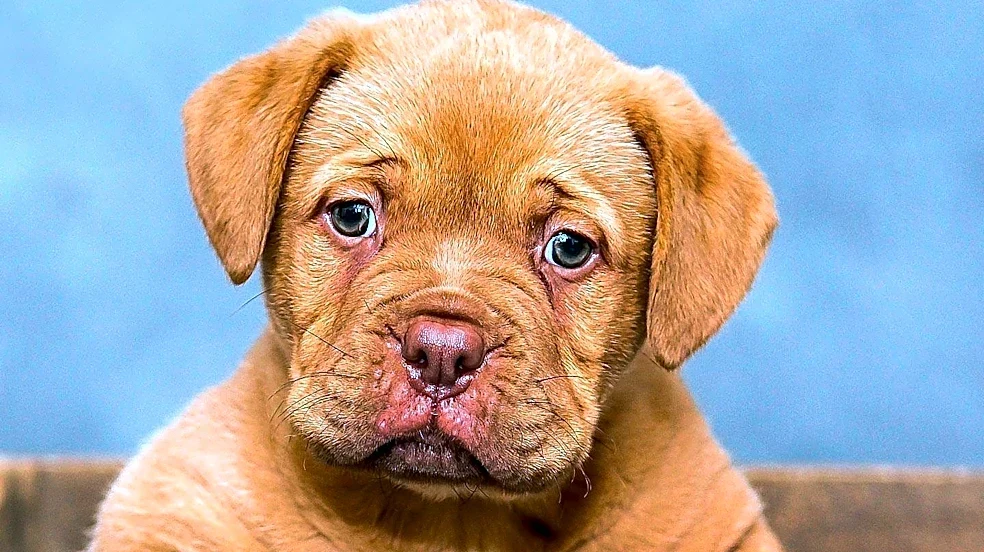
The Idaho Animal Rescue Network (IARN) is actively investigating the commercial supply chain that funnels puppies from breeding facilities, including those in other states like Missouri, Kansas, and Iowa, to pet stores in Idaho. This 'puppy mill-to-pet
store pipeline' often involves brokers who collect puppies from various breeders, making it difficult for consumers to ascertain the conditions under which the animals were bred. While some breeders prioritize animal welfare, others focus on quantity over humane conditions. IARN highlights that the appearance of a puppy in a retail display does not reveal the network of breeders, brokers, and transporters involved, nor the living conditions of the adult dogs left behind. The organization notes that even USDA licenses or American Kennel Club registrations do not guarantee humane treatment, as these often pertain to pedigree or basic compliance rather than comprehensive animal welfare. IARN's research has connected out-of-state breeders to Idaho pet stores and is also examining local breeding operations with concerning living conditions.
Why It's Important?
This investigation is crucial for consumer protection and animal welfare in the U.S. It sheds light on the often-opaque practices within the commercial pet industry, where the desire for profit can overshadow the ethical treatment of animals. Consumers, particularly in Idaho, are frequently unaware of the origins of their pets, potentially contributing to a system that perpetuates inhumane breeding practices. The lack of transparency regarding breeder information, veterinary records, and transportation details can lead to significant financial and emotional burdens for new pet owners who discover their puppies suffer from illnesses or congenital conditions. By exposing these pipelines, IARN aims to empower consumers with the knowledge to make informed decisions and pressure retailers and breeders to adopt more humane standards. This initiative could also influence regulatory bodies to strengthen oversight and enforcement in the commercial breeding sector, ensuring better welfare for breeding dogs and their offspring.
What's Next?
The Idaho Animal Rescue Network plans to release further findings from its ongoing investigation, providing a more detailed look at the breeders, retailers, and documentation behind these connections. This upcoming coverage is expected to increase transparency and accountability within the pet retail industry in Idaho. Consumers are advised to ask pet stores for comprehensive information about a puppy's origin, including the breeder's full name and location, USDA license details, and whether a broker was involved. They should also request veterinary and transportation records and be wary of sellers who pressure them to buy immediately or delay providing documentation. IARN encourages individuals with concerns about suspected neglect or misleading sales practices to report them to appropriate agencies, retaining all relevant contracts, advertisements, receipts, and veterinary records as evidence. This continued scrutiny is likely to prompt discussions among stakeholders, including pet store owners, breeders, and animal welfare advocates, about improving industry standards and consumer safeguards.
Beyond the Headlines
The issue of puppy mills extends beyond individual cases of neglect, touching upon broader ethical and systemic challenges within the commercial animal breeding industry. The reliance on certifications like USDA licenses, which may not fully reflect animal welfare, highlights a gap in current regulatory frameworks. This situation underscores the need for a more holistic approach to animal welfare, one that considers the entire life cycle of breeding animals and their offspring. The emotional and financial toll on families who unknowingly purchase sick puppies from these operations also raises questions about consumer rights and the responsibility of retailers. Furthermore, the investigation by IARN could catalyze a shift in public perception, encouraging more adoptions from shelters and rescues rather than purchases from pet stores that source from commercial breeders. This could ultimately lead to a re-evaluation of the commercial breeding model and a greater emphasis on ethical sourcing and animal well-being across the U.S. pet industry.