




What's Happening?
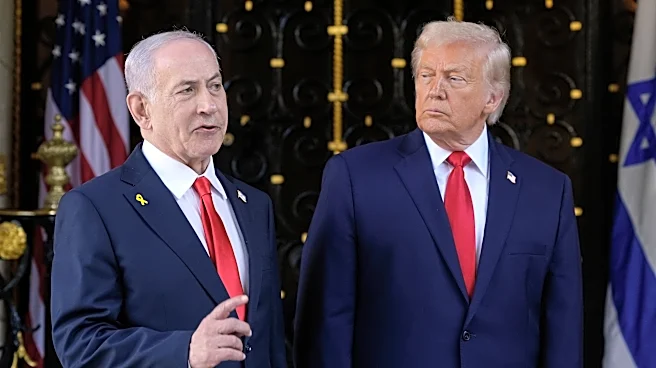
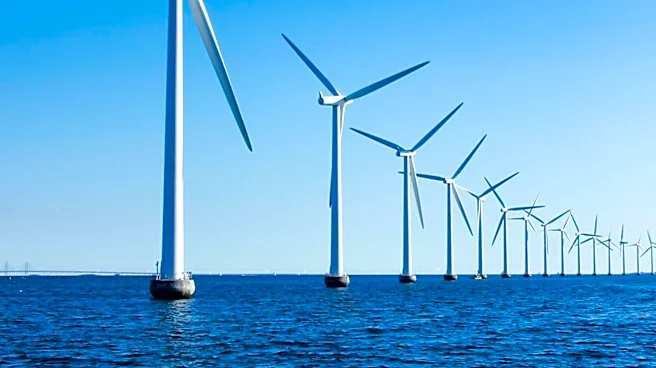
President Trump has taken significant steps to cancel offshore wind farm projects, redirecting funds towards fossil fuel initiatives. Since March, the Trump administration has struck agreements with private companies to cancel at least nine offshore wind leases,
pledging over $2.7 billion in refunds. These agreements involve companies like TotalEnergies, which received $928 million for two offshore wind leases, subsequently reinvesting in fossil fuels. The administration argues that this shift will reduce costs and boost energy reliability. However, clean energy advocates criticize these actions, claiming they hinder efforts to reduce greenhouse gas emissions and eliminate a technology that could lower energy prices. The legality of these buyouts, funded by taxpayer dollars, is under scrutiny, with states like Massachusetts and New York filing lawsuits against the administration.
Why It's Important?
The cancellation of offshore wind projects by the Trump administration has significant implications for the U.S. energy landscape. By redirecting funds to fossil fuels, the administration is reversing efforts to establish a renewable energy industry, potentially impacting the country's ability to meet climate goals. Offshore wind farms could have powered millions of homes, contributing to reduced greenhouse gas emissions and lower energy costs. The administration's actions have sparked legal challenges from states, highlighting tensions between federal and state energy policies. The outcome of these lawsuits could influence future energy strategies and the balance between renewable and conventional energy sources in the U.S.
What's Next?
Legal battles are expected to continue as states challenge the Trump administration's use of the Judgment Fund to cancel wind leases. The administration has not yet responded to these lawsuits, and further legal actions are anticipated. The outcome of these cases could set precedents for federal energy policy and the use of taxpayer funds in energy projects. Additionally, the impact on other renewable energy initiatives remains uncertain, as stakeholders assess the implications of the administration's strategy on broader climate and energy goals.
Beyond the Headlines
The Trump administration's approach to energy policy reflects broader ideological divides over climate change and energy independence. The decision to prioritize fossil fuels over renewable energy sources raises questions about the long-term sustainability of U.S. energy policy. The administration's actions may influence public perception of renewable energy and its role in addressing climate change. Furthermore, the legal challenges could lead to increased scrutiny of government spending and accountability in energy projects.