


What's Happening?
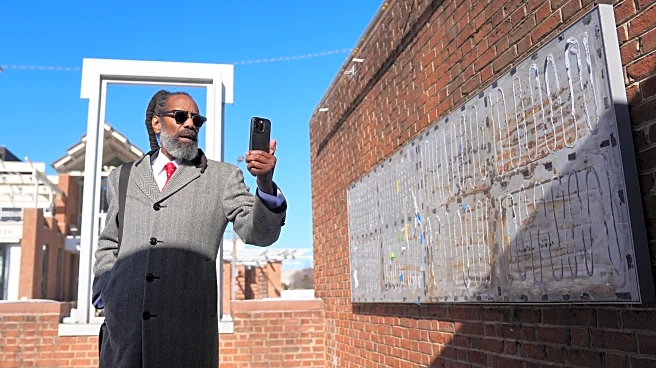
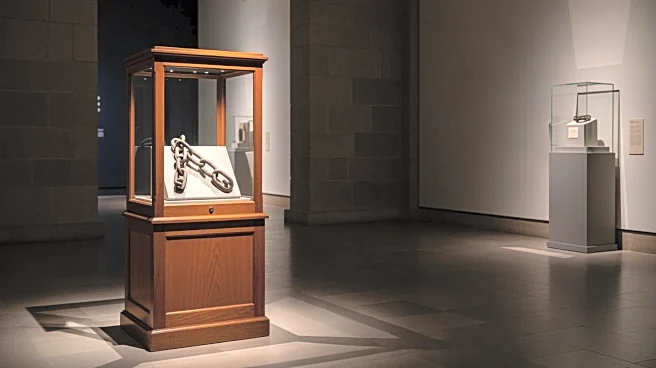
A federal judge has sharply criticized the Department of Justice (DOJ) over the removal of materials discussing slavery from George Washington's former Philadelphia residence. The exhibit, located on Independence Mall, was created by the City of Philadelphia in partnership
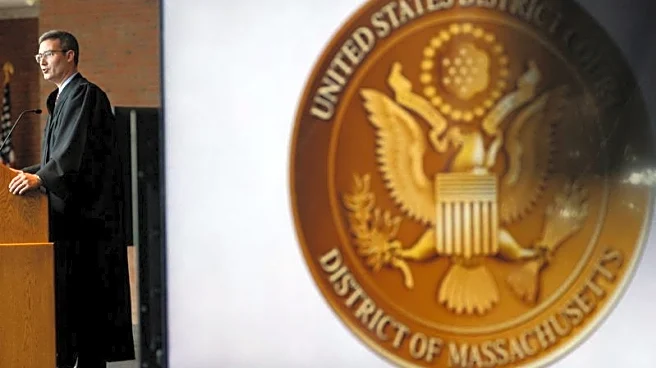
with the National Park Service and highlighted the lives of nine enslaved individuals who lived and worked in Washington's home. The removal was reportedly carried out under an executive order from President Trump aimed at 'restoring truth and sanity to American history.' Senior U.S. District Judge Cynthia Rufe expressed strong disapproval of the DOJ's actions, emphasizing that history cannot be erased once learned. The judge's comments came during a hearing where plaintiffs are seeking to have the exhibit restored.
Why It's Important?
This case underscores the ongoing debate over how American history, particularly the history of slavery, is presented and interpreted in public spaces. The removal of the exhibit has sparked concerns about historical revisionism and the potential erasure of important narratives. The judge's criticism highlights the judiciary's role in safeguarding historical integrity against political influences. The outcome of this case could influence how historical exhibits are managed and protected, particularly those addressing sensitive or controversial topics.
What's Next?
Judge Rufe has instructed the DOJ to ensure that the remaining materials are not further damaged and plans to personally inspect the removed materials. A ruling is expected soon, especially with the upcoming 250th anniversary of the United States, which is likely to draw increased attention to historical sites. The decision could set a precedent for how historical narratives are preserved and presented in federal and public spaces.