

What's Happening?
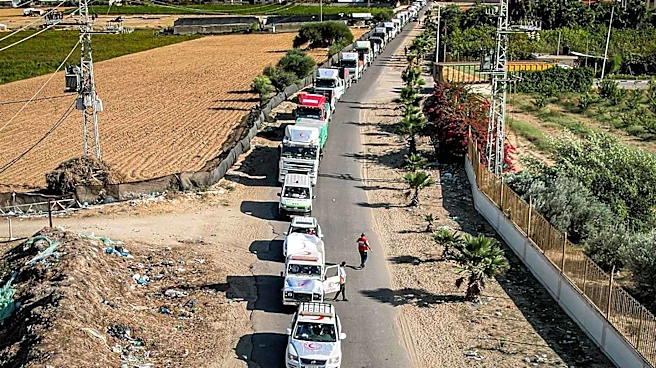
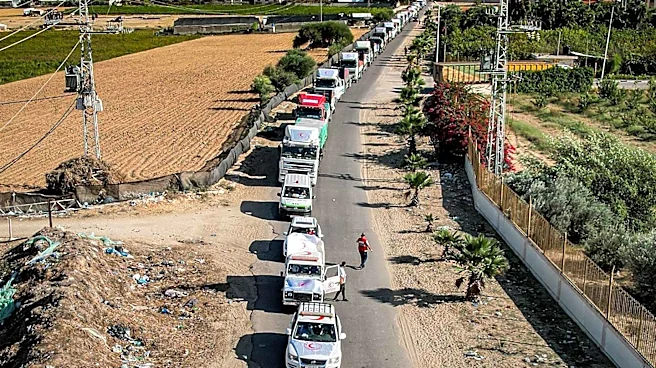
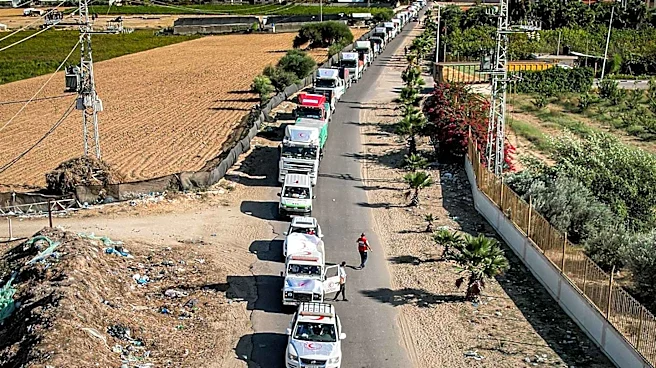
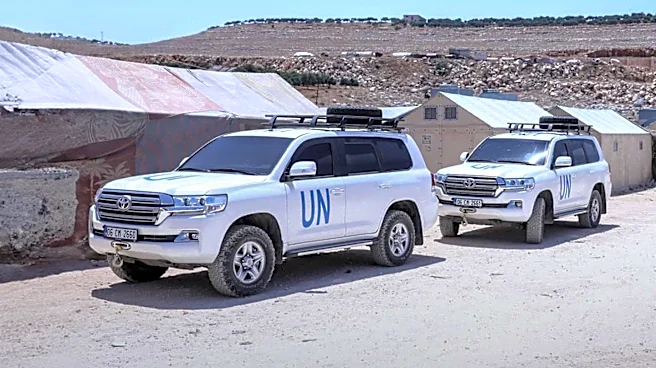
The United Nations is calling for the immediate opening of all crossings into the Gaza Strip to facilitate the delivery of urgent winter aid. UN Under-Secretary-General for Humanitarian Affairs and Emergency Relief Coordinator Tom Fletcher highlighted
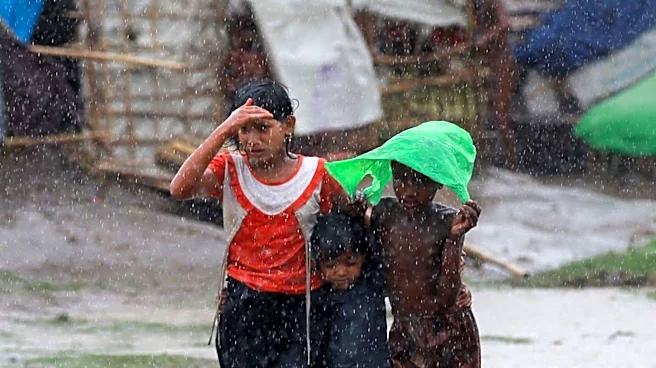
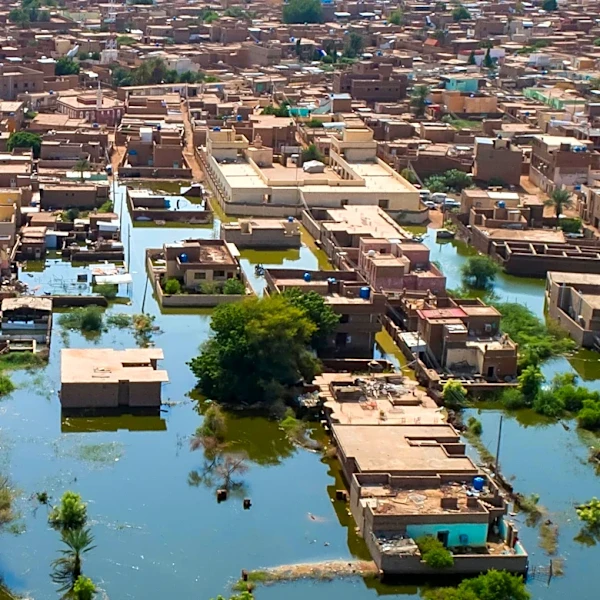
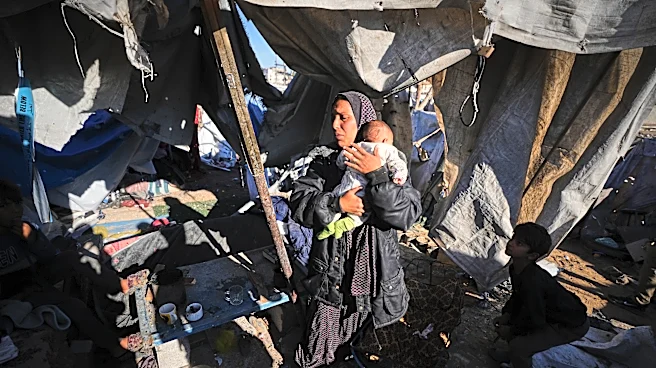
that heavy rains and subsequent flooding have displaced thousands and exacerbated an already dire humanitarian situation. Initial estimates indicate over 200,000 people in Gaza have been affected by the recent weather, with more than 40,000 families experiencing damage to their shelters. Fletcher emphasized that the UN had previously submitted a clear plan for essential winter supplies, including durable shelters, warm clothing, blankets, safe heating solutions, fuel, generators, and pumps for floodwater removal and rubble clearance. He warned that many of the current risks could have been mitigated if adequate shelter and supplies were allowed into Gaza and if Palestinians had access to less flood-prone areas. The UN and its partners are currently engaged in pumping water, improving drainage, reinforcing displacement sites, and distributing emergency supplies, but severe shortages of equipment and materials are hindering their efforts.
Why It's Important?
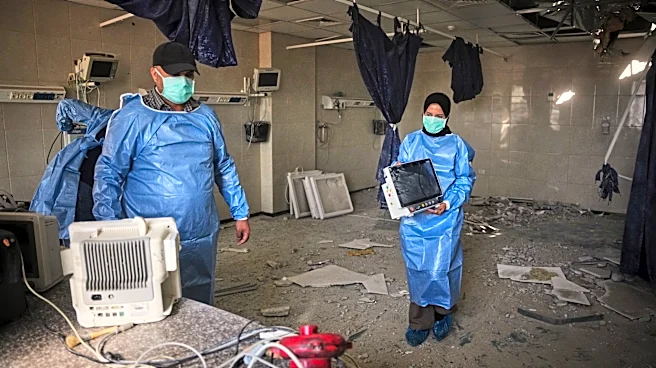
The call for unhindered aid access to Gaza is critical due to the rapidly deteriorating humanitarian conditions, particularly with the onset of winter. The flooding has compounded the challenges faced by a population already struggling with displacement and damaged infrastructure, raising significant public health concerns. The inability to bring in essential supplies, including shelter materials and medical aid, directly impacts the survival and well-being of hundreds of thousands of individuals. This situation underscores the broader implications of restricted access in conflict zones, where humanitarian aid becomes a lifeline. The UN's repeated warnings about the need for winter preparedness highlight a systemic issue of delays and restrictions that prevent timely and effective humanitarian responses. The lack of operational wastewater treatment plants further exacerbates the sanitation crisis, increasing the risk of waterborne diseases and other preventable illnesses among a vulnerable population. The international community's ability to provide aid is being tested, with direct consequences for human lives.
What's Next?
The immediate next steps involve continued advocacy from the UN and other international bodies for the opening of all Gaza crossings and the expedited approval of essential humanitarian supplies. Humanitarian organizations will persist in their efforts to provide emergency relief, including water pumping, drainage improvements, and distribution of available supplies, despite existing limitations. There will likely be ongoing diplomatic pressure on relevant authorities to lift restrictions on 'dual-use' items, which are often critical for shelter and infrastructure repair. The UN's winter response plan, which includes provisions for more durable shelters and essential winter items, requires urgent funding and approvals to be fully implemented. The situation also necessitates increased international funding to support humanitarian operations and address the growing needs of the affected population. Without these measures, the humanitarian crisis is expected to deepen as winter progresses, potentially leading to further loss of life and increased suffering.
Beyond the Headlines
The ongoing crisis in Gaza, exacerbated by winter flooding and aid restrictions, points to deeper ethical and legal implications concerning international humanitarian law and the protection of civilians in conflict. The UN's assertion that 'people's vulnerability is human-made' highlights the argument that the current suffering is not solely a result of natural phenomena but also of policies and restrictions that limit humanitarian access and preparedness. The delays in approving essential supplies, despite clear plans submitted by the UN, raise questions about accountability and the adherence to principles of proportionality and necessity in conflict. Furthermore, the situation underscores the long-term challenges of rebuilding and recovery in a region where essential infrastructure has been severely damaged and access to basic necessities remains precarious. The repeated calls for unhindered access and protection of humanitarian workers reflect a broader struggle to uphold humanitarian principles in complex geopolitical environments, potentially setting precedents for future humanitarian responses in other conflict zones.