




What's Happening?
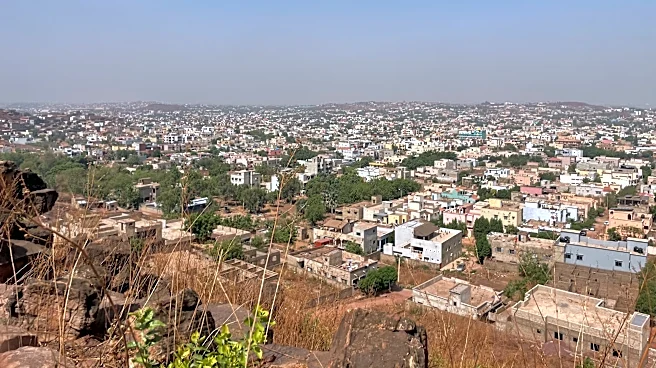
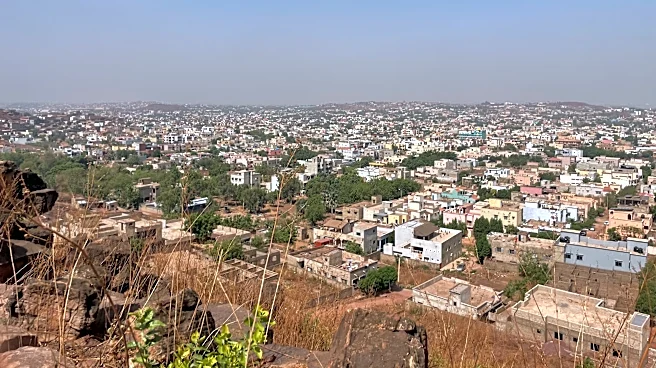
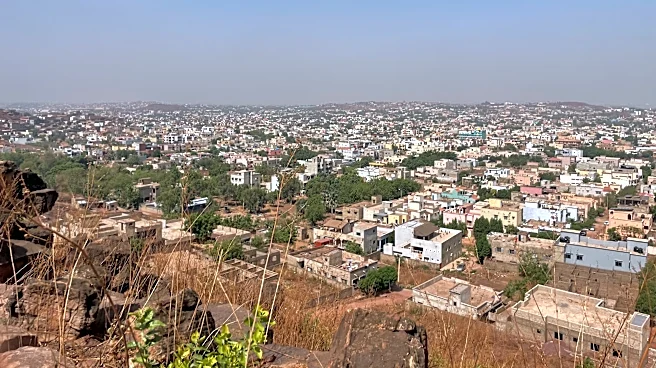
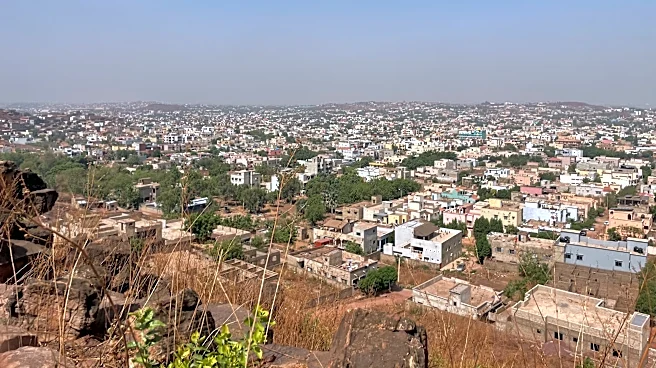
In Mali, West Africa, armed groups, including Islamist militants, have launched a series of coordinated attacks targeting multiple cities, marking one of the largest offensives in recent years. The attacks have affected the capital, Bamako, and other
locations such as Sevare, Kidal, and Gao, with reports of heavy gunfire and explosions near government buildings and military installations. The U.S. Embassy in Mali has advised American citizens to shelter in place. The Malian government, supported by Russian-backed mercenaries from the Africa Corps, claims to be repelling the attackers. The attacks are reportedly carried out by militants linked to Jama'at Nusrat al-Islam wal-Muslimin (JNIM) and Tuareg rebels from the Azawad Liberation Front (FLA).
Why It's Important?
The escalation of violence in Mali underscores the ongoing instability in the Sahel region, which remains a global epicenter of terrorist activity. The attacks highlight the challenges faced by the Malian military junta, which has distanced itself from Western partners and expelled the UN peacekeeping mission. The reliance on Russian-backed mercenaries raises concerns about human rights abuses and the effectiveness of security measures. The situation poses significant risks to regional security, potentially affecting neighboring countries like Niger and Burkina Faso, and complicating international efforts to stabilize the region.
What's Next?
The Malian government is likely to continue its military operations to regain control of affected areas. The international community may increase diplomatic pressure on Mali to address human rights concerns and seek a political solution to the conflict. Neighboring countries and regional organizations like ECOWAS may also play a role in mediating the crisis. The involvement of Russian-backed forces could lead to further geopolitical tensions, particularly with Western nations.
Beyond the Headlines
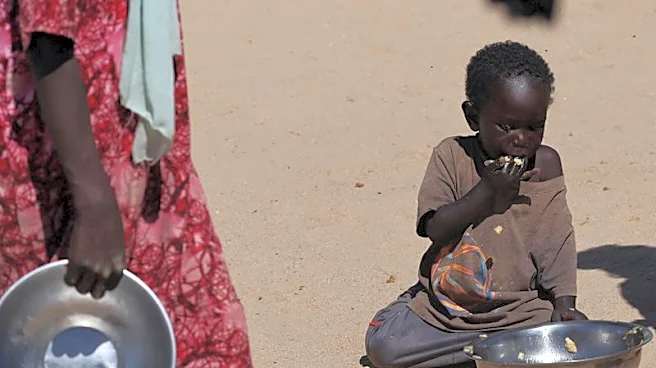
The ongoing conflict in Mali reflects broader geopolitical shifts in the region, with former French colonies increasingly turning to non-Western allies for security support. This realignment could have long-term implications for regional cooperation and the balance of power in West Africa. The humanitarian impact of the conflict, including displacement and disruption of essential services, remains a critical concern.