

What's Happening?
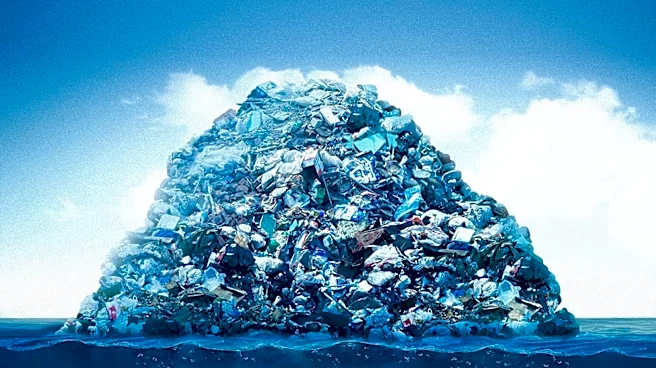
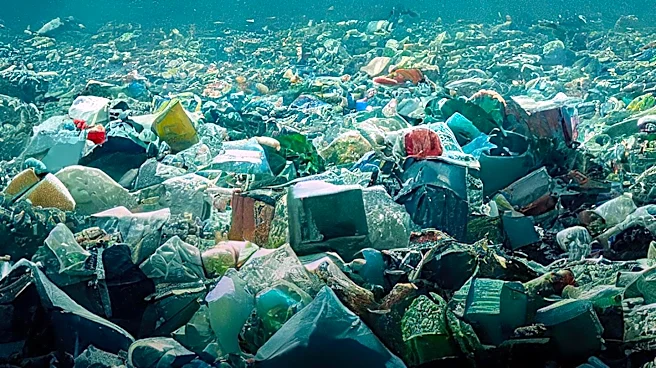
A recent expedition under the NODSSUM project has uncovered over 200,000 barrels of radioactive waste in the Northeast Atlantic. The barrels, dumped during the latter half of the 20th century, were found to be heavily corroded, with some leaking radioactive material
onto the seafloor. The waste includes radionuclides such as cobalt-60 and niobium-94, which are typically produced in nuclear facilities. The barrels have become habitats for marine life, including anemones and crabs. The expedition, led by scientists from Clermont Auvergne University and the École Normale Supérieure, aims to assess the environmental impact and determine the extent of radionuclide leakage.
Why It's Important?
The discovery of radioactive waste barrels in the ocean raises significant environmental concerns, highlighting the long-term impact of past disposal practices. The presence of radionuclides poses potential risks to marine ecosystems and human health, necessitating further investigation and monitoring. This finding underscores the importance of international cooperation in addressing ocean pollution and implementing effective waste management strategies. The research conducted by the NODSSUM project contributes valuable data to the OSPAR Convention, aiding efforts to protect the marine environment of the Northeast Atlantic.