





What's Happening?
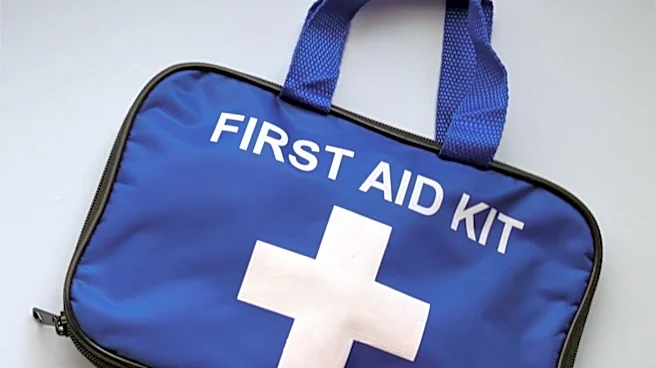
Direct Relief has delivered fifteen emergency midwife kits to South Sudan. These kits are intended to support maternal and newborn health services in communities with limited access to care, particularly in areas affected by ongoing conflict and displacement.
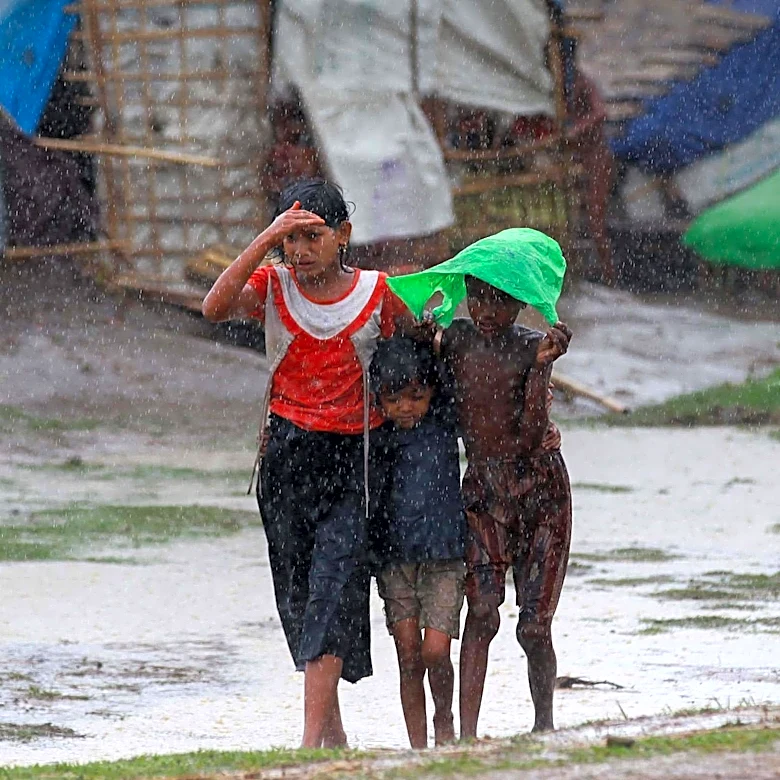
The distribution was facilitated through Transformation of the World in Christ (TWIC) and its partner network, reaching organizations such as the South Sudan Nurses and Midwives Association, Juba Teaching Hospital, Lighthouse Hospital, and Mother Teresa Hospital. South Sudan faces one of the highest maternal mortality rates globally, and many hospitals become inaccessible during the rainy season, making local access to safe childbirth options critical. The kits provide essential, otherwise scarce, supplies.
Why It's Important?
The provision of midwife kits by Direct Relief is crucial for addressing the severe maternal and newborn health crisis in South Sudan. The country's exceptionally high maternal mortality rate is exacerbated by conflict, displacement, and geographical challenges, including inaccessible hospitals during the rainy season. By supplying these kits, Direct Relief and its partners are directly supporting safe childbirth closer to home, which can significantly reduce preventable deaths and complications for mothers and infants. This initiative also strengthens the capacity of local healthcare providers, such as the South Sudan Nurses and Midwives Association, who operate with limited resources to improve maternity care nationwide. The effort underscores the vital role of humanitarian aid in mitigating health crises in vulnerable regions.
What's Next?
The immediate next step involves the continued distribution and utilization of the midwife kits across South Sudan, particularly in areas serving internally displaced people and refugees. The South Sudan Nurses and Midwives Association, with its 19 chapters, will play a key role in integrating these supplies into their strategy for improving maternal and infant care. Ongoing monitoring of the impact of these kits on maternal and newborn health outcomes will be essential. Furthermore, sustained support from organizations like Direct Relief will be necessary to address the systemic challenges in South Sudan's healthcare infrastructure, especially given the persistent issues of conflict, displacement, and limited access to medical facilities during adverse weather conditions.
Beyond the Headlines
The delivery of midwife kits to South Sudan highlights the profound ethical and humanitarian imperative to support vulnerable populations facing severe health disparities. Beyond the immediate medical relief, this initiative touches upon the broader issues of healthcare access as a human right, particularly for women and children in conflict-affected zones. The challenges in South Sudan—high maternal mortality, conflict, and displacement—are interconnected, creating a complex humanitarian crisis. This effort also underscores the importance of international partnerships and local empowerment in building resilient healthcare systems. The long-term implications include fostering greater community health, reducing the burden on overstretched medical facilities, and potentially contributing to social stability by addressing fundamental needs in a region grappling with ongoing instability.