




What's Happening?
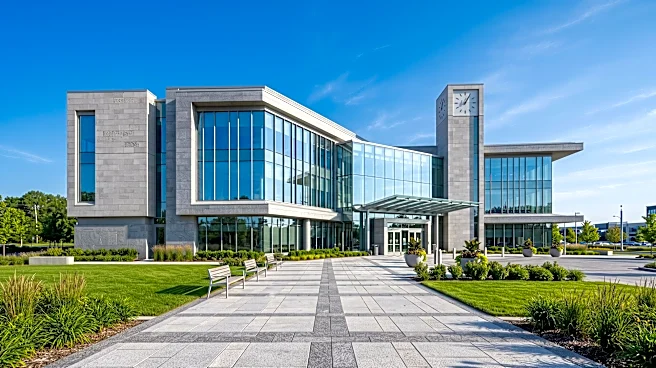
The town of St. Stephen, South Carolina, has opened a new town hall facility that incorporates a magistrate court and a new library. This investment is part of a broader effort to revitalize the downtown area, which currently features many empty and decaying
buildings. Mayor John Rivers expressed hope that this new development will encourage further investment and growth, signaling a step forward for the community. The town had previously struggled to afford such an administrative building, but a joint venture made the project possible. Town Councilperson Michelle Stosick emphasized the desire for controlled growth, aiming to preserve the town's rural identity while attracting businesses and jobs. The town has also secured a $500,000 EPA assessment grant to aid in its revitalization efforts.
Why It's Important?
The opening of St. Stephen's new town hall and the associated revitalization efforts are significant for several reasons. It represents a concerted effort by a small U.S. town to combat urban decay and stimulate economic development. The integration of essential services like a magistrate court and a library into a central facility can enhance civic engagement and provide much-needed resources for residents. The challenge of privately owned, decaying buildings highlights a common obstacle in many small towns across the U.S., where property owners may lack the capital or interest to redevelop. The town's pursuit of controlled growth reflects a desire to balance economic progress with community character, a critical consideration for many rural areas facing development pressures. The EPA grant underscores the role of federal funding in supporting local revitalization initiatives.
What's Next?
The immediate next steps for St. Stephen involve leveraging the new town hall to attract further private investment and development into the downtown area. Mayor Rivers and Town Councilperson Stosick hope that the visible commitment to revitalization will encourage property owners and businesses to invest. The town plans to utilize the $500,000 EPA assessment grant to address environmental and structural issues in decaying buildings, which could pave the way for their redevelopment. Efforts will likely focus on providing incentives or support to property owners to encourage them to take pride in revitalizing their buildings. The community also anticipates the creation of more jobs and improved local amenities, contributing to a better quality of life for residents. The success of this initiative could serve as a model for other small towns facing similar challenges.
Beyond the Headlines
The revitalization efforts in St. Stephen touch upon deeper societal and economic implications prevalent in many small U.S. towns. The struggle with decaying, privately owned buildings reflects generational shifts and economic challenges that often leave properties neglected. The desire for 'controlled growth' highlights a tension between economic development and the preservation of local identity and rural charm. This initiative is not just about new buildings; it's about fostering community pride, creating opportunities for younger generations, and ensuring the long-term sustainability of the town. The involvement of local leaders like John Twyman, who is investing in downtown properties, demonstrates the importance of local entrepreneurship and community-led efforts in driving change. The project also underscores the critical role of public-private partnerships and external funding, such as the EPA grant, in supporting local economic recovery and urban renewal.